Studying groundwater to alleviate water security in remote Panamanian villages
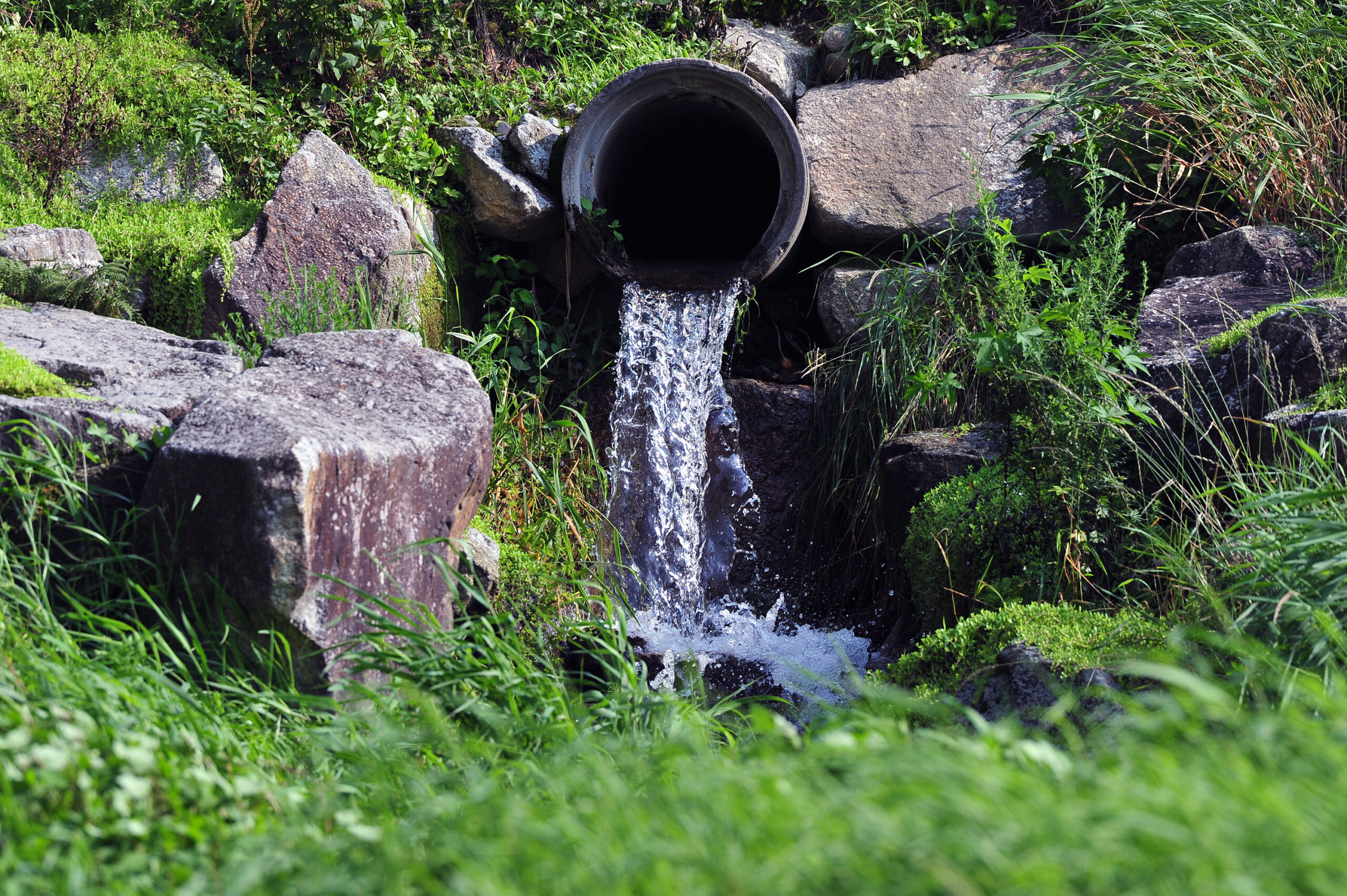
Sourcing your water from a remote mountain spring sounds idyllic, but what do you do when the spring is dry part of the year? Residents of a remote Panamanian village struggled with this issue for years before reaching out to Engineers Without Borders.
In 2016, Washington State University (WSU) graduate Destry Seiler began living in a small indigenous village located in the Comarca Ngäbe-Buglé region of Panama as a Peace Corps volunteer hoping to help solve the community’s water security needs. During the rainy season, the village gets water from a mountain spring approximately 1.5 kilometers away. A two-inch PVC pipe carries water downhill through the jungle to 20 households on a distribution line. The other 80 households do not have access to the distribution line and must walk to the closest river or creek up to five times a day to collect water.
However, during the dry season, most spring sources dry up, leaving all households in the community to walk to a diminished supply of rivers to find their water.
Searching for a solution
After living in the village for nearly two years, Seiler could not locate spring sources that survived the dry season and could also reach the homes in need through a gravity fed system similar to the existing distribution line. The village initially requested assistance from the Peace Corps in order to find a year-round source of clean water.
Expert assistance in data collection
Seiler began thinking of groundwater as a possible new water source for the community. Unfortunately, groundwater data for the Comarca Ngäbe-Buglé was not available from the local government. She reached out to WSU professor Dr. Karl Olsen to ask for assistance with research to develop that source, and the Engineers Without Borders (EWB) Club at WSU was formed.
Building sustainable water infrastructure
Dr. Olsen visited Seiler and the village with the club for the first time in August 2018 to do an initial survey of water use and needs, as well as to create a first-ever map of the area. EWB returned to Panama in June 2019 to implement a solar-powered water pump requested by a section of the community, delivering water from a spring source to 20 homes. The club also installed latrines in a nearby community. Over several years, they continued the groundwater survey of the area through more extensive mapping and performed more advanced analyses with the support of a local hydrologic company.
A continued commitment to water availability
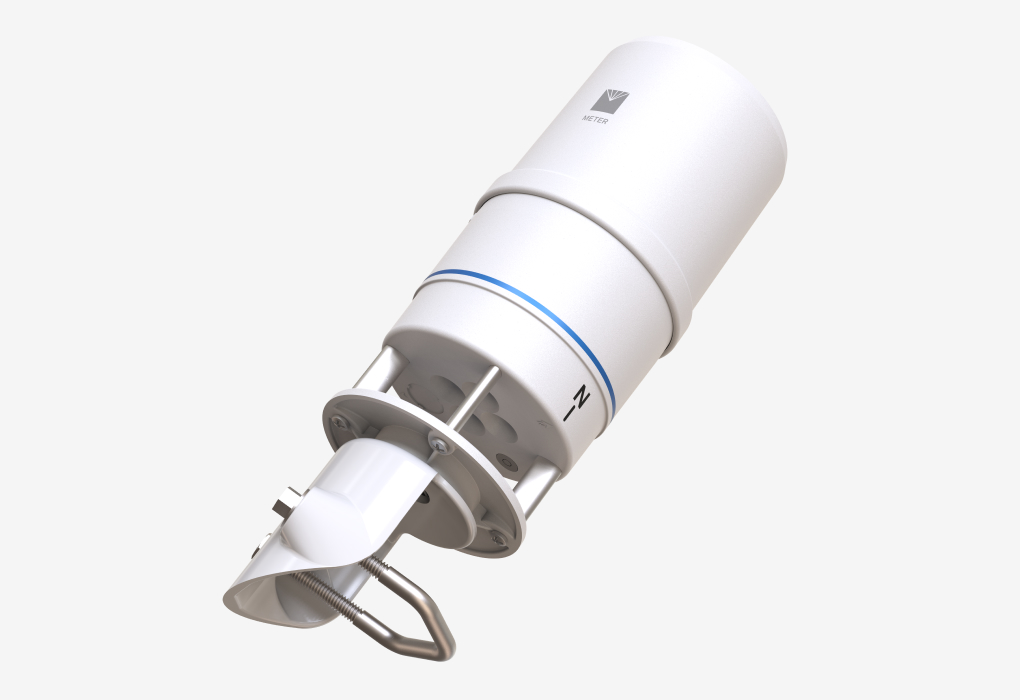
The team installed a METER-donated ATMOS 41 weather station along with a ZL6 data logger at a nearby village school, ensuring weather station security and providing local students access to data about their surrounding environment. ZENTRA Cloud software assisted in the data collection necessary to begin mapping groundwater in the area. The weather station recorded precipitation, solar radiation, vapor pressure, temperature, wind, and relative humidity data that enabled EWB to quantify environmental conditions and available water supply.
When combined with streamflow data from rivers in the area, they could estimate groundwater. The EWB students and faculty can view this information in near-real time and share it with the village using ZENTRA Cloud to help guide their design decisions.
Learn more
To read more about the WSU Engineers Without Borders club, visit the WSU Voiland College of Engineering and Architecture website.