TEROS 31
Lab Tensiometer
local base price
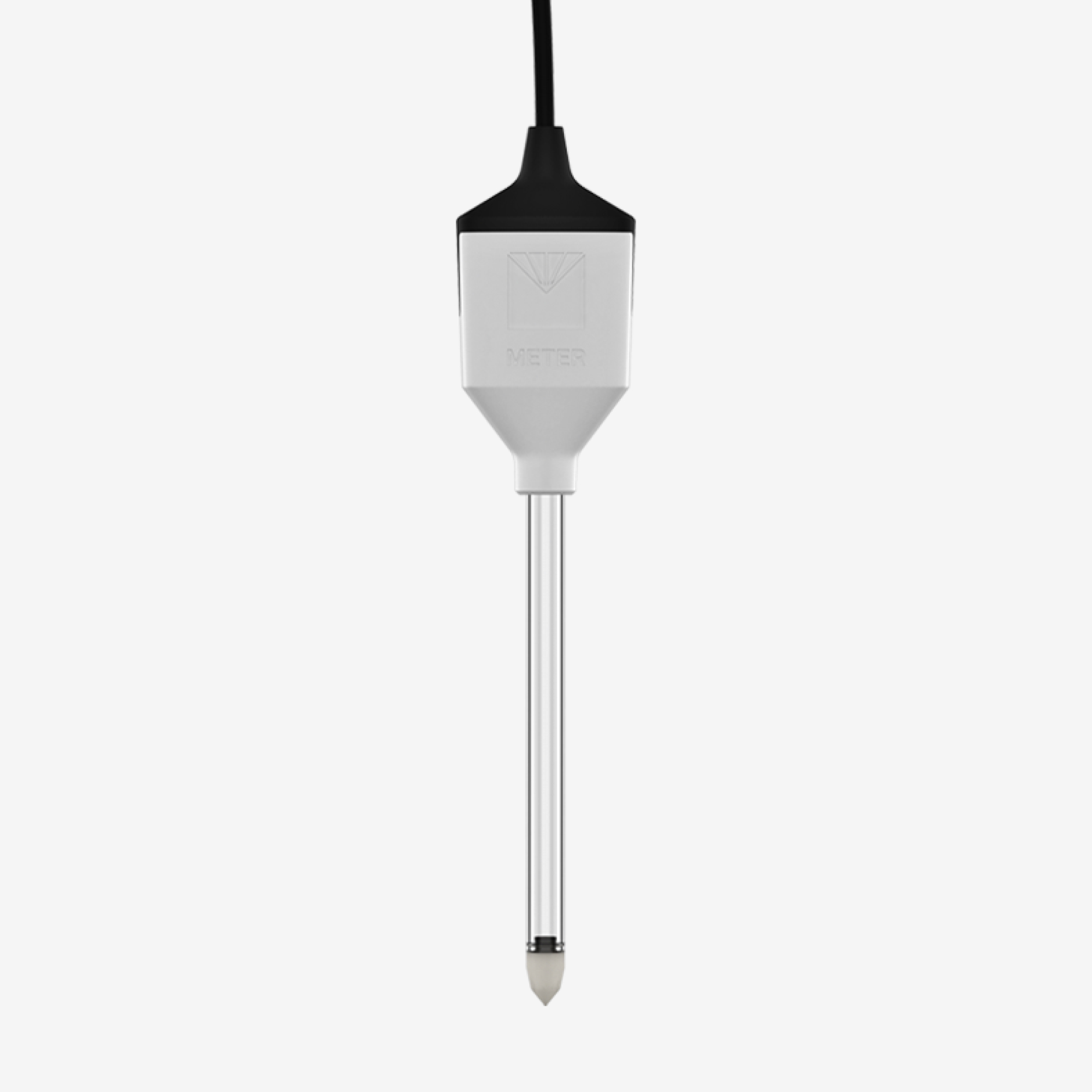
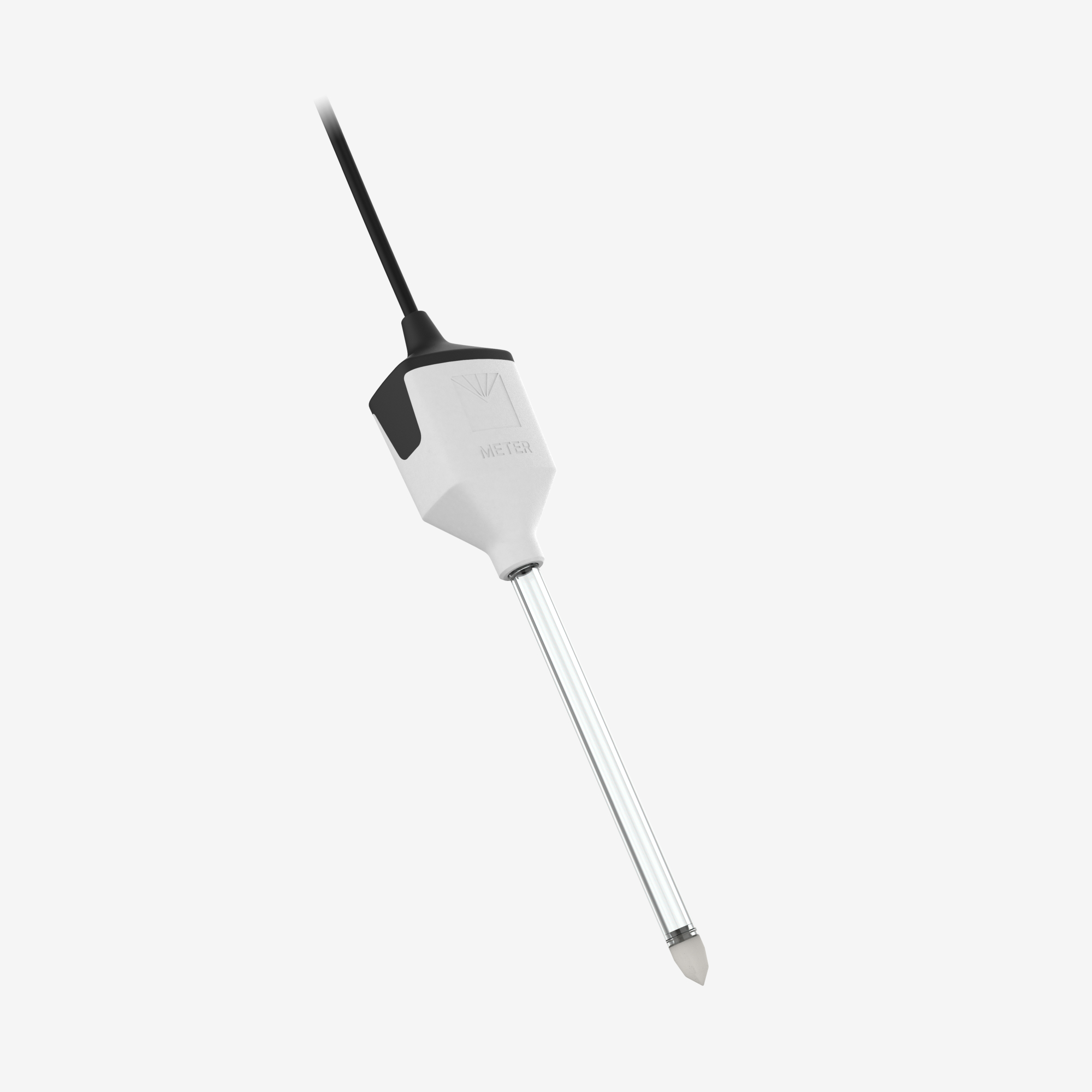
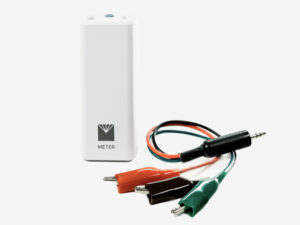
Nobody in the world makes a tensiometer this small, this simple, or this precise. Trust the TEROS 31 for fast, accurate point to point water potential in all your tightest spaces.
- Soil water potential for the lab
- Small and fast with extended range
- Accurate zero-tension reading
-
Overview / Features
-
Tiny tensiometer tackles big problems
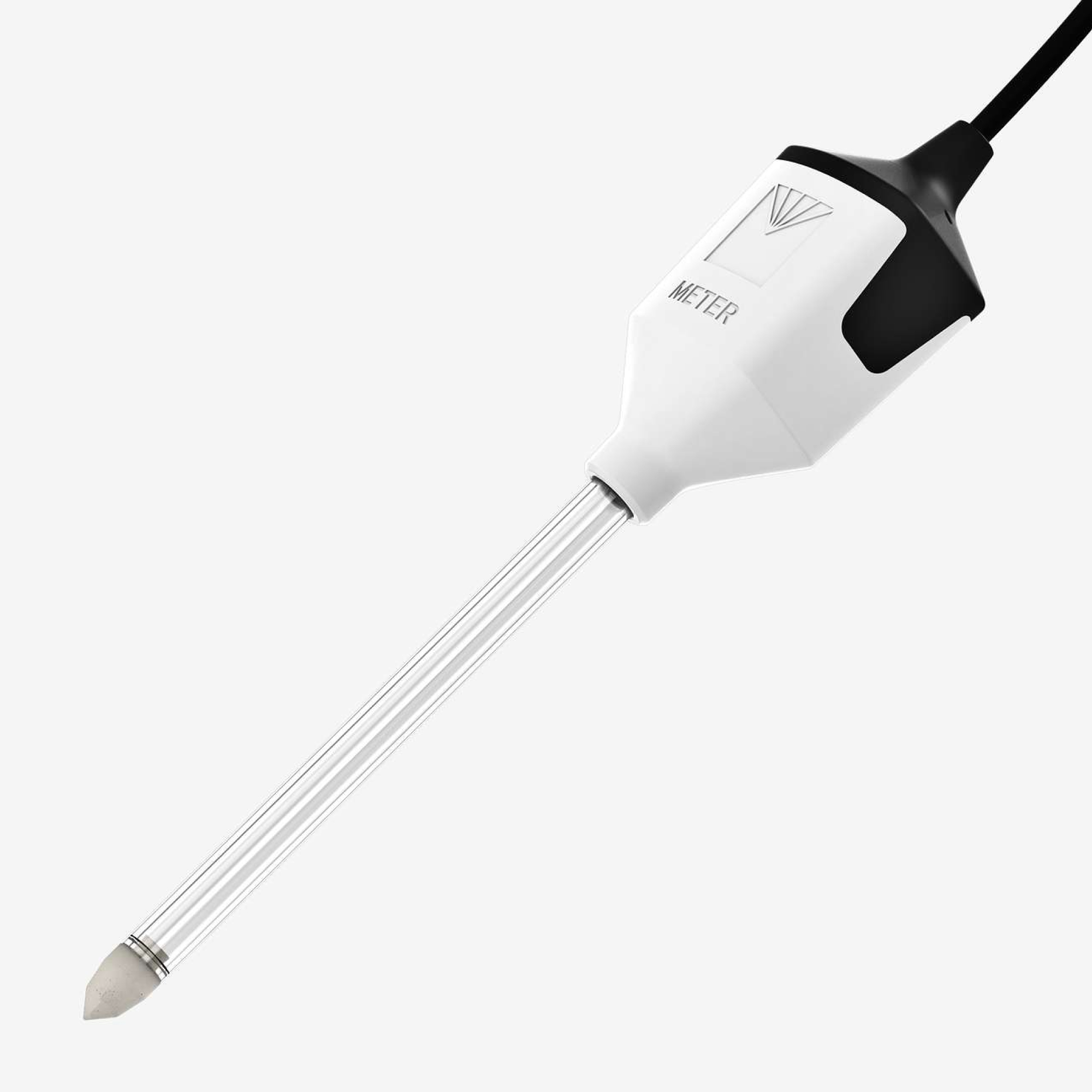
If you need spot measurements of water potential in soil columns, soil cores, or sampling rings, there aren’t a lot of options. Until now. With the TEROS 31, we put over 30 years of expertise to work in the smallest space possible: a ceramic tip with a surface area of only 0.5 cm2.
Lab tensiometer with unmatched strength and speed
TEROS 31 is the only tensiometer in the world small enough and precise enough to perform excellent water potential spot measurements in even the tightest spaces. And now it’s even more robust than ever. We’ve incorporated a more ruggedized, highly precise pressure transducer, giving you higher data resolution in an almost unbreakable form. And the TEROS 31 tensiometer has a blazing-fast response time of only 5 seconds for a pressure change of 0 to –85 kPa. It reacts much faster to changing soil conditions because of its small water volume, enabling you to measure even the most minute changes in water potential—something lower-quality tensiometers cannot do. It measures matric potential within the gravitational range where most water movement occurs and into the capillary range, helping you understand whether water will move and where it will go.
Tensiometer measurement range—extended
Most tensiometers have a measuring range of at least 100 to –85 kPa. But the TEROS 31 increases the matric potential measuring range to –400 kPa. How is this possible? Normally, when a tensiometer reaches –85 kPa, the water boils, forming an air bubble. The air bubble expands and contracts with changes in pressure, making the tensiometer unable to measure suction. But the TEROS 31 retards the boiling point, extending the measurement range well beyond normal limits.
Small tensiometer—huge benefits
For more than a quarter century, METER has been the leading expert in the development of tensiometers with over 10,000 sold. Nobody in the world makes an instrument this small, this simple, or this precise. Trust the TEROS 31 lab tensiometer for fast, accurate spot measurements in all your tightest spaces.
Double your data power
The TEROS 31 combines METER world-renowned precision technology with the power of ZENTRA Cloud, giving you easier, faster water potential data in near-real time. And compatibility with the ZL6 data logger means precision is now plug-and-play, making setup a breeze. The TEROS 31 minor footprint allows major advantages over larger tensiometers, such as very little soil disturbance and incredibly fast response time. And, because of its small size, it’s one of the only tensiometers in the world that can extend its measuring range.
Setup in seconds
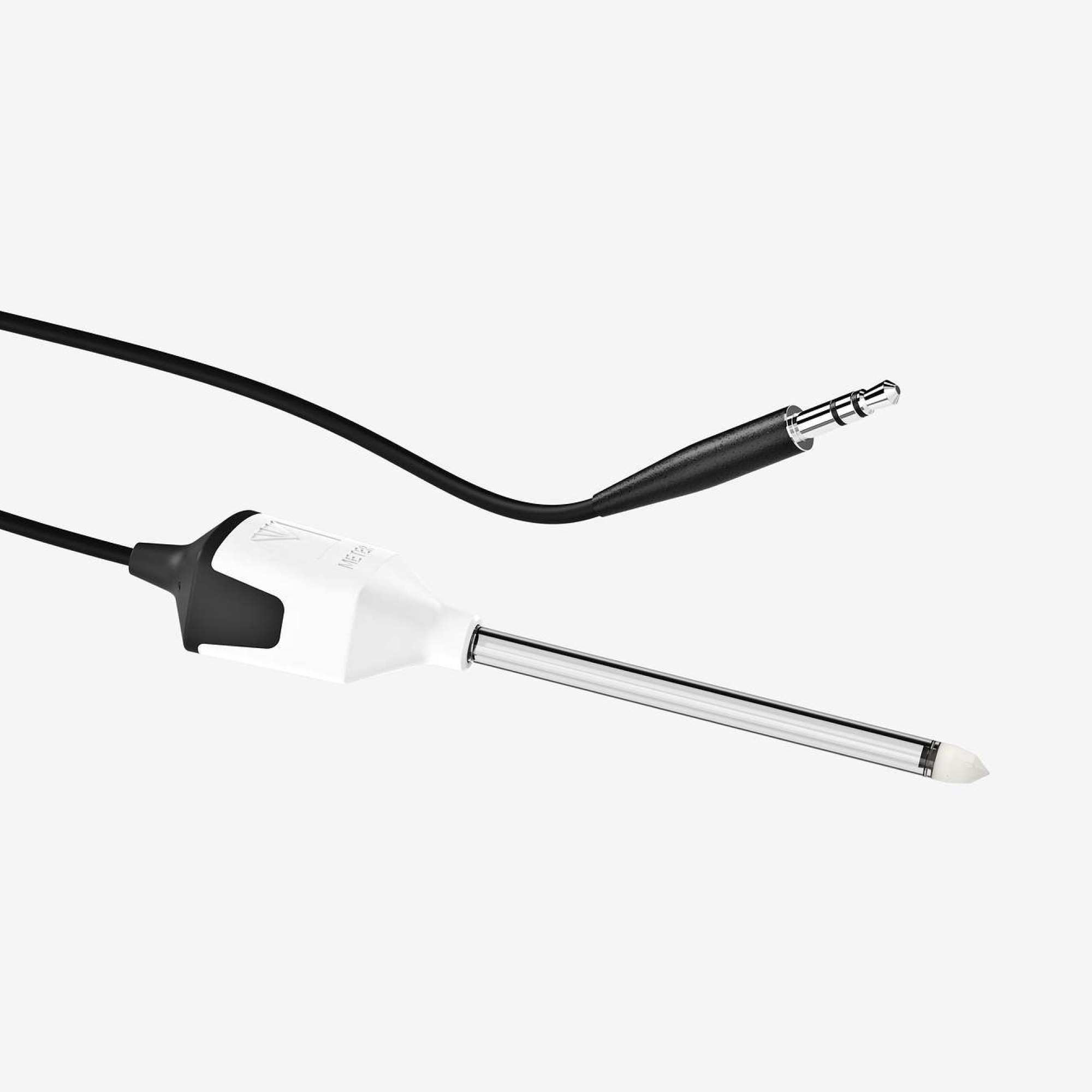
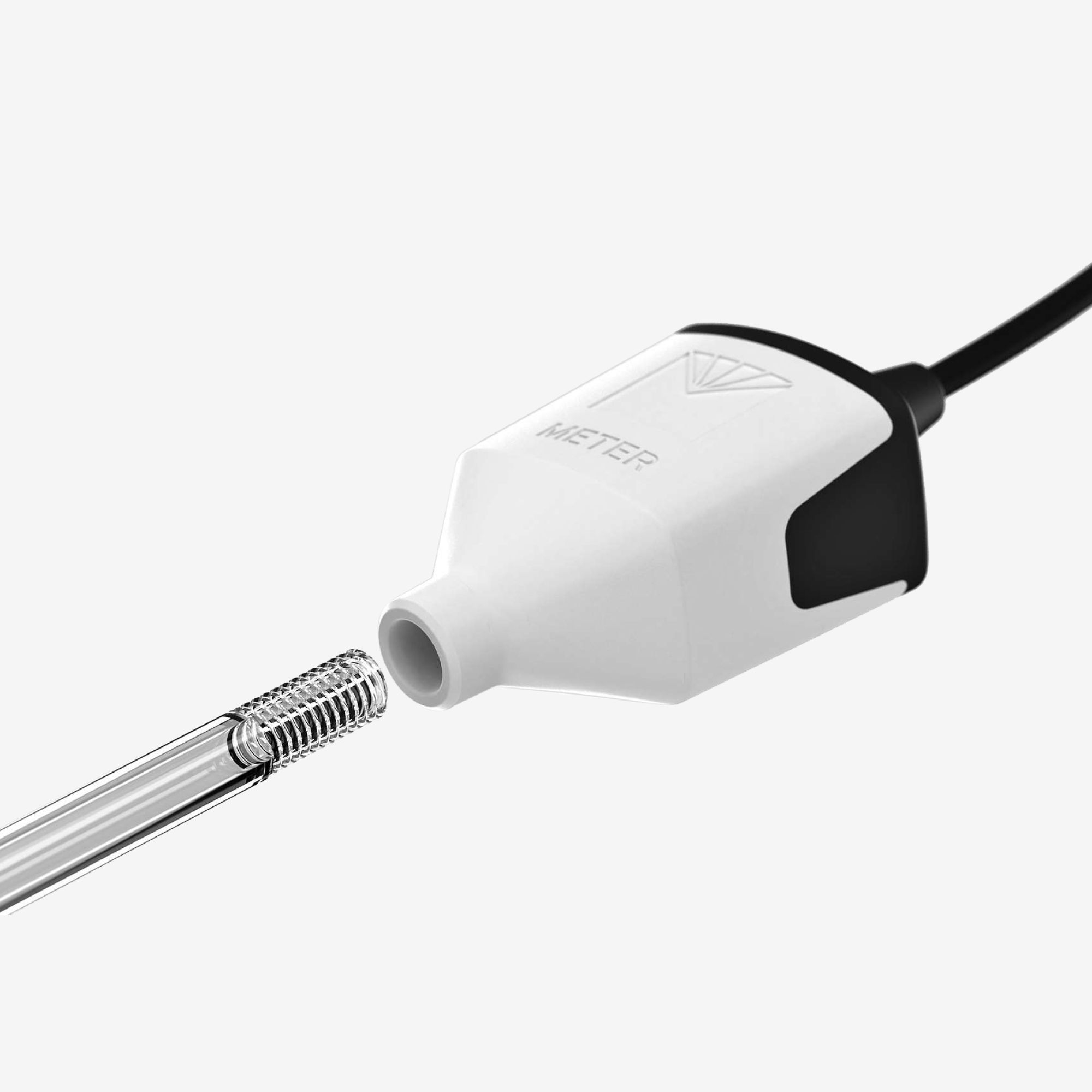
Now you can spend far less time on complex setup. Just insert the TEROS 31 stereo plug into the ZL6 data logger, and start seeing numbers. ZENTRA Cloud makes it possible to see near-real-time data wherever you are. TEROS 31 can be installed in any position and orientation with a miniature auger (not included) to ensure as little soil disturbance as possible. For spot measurements, just auger a 5-mm hole and insert the tensiometer. It’s that simple. To save you even more time and effort, bubbles are detectable through the transparent shaft, making it easy to see when it’s time to refill.
-
Feature summary
- Laboratory tensiometer
- Easy data visualization in real time: plug and play with ZL6 logger and ZENTRA Cloud
- Small and fast
- Little soil disturbance
- Extended range
- Install tensiometer in any position or orientation
- Bubbles easily detectable through the transparent shaft
- Output signals are balanced
- Accurate zero-tension reading
-
Specifications
-
TECHNICAL SPECIFICATIONS
Measurement Specifications
Water PotentialRange: –85 to +50 kPa (up to –400 kPa during boiling retardation)Resolution: ±0.0012 kPaAccuracy: ±0.15 kPaTemperatureRange: –30 to +60 °CResolution: ±0.01 °CAccuracy: ±0.3 °C between 5 °C to 35 °C (±1.5 °C outside that range)NOTE: If the sensor unit is not buried, measured temperature may diverge from soil temperature.Communication Specifications
OutputDDI serial
SDI-12 communication protocol
TensioLINKTM communication protocol
ModbusTM RTU communication protocolData Logger CompatibilityMETER ZL6 and EM60 data loggers or any data acquisition system capable of 3.6- to 28.0-VDC excitation and SDI-12, Modbus RTU, or TensioLINK communication.Physical Specifications
DimensionsWidth: 23.5 mm (0.93 in)Height: 49.0 mm (1.93 in)Depth: 17.5 mm (0.69 in)Tensiometer Shaft Diameter5 mm (0.19 in)Tensiometer Shaft Length2, 5, 7, 10, 15, or 20 cmMaterialsCeramic: Al2O3, bubble point 500 kPaShaft: PMMASensor Unit: PMMA and TPEIP Rating: IP67Operating Temperature RangeMinimum: 0.00 °CMaximum: 50.00 °CCable Length1.5 mCable Diameter3.0 mm (0.12 in)Connector Types4-pin stereo plug connectorStereo Plug Connector Diameter3.5 mmConductor Gauge31 AWG drain wireElectrical and Timing Characteristics
Supply Voltage (VCC to GND)Minimum: 3.6 VDCTypical: 12.0 VDCMaximum: 28.0 VDCDigital Input Voltage (Logic High)Minimum: 1.6 VTypical: 3.3 VMaximum: 5.0 VDigital Input Voltage (Logic Low)Minimum: -0.3 VTypical: 0.0 VMaximum: 0.9 VDigital Output Voltage (Logic High)Typical: 3.6 VPower Line Slew RateMinimum: 1.0 V/msCurrent Drain (During Measurement)Minimum: 18.0 mATypical: 25.0 mAMaximum: 30.0 mACurrent Drain (While Asleep)Minimum: 0.03 mATypical: 0.05 mAMaximum: 0.90 mAPower Up Time (DDI Serial)Minimum: 125 msTypical: 130 msMaximum: 150 msPower Up Time (SDI-12)Minimum: 125 msTypical: 130 msMaximum: 150 msPower Up Time (SDI-12, DDI Serial Disabled)Minimum: 125 msTypical: 130 msMaximum: 150 msMeasurement DurationMinimum: 60 msTypical: 65 msMaximum: 70 msOther
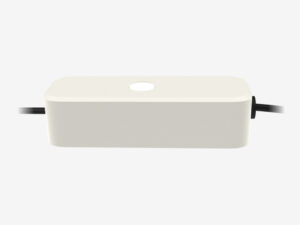
BARO ModuleWhen using the METER tensiometers TEROS 31 and TEROS 32 in combination with a non-METER data logger, a highly accurate barometric compensation is needed to get the most precise soil water potential measurement. The BARO Module can be used as a stand-alone sensor for measuring atmospheric pressure at a measuring site. It is also available with different connectors, so the BARO Module can be connected directly in between a tensiometer and a data logger. BARO Module can also act as a digital/analog converter to connect a tensiometer with serial output to a data logger with analog input channels. The logger obtains a barometric compensated analog matric potential signal. The BARO Module can be used for varied logger communications: SDI-12, Modbus, tensioLINK, analog voltage signal.ComplianceEM ISO/IEC 17050:2010 (CE Mark)GSA
-
Support / FAQ
-
TEROS 31 FAQs
- With a tensiometer, can we measure the potential difference between two points in millimeter precision?
- Millimeter scale is tough. Centimeter scale, I would say yes. Check out the TEROS 31 Tensiometer. The diameter of the shaft is 5 mm, and the water potential measurement with the TEROS 31 is extremely precise. You should be able to quantify a water potential gradient across about 1-2 cm with a pair of these. But to answer your question, I don’t know of any instrument small enough for mm scale measurement. There was a group working on a MEMs tensiometer that could maybe do that, but I don’t think it is on the market presently.
- How does a tensiometer deal with partially saturated soils?
- A tensiometer is able to measure positive pressures along with the water potential measurements. If you use the right tensiometer, you can actually have a very good measurement near saturation.
- How can you measure kPa or MPa? And what tools can you use for container production?
- kPa and MPa are really just a preference. You convert between the two by moving the decimal point. In containers, you can use tensiometers which are highly accurate in the wet range but not in the dry range. Matric potential sensors such as the TEROS 21 also work well. They aren’t as accurate as a tensiometer in the wet end, but they give you a better range and require less maintenance.
-
Resources / Publications
-
Resource links
- The researcher’s complete guide to water potential
- Manuals and software
- Video: Intensive vs. extensive variables
- Webinar: Water potential 101: Making use of an important tool
- Webinar: Soil moisture 202: Choose the right water potential instrument
- Soil moisture release curves: why you need them. How to use them.
- Lab vs. field instrument: Why you should use both
-
Selected Publications
These historical publications are for the T5 because in 2021, the T5 tensiometer changed its name to TEROS 31 and is now integrated with METER data loggers and ZENTRA Cloud.
2016
- Chetia, M.; Sekharan, S. (2016): Evaluation of Different Laboratory Procedures for Determining Suction–Water Content Relationship of Cohesionless Geomaterials. J. Mater. Civ. Eng. (Journal of Materials in Civil Engineering) 28 (2): 04015123.
- Bruthans, J.; Filippi, M.; Schweigstillová, J.; Řihošek, J. (2016): Quantitative study of a rapidly weathering overhang developed in an artificially wetted sandstone cliff. Earth Surf. Process. Landforms (Earth Surface Processes and Landforms).
- Moreira, W. H.; Tormena, C. A.; Karlen, D. L.; Silva, Á. P. da; Keller, T.; Betioli, E. J. (2016): Seasonal changes in soil physical properties under long-term no-tillage. Soil and Tillage Research 160: 53–64.
- Daliri, F.; Simms, P.; Sivathayalan, S. (2016): Shear and dewatering behaviour of densified gold tailings in a laboratory simulation of multi-layer deposition. Can. Geotech. J. (Canadian Geotechnical Journal) 53 (8): 1246–1257. (Article link)
- Chen, Z.; Wei, C.; Sun, D.; Xu, X. (2016): Unsaturated soil mechanics– from theory to practice – Proceedings of the 6th Asia Pacific Conference on Unsaturated Soils, Guilin, China, 23-26 October 2015. CRC Press/Balkema. Leiden, The Netherlands. (Article link)
2015
- Rühle, F. A.; Zentner, N.; Stumpp, C. (2015): Changes in water table level influence solute transport in uniform porous media. Hydrol. Process. (Hydrological Processes) 29 (6): 875–888.
- Ritter, W.; Lehmeier, C. A.; Winkler, J. B.; Matyssek, R.; Edgar Grams, T. E. (2015): Contrasting carbon allocation responses of juvenile European beech (Fagus sylvatica) and Norway spruce (Picea abies) to competition and ozone. Environmental pollution (Barking, Essex : 1987) 196: 534–543.
- Malaya, C.; Sreedeep, S. (2015): Effect of Fertilizers and Fly Ash Addition on Suction–Water Content Relationship of a Sandy Soil. Indian Geotech J (Indian Geotechnical Journal).
- Gangi, L.; Tappe, W.; Vereecken, H.; Brüggemann, N. (2015): Effect of short-term variations of environmental conditions on atmospheric CO18O isoforcing of different plant species. Agricultural and Forest Meteorology 201: 128–140. (Article link)
- Yildiz, A. (2015): Effects of roots and mycorrhizal fungi on the stability of slopes – In: Winter, Smith et al. (Hg.) 2015 – Geotechnical engineering for infrastructure: 1693–1698. (Article link)
- Winter, M. G.; Smith, D. M.; Eldred, P. J. L.; Toll, D. G. (2015): Geotechnical engineering for infrastructure and development – Proceedings of the XVI European Conference on Soil Mechanics and Geotechnical Engineering = Géotechnique pour les infrastructures et le développement couvre. (Article link)
- Yilmaz, D.; Dal, M. (2015): Hydraulic Properties Estimation of an Experimental Urban Soil Column Constructed with Waste Brick and Compost. International Journal of Pure and Applied Sciences 1 (1).
- Jazayeri Shoushtari, S. M. H.; Nielsen, P.; Cartwright, N.; Perrochet, P. (2015): Periodic seepage face formation and water pressure distribution along a vertical boundary of an aquifer. Journal of Hydrology 523: 24–33. (Article link)
- Fidalski, J. (2015): Qualidade física de Latossolo Vermelho em sistema de integração lavoura‑pecuária após cultivo de soja e pastejo em braquiária. Pesquisa Agropecuária Brasileira 50 (11): 1097–1104.
- Alem, P.; Thomas, P. A.; van Iersel, M. W. (2015): Use of Controlled Water Deficit to Regulate Poinsettia Stem Elongation. HortScience (HortScience) 50 (2): 234–239.
2014
- Zang, U.; Goisser, M.; Häberle, K.-H.; Matyssek, R.; Matzner, E.; Borken, W. (2014): Effects of drought stress on photosynthesis, rhizosphere respiration, and fine‐root characteristics of beech saplings: A rhizotron field study. Journal of Plant Nutrition and Soil Science 177 (2): 168–177. (Article link)
- Gartler, J.; Wimmer, B.; Soja, G.; Reichenauer, T. G. (2014): Effects of rapeseed oil on the rhizodegradation of polyaromatic hydrocarbons in contaminated soil. International journal of phytoremediation 16 (7-12): 671–683.
- Ngo, V. V.; Gerke, H. H.; Badorreck, A. (2014): Estimability Analysis for Optimization of Hysteretic Soil Hydraulic Parameters Using Data of a Field Irrigation Experiment. Transp Porous Med (Transport in Porous Media) 103 (3): 535–562.
- Zang, U.; Goisser, M.; Grams, T. E. E.; Häberle, K.-H.; Matyssek, R.; Matzner, E.; Borken, W. (2014): Fate of recently fixed carbon in European beech (Fagus sylvatica) saplings during drought and subsequent recovery. Tree Physiol (Tree Physiology) 34 (1): 29–38. (Article link)
- Cartwright, N. (2014): Moisture-pressure dynamics above an oscillating water table. Journal of Hydrology 512: 442–446.
- Metzger, J. C.; Landschreiber, L.; Gröngröft, A.; Eschenbach, A. (2014): Soil evaporation under different types of land use in southern African savanna ecosystems. Journal of Plant Nutrition and Soil Science 177 (3): 468–475. (Article link)
- Hoskins, T. C.; Owen, J. S.; Niemiera, A. X. (2014): Water Movement through a Pine-bark Substrate during Irrigation. HortScience (HortScience) 49 (11): 1432–1436.
2013
- Mizani, S.; He, X.; Simms, P. (2013): Application of lubrication theory to modeling stack geometry of high density mine tailings. Journal of Non-Newtonian Fluid Mechanics 198: 59–70.
- Rühle, F. A.; Klier, C.; Stumpp, C. (2013): Changes in Water Flow and Solute Transport Pathways During Long-Term Column Experiments. Vadose Zone Journal 12 (3).
- Diamantopoulos, E.; Durner, W.; Reszkowska, A.; Bachmann, J. (2013): Effect of soil water repellency on soil hydraulic properties estimated under dynamic conditions. Journal of Hydrology 486: 175–186.
- Huo, L.; Qian, T.; Hao, J.; Liu, H.; Zhao, D. (2013): Effect of water content on strontium retardation factor and distribution coefficient in Chinese loess. J. Radiol. Prot. (Journal of Radiological Protection) 33 (4): 791. (Article link)
- Assouline, S.; Tyler, S. W.; Selker, J. S.; Lunati, I.; Higgins, C. W.; Parlange, M. B. (2013): Evaporation from a shallow water table – Diurnal dynamics of water and heat at the surface of drying sand. Water Resour. Res. (Water Resources Research) 49 (7): 4022–4034.
- Goisser, M.; Zang, U.; Matzner, E.; Borken, W.; Häberle, K.-H.; Matyssek, R. (2013): Growth of juvenile beech (Fagus sylvatica L.) upon transplant into a wind-opened spruce stand of heterogeneous light and water conditions. Forest Ecology and Management 310: 110–119.
- Phi, S.; Clarke, W.; Li, L. (2013): Laboratory and numerical investigations of hillslope soil saturation development and runoff generation over rainfall events. Journal of Hydrology 493: 1–15. (Article link)
- Whalley, W. R.; Ober, E. S.; Jenkins, M. (2013): Measurement of the matric potential of soil water in the rhizosphere. J. Exp. Bot. (Journal of Experimental Botany) 64 (13): 3951–3963. (Article link)
- Diamantopoulos, E.; Durner, W. (2013): Physically-based model of soil hydraulic properties accounting for variable contact angle and its effect on hysteresis. Advances in Water Resources 59: 169–180.
- Rosenkranz, H.; Durner, W.; He, W.; Knoblauch, C.; Meurer, K. H. E. (2013): Ringversuch zum Praxisvergleich von 13 Sensor-Typen zur Wassergehalts- und WAsserspannungsbestimmung in Böden. (Article link)
- Blanco, A.; Lloret, A.; Carrera, J.; Olivella, S. (2013): Thermo-hydraulic behaviour of the vadose zone in sulphide tailings at Iberian Pyrite Belt – Waste characterization, monitoring and modelling. Engineering Geology 165: 154–170.
- Dohnal, M.; Jelinkova, V.; Snehota, M.; Dusek, J.; Brezina, J. (2013): Tree-Dimensional Numerical Analysis of Water Flow Affected by Entrapped Air: Application of Noninvasive Imaging Techniques. Vadose Zone Journal 12 (1). (Article link)
2012
- Lu, Z.; Wilson, G. V. (2012): Acoustic Measurements of Soil Pipeflow and Internal Erosion. Soil Science Society of America Journal 76 (3): 853–866. (Article link)
- Campbell, C. S.; Cobos, D. R.; Rivera, L. D.; Dunne, K. M.; Campbell, G. S. (2012): Constructing Fast, Accurate Soil Water Characteristic Curves by Combining the Wind/Schindler and Vapor Pressure Techniques – In: Mancuso, Jommi et al. (Hg.) 2012 – Unsaturated soils: 55–62.
- Malaya, C.; Sreedeep, S. (2012): Critical Evaluation of the Drying Water Retention Characteristics of a Class F Indian Fly Ash. J. Mater. Civ. Eng. (Journal of Materials in Civil Engineering) 24 (4): 451–459.
- McLaughlin, D. L.; Brown, M. T.; Cohen, M. J. (2012): The Ecohydrology of a pioneer wetland species and a drastically altered landscape. Ecohydrology 5 (5): 656–667. (Article link)
2011
- Mann, K. K.; Schumann, A. W.; Obreza, T. A.; Sartain, J. B.; Harris, W. G.; Shukla, S. (2011): Analyzing the efficiency of soil amendments and irrigation for plant production on heterogeneous sandy soils under greenhouse conditions. Z. Pflanzenernähr. Bodenk. (Journal of Plant Nutrition and Soil Science) 174 (6): 925–932.
- Pickert, G.; Weitbrecht, V.; Bieberstein, A. (2011): Breaching of overtopped river embankments controlled by apparent cohesion. Journal of Hydraulic Research 49 (2): 143–156.
- Jelinkova, V.; Snehota, M.; Pohlmeier, A.; van Dusschoten, D.; Cislerova, M. (2011): Effects of entrapped residual air bubbles on tracer transport in heterogeneous soil: Magnetic resonance imaging study. Applications and developments of magnetic resonance techniques in Geosciences 42 (8): 991–998. (Article link)
- Bunn, M. I.; Rudolph, D. L.; Endres, A. L.; Jones, J. P. (2011): Field observation of the response to pumping and recovery in the water table region of an unconfined aquifer. Journal of Hydrology 403 (3–4): 307–320. (Article link)
- Deka, A. (2011): EVLUATION OF ESTIMATED SUCTION-WATER CONTENT RELATIONSHIP FOR A LOCALLY AVAILABLE SOIL – In: IGC 2011 2011. (Article link)
- Malaya, C.; Sreedeep, S. (2010): A Study on the Influence of Unit Weight on Tensiometric Measurement – In: Palmer (Hg.) May 16-20, 2010 – World Environmental and Water Resources: 1156–1161. (Article link)
- Mann, K. K.; Schumann, A. W.; Obreza, T. A.; Harris, W. G.; Shukla, S. (2010): Spatial Variability of Soil Physical Properties Affecting Florida Citrus Production 175 (10): 487–499. (Article link)
- Palmer, R. N. (2010): World Environmental and Water Resources Congress 2010 – Challenges of change ; [proceedings of the world environmental and water resources congress 2010, May 16-20, 2010, Providence, Rhode Island].
- Palmer, R. N. (2010): World Environmental and Water Resources Congress 2010 – Challenges of change ; [proceedings of the world environmental and water resources congress 2010, May 16-20, 2010, Providence, Rhode Island].
- Schindler, U.; Durner, W.; Unold, G. von; Mueller, L.; Wieland, R. (2010): The evaporation method: Extending the measurement range of soil hydraulic properties using the air‐entry pressure of the ceramic cup. Journal of Plant Nutrition and Soil Science 173 (4): 563–572. (Article link)
-
Accessories




Request a quote
Fill out the form below to help us pair you with the right expert. We’ll prepare the information you request, then contact you as soon as possible.