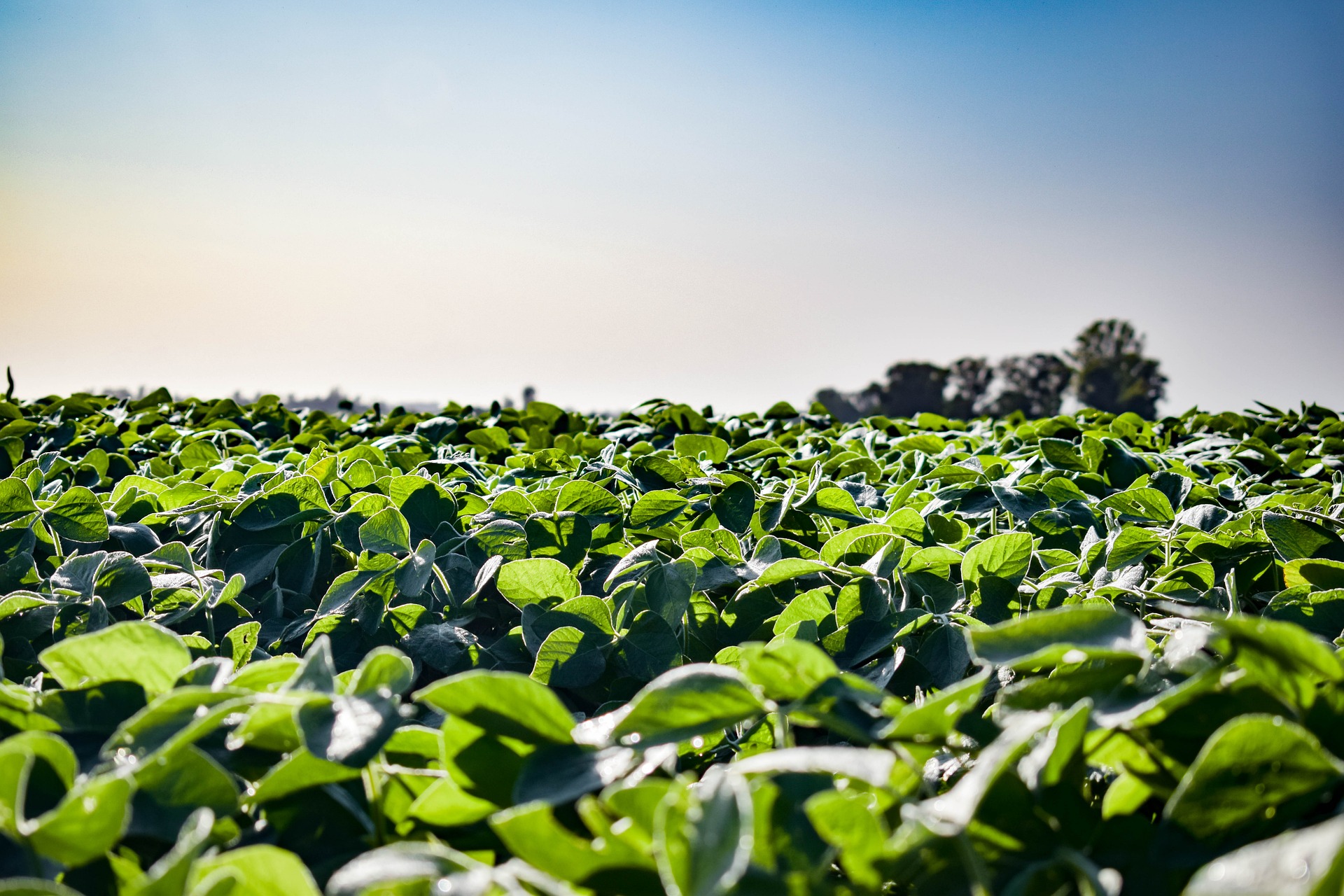
In addition to METER soil moisture sensors, the team used METER microclimate weather stations to help monitor water inputs at their two field research sites and determine ideal time periods for phenotyping drought-related traits. Steketee says, “We put microenvironment monitors in the field next to where we were growing our experimental materials. Both locations use those monitors to keep an eye on weather conditions throughout the growing season, measuring temperature, humidity, and precipitation. Since we could access the data remotely, we used that information to help us determine when it was time to go out to the field and look at the plots. We wanted to see big differences between soybean plants if possible, especially in drought conditions. By monitoring the conditions we could just go back to our weather data to show we didn’t get rain for three weeks before we took this measurement, proving that we were actually experiencing drought conditions.”
RESULTS SO FAR
Though 2015 wasn’t a great year for drought in Georgia, Clinton says there was a period in late July when he was able to measure canopy wilting, and they identified some lines that performed well. He says, “We compared our data to the data collected by our collaborator in Kansas, and there are a few lines that did well in both locations. Hopefully, another year of data will confirm that these plants have advantageous drought tolerance traits, and we’ll be able to probe the advantageous traits out of those lines and integrate them into our breeding program.”
FUTURE PLANS
The team will use what’s called a genome-wide association study approach to identify genomic regions responsible for drought tolerance traits of interest. This approach uses phenotypic information collected from the field experiments along with DNA markers throughout the soybean genome to see if that marker is associated with the trait they are interested in. If the scientists find the spot in the genome that is associated with the desired trait, they will then develop genomic tools to be used for selection, integrate that trait into elite germplasm, and ultimately improve the drought tolerance of soybeans.
Discover METER soil moisture sensors and the ATMOS 41 microclimate weather station.
Explore which weather monitoring station is right for you.