How to get the most out of your water potential data—Best practices for field and lab
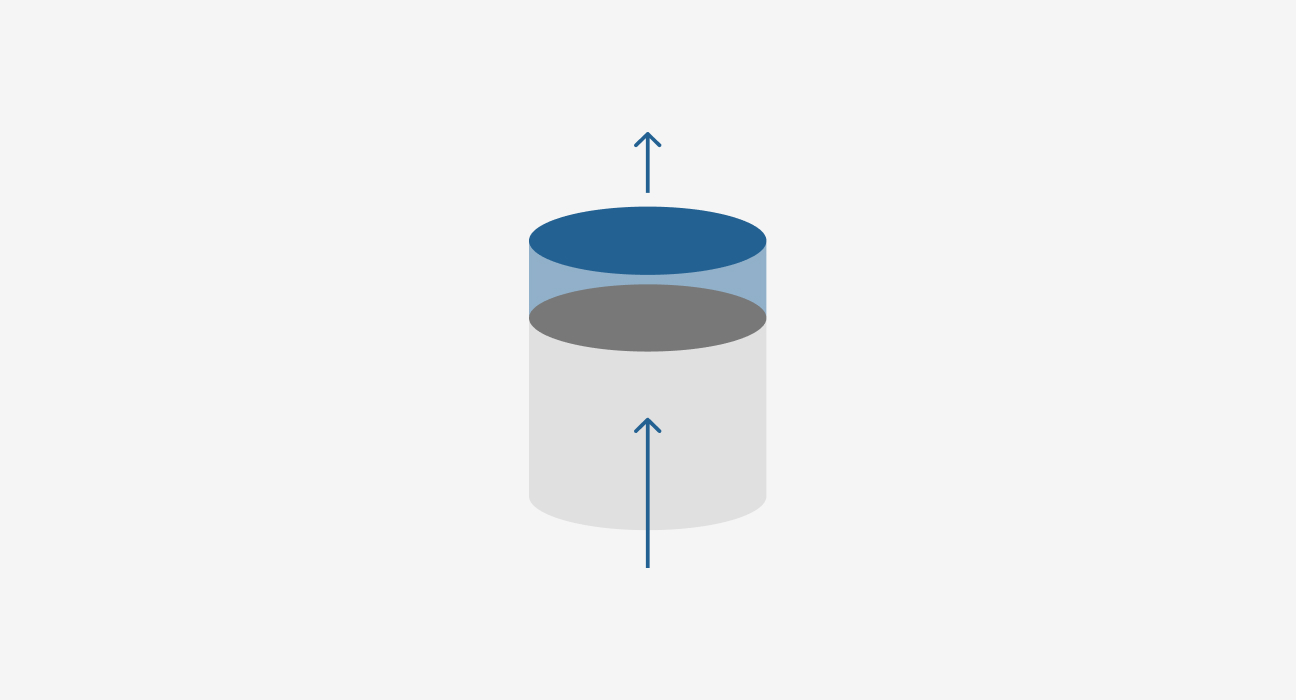
Are you leaving critical insights buried in your soil data? Soil moisture content tells you how much water is present. But soil water potential—also called soil suction—predicts how that water will move and how available it is to plants.
Water potential is the key to understanding drought stress, infiltration, water availability, and crop response. And yet, it’s one of the most underused and misunderstood measurements in agriculture and environmental science, partly because traditionally, it has been a difficult measurement to collect and interpret. Choosing the wrong sensor, improper installation, and an incomplete measurement range can all compromise the accuracy of your data, leading to incorrect inferences and decisions.
In this 30-minute webinar, METER Research Scientist Leo Rivera will break down the complexities and show you how to get the most accurate, useful water potential data—in both field and lab settings.
You’ll learn how to:
- Choose the right sensor for your specific research or operational goals
- Avoid common pitfalls in field installation that compromise accuracy
- Capture the full soil moisture release curve using multiple lab instruments
- Integrate data from lab and field for better modeling and deeper insight
- Pair water content with water potential to reveal what your plants actually experience
- And more
Whether you’re managing irrigation or modeling the vadose zone, this session will help you capture cleaner data, make stronger decisions, and avoid costly misinterpretations.
Presenter
Leo Rivera is a research scientist and Director of Science Outreach at METER Group. He earned his Bachelor’s and Master’s degrees in Soil Science at Texas A&M University. There he helped develop an infiltration system for measuring hydraulic conductivity used by the NRCS in Texas. Leo is the force behind application development in METER’s hydrology instrumentation, including the SATURO, HYPROP, and WP4C. He also works in R&D to explore new instrumentation for field measurements of water content, water potential, and hydraulic properties of soil.

Next steps
- Explore the soil science solutions hub
- Link to slideshare
- Watch How to get the most accurate soil moisture data
- Listen to We Measure the World Podcast Episode 39: Improving blueberry breeding with soil moisture monitoring
- Learn more about the TEROS 21 and TEROS 22 soil water potential sensors
- Follow us on LinkedIn: https://www.linkedin.com/company/meter-group
- Questions?
Our scientists have decades of experience helping researchers and growers measure the soil-plant-atmosphere continuum.
Case studies, webinars, and articles you’ll love
Receive the latest content on a regular basis.
Transcript:
BRAD NEWBOLD 0:00
Hello everyone, and welcome to “How to get the most out of your water, potential data—Best practices for field and lab measurements”. Today’s presentation will be about 40 minutes, followed by about 10 minutes of Q and A with our presenter Leo Rivera, whom I will introduce in just a moment. But before we start, we’ve got a couple of housekeeping items. First, we want this webinar to be interactive, so we encourage you to submit any and all questions in the Questions pane, and we’ll be keeping track of these for the Q and A session toward the end second, if you want us to go back or repeat something you missed, don’t worry. We will be sending around a recording of the webinar via email within the next three to five business days. All right, with all of that out of the way, let’s get started. Today we’ll hear from Leo Rivera, who will discuss how to get the most actionable information out of every water potential measurement. Leo is a research scientist and director of science outreach at METER Group. He earned his bachelor’s and master’s degrees in soil science at Texas A&M University, where he helped develop an infiltration system for measuring hydraulic conductivity, used by the NRCS in Texas. Leo is the force behind application development in METER’s hydrology instrumentation, including the SATURO HYPROP and WP4C he also works in R and D to explore new instrumentation for field measurements of water content, water potential and hydraulic properties of soil. So without further ado, I will hand it over to Leo to get us started.
LEO RIVERA 1:24
All right, thanks, Brad, and thank you everyone for joining today. Today we’re going to talk about, of course, one of my favorite topics, which is measuring water potential. But what we’re going to talk about today is we’re going to really try and focus on some things about how to get the most out of your measurements. And it comes down to, in my opinion, a few things. One, you need to understand the instruments and what their capabilities are and what their limitations are, and we’re going to try and hit on that, and you need to understand what are some of the best practices behind making those measurements. So we’re going to focus on best practices, both in field measurements and laboratory measurements, and also some things to think about, how to get the most out of those data, and especially when you’re trying to pull data together, whether it’s from field or lab applications, and what that all looks like. So that’s what we’re going to hit on today. But before we get into that, I always like to start with this, especially when we’re talking about water potential, because one water potential is still one of those topics that I think people tend to stay away from just because of its difficulty. But really, I think it’s important to understand this. Two Variables are necessary to describe the state or matter, sorry, the state of matter or energy in the environment. You need to understand the extensive variable which describes the extent or the amount of matter or energy, and you need to understand the intensive variable, which describes the intensity, sorry, the intensity or quality of matter or energy. So I always like to start with this example here. I think everybody should understand this example. A good example of an extensive variable is volume. Everybody understands volume from their grade school days. It’s the size or the you can this, the amount of something that’s present, could be water, could be something else. And then we have the intensive variable, which is the density, which describes how dense or how intense that that matter is, how heavy it helps you understand how heavy it is things like that. So you really need to understand both variables when we’re looking at these things. And I think another good example that I think we can all relate to is temperature versus heat content. We all understand temperature, right? That’s how we feel in the environment, and that’s when we’re trying to set our thermostats to control conditions in a room. We control it to temperature, right, so that’s the intensive variable, the extensive variable of that is heat content. Heat content is really hard to wrap our head around, because there’s so much more we need to know about, either the air or the properties of a material that we’re looking at when we’re trying to understand the heat content and relate that to other things, especially when we’re trying to control things. And so now, having said all of that, let’s talk about water content versus water potential. Water content is our extensive variable, so it’s just the amount of water that is present in soil, right? We need to know more about the soil and the properties of the soil at that given location to really relate that to the intensive variable, which is describing how the plants are going to feel, or how the microbes are going to feel, or how hard it is for water to move or be able to pull it out of the soil. Water potential is that intensive variable that actually gives us that information, and so water potential is just a critical parameter that we need to understand. So let’s dive a little bit deeper into that let’s talk about what water potential actually is. So here’s the the textbook definition of water potential; water potential is the energy required per quantity of water to transport an infinitesimal quantity of water from the sample to a reference pool of pure free water. And so I just want to just, let’s simplify that a little bit. Let’s just think about our reference for water potential is a pool of pure free water. We call that our zero water potential. Okay? So we can, we can all understand that from there it goes, typically as a negative value. So as that water becomes more bound, whether it’s being bound physically by the soil or chemically, then it, it, it, the water potential decreases and it becomes less available. So that’s what we’re looking at when we’re talking about water potential, so essentially the availability of water and how easy it is to pull out of the soil, or how easy it can move out of the soil.
LEO RIVERA 5:30
When we’re typically talking about water potential, there’s typically four components that make up total water potential. We have the matric potential, which is the absorption to surfaces. So that’s kind of more the physical makeup of the soil, the size of the pores, the surface area, things like that that make that kind of govern the matric potential, the gravitational potential is in relation to its position in a gravitational field. So typically, that’s if we’re trying to pull water from a deeper position in the soil. We need to understand the impact that gravity has on that to actually extract it out of the soil. And then we have the osmotic potential, which is related to the solutes, the amount of salts in the soil that can actually help also bind that bind that water up. And then lastly, we have the pressure potential, which is the hydrostatic or pneumatic pressure. This is typically in saturated conditions, where you actually have a standing body of water that’s actually creating a hydrostatic pressure. There are some cases in unsaturated conditions where you can have also a hydrostatic pressure. But this is not typically what we’re looking at when we’re making measurements of water potential in the field. We’re typically measuring two things. We’re measuring the major potential and we’re measuring the osmotic potential. And it’s really also important to understand that some sensors measure potential on its own, and some measure osmotic potential as well. And so it’s really important to understand that when we’re looking at the different tools and trying to understand what that measurement is, that we’re actually getting out of that sensor or that instrument. And then lastly, let’s just talk about how we can apply water potential data. One like I said, water potential tells us how the plant is going to feel in the environment. So we can use this water potential information to actually directly measure the water availability and better use that to maybe identify an ideal range for a specific plant and and to dial in our irrigation for that. Or if we’re doing drought studies to understand what the actual drought stress is that’s occurring, and really use that to better understand why the plant might be having a specific response in a certain environment. And then we can use these data from water potential measurements, either in the lab or in the field, to generate soil moisture release curves, which can help us better define that relationship between water content and water potential. And we’ll dive more into that as well. And then we can also use these data to really better understand water movement in soil, because, again, water potential is one of the is the governing factor that’s actually governing how water moves in soil. So we can use this to improve we can actually use this to improve our understanding of hydraulic properties. And I’ll dive a little bit deeper into what I’m talking about there a little bit later in the presentation.
LEO RIVERA 8:07
Okay, so now that we’ve gotten over some of the basics, let’s actually start diving into some of the measurement methods. And we’re going to focus both both on field and lab method methods for for measurements. So let’s first focus on the field measurement methods. And when we’re talking about sensors for measuring water potential in the field, there typically are two categories of sensors. We have our indirect methods, which we’re measuring a specific property and then relating that to the water potential. That’s typically some sort of solid matric sensor and the technology that we typically use for those measurements are either like a heat dissipation or a capacitance sensor, where we’re using where we’re using those measurement principles to measure that material and then relate that to water potential. And I’ll dive more into how that works here shortly. And then we have our direct measurements, which are actually directly measuring the suction or the pool of of the or how bound the water is in the soil, that’s typically done with something like a tensiometer, or now with new things like high capacity tensiometers as well, where we’re making that direct suction measurement. So let’s dive deeper into these methods. But before we do that, I think it’s important to understand some of the challenges with water potential measurements, and this is probably one of the reasons why more people tend to steer towards water content because it’s easier to measure one of the big challenges with water potential measurements is the ranges that they can measure. Here you see a chart that shows the ranges for several different instruments and sensors when it comes to measuring water potential and one of the things you’ll see here is nothing covers the full range of water potentials. Now there are some things that are going to cover the ranges that we typically care about, which is typically the plant available range of water, but there are situations where we need more than that, or we need more accuracy, so things like that. So these are there are limitations still, even with today’s technology when it comes to measuring water potential, but we’re continuing to make improvements there. So here you can see when we’re talking about field sensors, you can see that, yeah, again, no sensor covers the full range, and you can see some sensors cover less of a range, but have higher accuracy, like the tensiometers and then the solid matrix sensors cover a broader range, but you can see that they have accuracy limitations when compared to the tensiometers, which are are going to be the most accurate tool and we’ll talk a little more about that. So let’s talk about how a solid matrix sensors works. Again, they’re typically being measured using a capacitance or heat dissipation technology. And what we’re doing is you’re going to have a sensor with a ceramic matric, or some other solid matric. It could be some sort of granular matrix as well, as long as we can keep that consistent and and it has a good pore size distribution, we can use that to make that measurement. And what we’re doing is measuring as that ceramic comes into equilibrium with the water potential of the soil, it’s going to allow water to come in and out as water potential changes in the soil, and we’re going to measure that change either through that capacitance or heat dissipation measurement, and then we’re going to relate that measurement of the amount of water in the ceramic to the water potential in the field, because what we’ve done is characterized that relationship between water content and water potential for the ceramic. And then we can infer the water potential of the soil from the measurement in the ceramic. So typically, these sensors are calibrated to output water potential based on the ceramic characteristics. So you’re not actually looking at that water content measurement you’re actually looking at it calibrated output in most cases, for these sensors that tell us what the water potential is. And again, these are all those indirect methods. But like I said, there are advantages and disadvantages to this technology. One of the primary advantages of the solid matrix sensors like this is that they don’t require maintenance, and you’ll see more as we talk about tensiometers, the maintenance requirements there, and they also have a larger sensing range, like we saw in that chart earlier. Okay. What’s nice about most of these sensors is they cover the plant and available range, and as we’ve made improvements in the technology, we’ve actually been able to push them closer to saturation, which is great, but and they can get good accuracy if they’re calibrated sensors. And this is something you need to be careful with, because not all sensors are calibrated, and so you need to understand that when you’re looking at these types of sensors to make sure that if they’re not calibrated, then you need to get them it’s ideal to calibrate them to get a better output. But again, there are calibrated sensors out there, so we advise trying to go in that direction, so you don’t have to worry about that. Some of the disadvantages, just like I said, accuracy is dependent on the calibration. So if these are if you’re not getting calibrated sensors, you’re going to see reduced performance from those sensors. Some of those sensors have limited wet end performance, especially in that zero to minus 10 kPa, because of the air entry of the ceramic and the air entry of the soil, we’ve improved the our ability to sense the water potentials in that range with more some of the newer solid matric sensors. But in some cases, you still see challenges, especially in highly plastic or clay soils, where you still might see a limited response in that range because of the air entry of the soil. And this is something we’re continuing to work on, trying to improve, and hopefully we’ll continue to see advanced advances in this area as well, as we continue to work on new sensing technologies for this, one other challenge with solid matric sensors is they do tend to be temperature sensitive on the very dry end. And as you can imagine, as you start to dry that ceramic out, there’s not very much water in that ceramic. And so as we see bigger diurnal temperature swings, you’re going to see some of that impact on the measurements as you get drier. You don’t typically see this on the wet end, but as you get to the dry end, you’re going to start to see this because there’s less water and less sensitivity in that range. Okay, so we’ve talked about solid matric sensors. Now let’s talk about our direct measurements, which are tensiometers. We’re just going to focus on traditional tensiometers here, but high capacity tensiometers work in a similar fashion. So with tensiometers, typically what you have is a ceramic cup or some type of ceramic body that is filled with water, ideally degassed water, and then there’s a pressure transducer, whether that’s an analog or or or a digital pressure transducer making the measurement that’s actually directly measuring the suction as the soil is trying to pull the water out of that ceramic to equilibrate the system. And so at lower or at higher water potentials, the same minus 10 kPa, there’s less suction being applied. That’s what the pressure transducer is measuring. As our water potentials get lower, the suction increases, and the pressure transducers measure that, okay, and so they’re directly measuring that suction that is being applied by the soil. Now, like we talked about, these sensors have a limited range, and so that’s important to understand, but they are a direct measurement. Uh. So we’ve continued to push to try and advance these sensors as well, to try and make them easier to use and more user friendly. But some things to understand about tensiometers is that they do require maintenance, because once they go outside of their measuring range, and sensors cavitate, they will need to be refilled. And so some of the things we’ve worked on as we’ve tried to improve these sensing technologies, of course, we’ve moved towards digital pressure transducers that are more accurate and actually allow us to to automate and improve our measuring capabilities with these some of the other things we’ve tried to do is minimize the water column. So some traditional tensiometers, you’ll see have a really large column of water, which you actually have to correct for in the measurement and it’s actually more to have to fill. And when you’re trying to extend and get the best measuring range, the more water you have to fill in there, the harder it is to to get really good degassing. And the tensiometer have it have that full range capability that we’re looking for. Some of the other things we’ve done is added external refilling tubes to the tensiometers to make it easier when they do cavitate, to come out in the field and refill them without having to pull the sensors out. And then modern tensiometers now are also capable of measuring both positive and negative pore pressures. So positive pore pressures, which occur typically when you have saturated conditions and you have a water table above the sensor, which is actually exerting pressure, can be measured as well, which is really useful in in some applications, especially when we’re looking at things like slope stability and things like that. Understanding that positive pore pressure can really help us understand the risk of a slope failure and the things that are causing that. As we continue to make advances, we’ve also been able to push the measuring range of some of these sensors. So in that chart we showed the typical measuring range for tensiometer is about 0 to minus 80 kilopascals. But with advances in the measurements, we can actually push these beyond that, some of the pressure, some of the tensiometers can go to minus 400 kPa without cavitating, and then the high capacity tensiometers can actually go even beyond that and go down to four bars or lower in some cases, and have a really good measuring range there. Those do require more sophisticated filling apparatuses, but they can be really, really useful in some applications. So let’s talk about some of the advantages and disadvantages for these for tensiometers, or the what we often refer to as liquid equilibration techniques, like I hit on before, tensiometers are the most accurate sensor when it comes to measuring water potential, even when compared to some of the other lab methods, nothing can beat the accuracy of a tensiometer. And what’s what’s great now is, with newer sensors, we can also measure positive pore pressure, which can be really useful when trying to understand what’s happening in the soil. Some of the disadvantages is, most tensiometers are limited to a water potential range from minus from zero to minus 90, minus 80 kilopascals, depending on the on the sensor, and they again, have significant maintenance requirements, especially if you’re often going out of that measuring range.
LEO RIVERA 18:05
So these are things to understand when you’re looking at field sensors, understand these limitations and try and choose a sensor that’s going to best work for your application. If you need the accuracy on the wet range, tensiometers are going to be the things that you’re going to want to go with if you need the range capabilities and lower maintenance requirements, the solid matric sensors are typically a better way to go. Okay, so we’ve talked about field measurements. Let’s move over now and talk about laboratory measurements of water potential. And when we’re making measurements of water potential in the lab, it’s typically we’re trying, it’s the goal is there is typically to try and generate soil moisture release curves. So most laboratory instruments are designed to generate soil moisture release curves. Some of them can also be used for single point measurements, whether you’re taking a direct sample and you want to measure them, or you’re just trying to prep a sample to a specific water potential and make a measurement of that. So some of the tools like can also be used for that as well, but they’re typically designed for for for measuring soil moisture release curves. Some of the typical measurement technologies or techniques out there are, for example, the evaporation method or the wind method or the wind Schindler evaporation method, depending on on the setup that you have where you’re measuring the evaporation from a saturated soil core. And we’ll talk more about that method here in just a moment. So with pressure plates, we won’t hit as much on pressure plates, but pressure plates, you’re exerting a set pressure to bring a sample to a specific water potential. And so you’re going to have to do this in multiple steps. And then we have our chilled mirror dew point technique, which can be used for spot measurement, can also be used in tools like the vapor sorption analyzer to generate automated retention curves as well. And so that is a technique we’ll dive a little more into as well how that works. But one thing I want to hit on before I move on, is, as we talk about these different methods, it’s important to understand that some of these methods are actually measuring only the matric potential, like the evaporation method and the pressure plates, whereas the the chilled mirror or the vapor the vapor pressure methods are actually measuring both the matric and osmotic potential and we’ll see where that comes into play here in a little bit. So let’s focus on the evaporation method first. Like I said, the evaporation method, you typically start with a saturated soil core, and in that within that core, you’re typically going to have two tensiometers, that’s the wind Schindler method, embedded at two specific positions within that soil core. So we can get an average water potential of that core as it’s evaporating, and that core is going to sit on a scale typically so we can measure the change in water content automatically, along with the change in water potential from the tensiometer measurements. And what’s really cool is, as this is running, it’s an automated approach that we’re actually getting that retention curve measurement as everything’s drying. But along with that, we’re also getting the unsaturated hydraulic conductivity function as well, which is really important when we’re trying to put these data into modeling applications. Typically, we need to understand both the soil moisture release curve and the hydraulic conductivity function as well. So that’s the basic premise of how the evaporation method works. It’s a pretty simple tool to set up and and it typically they’re typically run on a drying curve, which is something that’ll come into play here in a little bit as well. So all things that are important to understand, let’s talk about now our vapor pressure method, which is the chilled mirror dew point technique. There are other vapor pressure methods around as well, using thermocouple psychrometers. Those aren’t as common anymore because they’re harder to make and harder to maintain. So the most common approach for the vapor pressure methods is the chilled mirror dew point technique. And the way this works is you’re going to have a sealed chamber, and you’re sorry, you’re going to take a sample and seal that in a chamber, and you’re allowing that chamber, chamber to come into vapor equal equilibrium and temperature equilibrium with that sample. And that vapor equilibrium is going to be governed by the water potential of that sample. And so then what we’re going to do is measure the sample and mirror temperature. So what we have in there is we have a chilled mirror that we’re cycling the temperature using a Peltier cooler and an optical sensor monitoring that mirror to see when dew forms. So as it comes into equilibrium, equilibrium, we’re going to wait and see when that occurs and when we reach equilibrium, we’re going to measure the point at which the temperature at which dew is forming on the mirror, and along with the sample temperature, we can use that to get our vapor pressure and then get our our relative humidity. And we can actually directly relate that relative humidity, in equilibrium with the sample to water potential using the Kelvin equation. What’s nice about the chilled mirror approach is it has a really wide measuring range. It can measure from 1 to about 3000 minus 3000 bars, and or from 0.1 to about minus 300 megapascals. So so minus 0.1 to minus 300 megapascals. And so that’s a really good measuring range. Again, it doesn’t cover the wet range, and we’ll see where that comes into is a factor here in just a second. But that’s the basic premise of how the chilled mirror approach works. I’ve covered both of these methods more in depth than past webinars, so if you’re more interested in learning about more about how these techniques work, then I would recommend going back and checking those out. But again, so we just focus on two methods. There are other methods. Just like with field sensors, it’s important to understand the limitations of field methods, or, sorry, of laboratory methods, as well. So here, if we focus on this half of the chart that shows the water the ranges of our laboratory methods, again, you see the same issue. We don’t cover the full range of water potential with any instrument, and so if I’m trying to generate a full soil moisture release curve, that means I’m going to have to combine two methods, or sometimes three methods, depending on what I’m trying to do, to get that full soil, soil moisture release curve. So this is really important to understand. One thing that’s really nice is with tools like the HYPROP and the WP4C, those two overlap really well, so we can typically cover that full range really, really well with those two instruments. And we’ll see what that looks like here in just a second. But those are just important things to understand. There are other limitations as well. You do see reduced accuracy in some techniques as we get wetter, and so it’s really important to understand and understand understand that when you’re looking at these different methods. Okay, so we’ve covered the tools, covered some of the basic principles of water potential. Let’s talk about measurement best practices, and we’ll focus on some field deployment. We’ll talk about lab best practices here in a moment. But let’s talk about best practices for deploying in the field. And just like with water content measurements, proper installation is critical when it comes to getting good measurements with water potential sensors, especially when it comes to getting good contact. So some of the basic principles of getting good measurements in the field, we ideally are installing into undisturbed soils. It is not as critical with water potential measurements, that it’s completely undisturbed. You can have a small disturbance in the area because, because it’s water potential, it’s the energy state, everything is going to come into equilibrium. So even if you have to use a slightly different material to help improve contact, that’s okay. But ideally, we’re disturbing. We’re trying to minimize disturbance as much as possible. That’s what, ultimately, what the goal is. And then the one of the other key factors is good sensor to soil contact. Because, again, whether it’s a ceramic cup from a tensiometer or it’s the ceramic matrix of a solid matrix, sensor those that ceramic needs to have good contact with the soil to come into good equilibrium with the water potential of the soil. So that’s absolutely critical and, and so as you’re looking at the tools and your installation methods, you want to bring you want to consider all of that when you’re when you’re looking at how you’re going to actually go on deploy. So talked about some of the key principles behind good measurements. Now let’s talk about some of the different installation methods. One of the most basic ways, of course, is to dig a trench and then install into the side wall of that trench. We won’t hit too much on that, because it’s not my preferred method. If I can avoid that. One of the reasons for that is because it typically just tends to mean more site disturbance, because you have to dig a big enough trench that you can actually get into the depth that you want to get to, and you have to get in there and actually be able to install, install the sensors by hand. And so, so some of the other methods that we like to hit on, of course, are the measurement or the installations in a 10 centimeter or four inch diameter augered hole. And typically with those we’re installing to the sidewall of that hole. So again, it’s similar to trench we’re installing in that side wall, but we’re minimizing the site disturbance with this method, because we see way less site disturbance with a small auger hole versus the trench installation.
LEO RIVERA 27:14
And then lastly, or one of the other methods we’ll talk about, is a direct installer insertion into a smaller augered hole. This is more common with like tensiometers, and actually some of the newer solid matric sensors that we’ll show here in just a second. But one of the key parts about behind getting good measurements is having the right tools to make those measurements. And this is something that we’ve really spent a lot of time trying to focus on as well. Now you know you can make the best sensors around, but if you don’t have the right tools and you don’t have good installation you’re still not going to get good measurements. And so this is one of the things we’ve spent a lot of time on. One of the tools that we actually recently released was a what we call the TEROS borehole installation tool, and that allows us to actually directly install sensors into the side wall of a borehole down to pretty deep depths. And we’ll show what that looks like here in a second. But here you can see an example of how this tool works, and it has a linear actuator that actually installs the sensor directly into the sidewall of the borehole. It works with both water content and water potential sensors now for like, like the TEROS 21 and so, you know, the tools are one of the key parts behind making good measurements. And so we’ll kind of talk about what that looks like with something like something like the borehole installation tool. Typically, you’re going to auger a hole down to your desired installation depth a little bit past that using a 10 centimeter or a four inch auger. And then what you’re going to do is use the the installation tool to install the sensors into the side wall of that borehole at the desired measurement depths. And what’s cool with this is we can install sensors in our profile, and we can also co-locate water content and water potential sensors, so we can get both measurements near each other, directly in that same borehole so really allowing us to get good antenna measurement. And I’ll show an example of how we use some of that, it to actually make some other inferences of what’s happening in the soil. But what’s also nice about this tool is now we can also extend this up to 10 meters to install at really deep depths. And actually, I have a project here in a couple weeks where we’ve gone out and installing down to about seven meters. And so to be able to do that and minimize your site disturbance, I think that’s, you know, it’s important of having the right tools to the importance of having the right tools to be able to make these measurements. Okay, so we’ve talked about the borehole installation approach. Another approach is, again, that that insertion into a direct insertion into a small augered hole. This is a really nice approach as well, because, again, it really minimizes site disturbance. The only disturbance you have is the small hole that you need to make to install the sensor. This is typically the way you would install tensiometers. But also now we’ve worked on new form factors for solid matric sensors, like with the TEROS 22 that also allows us to have the same installation method. So with something like this, let’s say I’m going to install a TEROS 22 I’m just going to make a small augered hole, 16 millimeters, or five eighths of an inch, using a long drill, and drill down to the depth we can do it at angles. That way you have undisturbed soil above the sensor, and that minimizes the disturbance to how the water flows through the soil, and that also allows us to hit the different installation depths depending on on what we’re trying to achieve with those sensors. And then what’s really nice about this approach, for both tensiometers and for things like the solid matric sensor with the TEROS 22, is now that sensor can also be removed at the end of the season, if you’re needing to go in and do cultivation or or you’re done with the project, things like that. So those are the really nice things about this installation approach. One thing you have to be careful with with this installation approach is, because you might have a shaft coming out to the surface, is there is the potential that you could have preferential flow down that shaft. So you want to take precautions to try and minimize that chance for preferential flow, whether that’s using the the divergence disc that goes over the top of it that’ll help shed water off of that hole so it doesn’t go down that down along the shaft of the sensor, or you could do something like using bentonite to try and actually seal around where that sensor was installed and minimize the chance the water is going to flow down preferentially flow down the side wall of the sensor. So again, it’s all about having the right tools and having the right sensors that allow us to make these installation approaches and try and get our best the best water potential measurements that we can in the field. Okay, so talked about measurement best practices for the field. Now we’re going to talk about laboratory measurement best practices and how to get the most out of our laboratory measurements. So the tools in the lab have come a long way, but again, there’s still some techniques that we have to think about when we’re trying to make these measurements. One of the primary goal in the lab, again, is we’re trying to measure the full range of the soil moisture release curve with something like you can see below. We’re trying to measure the full range of the soil moisture release curve on this Palouse silt loam. What’s nice is, with these newer tools, we can pretty well cover that range with the two instruments that you see here on the right, with the HYPROP and the WP4C we get a nice, good covering of that soil moisture release curve. But when we’re trying to do this, there are some things that we need to think about when we’re combining these two instruments. Okay, so some of the things that we need to think about, one is we need to account for hysteresis, right. So some of these methods are only on a drying curve, like the HYPROP, the HYPROP only works on a drying curve, a tool like the WP4C, or even the vapor sorption analyzer, those vapor pressure methods, those can work both on wetting and drying curves, and if we’re not taking that into account when we’re trying to generate soil moisture release curves, if we take one that’s on the drying curve and try and combine that with another method that’s on the wetting curve, we’re actually going to wind up with not very good alignment of those two methods when we’re trying to align those to get our soil moisture release curve. So we want to be careful with that. And one of the approaches that we take when trying to combine those two is one ensure that measurements from both are on the same drying curve. And one of the best ways to do that, especially when it comes when trying to combine measurements from the HYPROP and the WP4C is to actually directly sample from the HYPROP at the end of the measurement. And so we’ll show what that looks like. So what’s really cool at the end of the measurement, when you’re done with the HYPROP measurement, is you actually have a perfect gradient of water potential in that core. So at the very bottom of the core, you have the wetter part of the soil, and at the very top it’s that’s the dryer end. And so what you can do is actually take sub samples from within that core to get the points that we need along the dry the on that drying curve, and to get the dry points that we need to make the measurements in the WP4C so what we’ll do is we’ll actually pull the core off of the HYPROP sub sample from both ends of the core, like you see here. We’ll sub sample on the bottom end to get that wet sample, and sub sample from the top end to get that dryer sample, and then what we’re going to do is actually push that core out and actually cut it into segments and set and sample from within those segments, so we can get up to four or five samples from that that one core that gets us the points that we need on the dry end of the curve. To start combining those measurements with the two two techniques. One thing you want to be careful with when you’re using this approach is when you take your samples, you want to make sure that you let those things equilibrate. So I highly recommend capping them and let them equilibrate for for 24 hours before trying to make your measurements. Before trying to make your measurements in WP in the WP4C. That’s one way to to get those points that you need on the WP4C, or sorry, sorry, to get those same points on the same drying curve to make your measurements in the WP4C. So that’s one way to account for the hysteresis. The other thing that we have to account for is the fact that the tensiometer methods from the from the HYPROP only measure the matric potential and the vapor pressure method. So that measurement that we’re making with the chilled mirror measures both matric and osmotic potential. And so there are some situations where there’s an appreciable amount of salts in the soil that that osmotic potential is is is significant enough that it can actually cause issues when trying to combine the measurements from the two techniques. And here you can see an example of what that looks like. You see complete soil moisture release curve of the matric suction. And then you see how the osmotic suction, as we start to get wetter, starts to become more appreciable and push that up. So when we’re trying to get that total soil moisture release curve, it it diverges away from that matric soil moisture release curve. So what we can do is we can actually correct for the osmotic suction from the vapor pressure methods, by taking a saturated extract EC measurement and then using some simple equations and we have a we have a white paper on this, So if this is something you’re not familiar with, we have, we have rough resources out there that you can use to actually make this correction. But if you measure the saturated extract EC, and you know the water content for each point, you can actually calculate what the osmotic potential is for each of those points and then remove that to get the matric potential from the vapor pressure methods.
LEO RIVERA 36:48
Okay, so we’re getting close to the end here just a few other things I like to hit on when we talk about making these measurements. And it’s really about how we make the most out of both laboratory and field measurement, and then also, what are limitations when we’re looking at the two together? So I like to always use this kind of example when we’re looking at a measurement in the field, typically, we’re measuring looking at a complete soil interaction within that whole profile. This is especially when looking at hydraulic conductivity is an even bigger deal, but we also see the same thing when we’re looking at matrix potential and those soil moisture release curves. But when we take laboratory measurements, we’re typically taking a single point assessment. It could be a specific sample from, say, this B layer here, this B horizon here, and we’re measuring the properties of that specific sample which is independent of everything else in the soil, which is good. This is great because we use this to isolate those specific layers and understand what’s going on there. But there can be challenges when we’re trying to take lab measurement and then make similar measurements in the field and combine the two. So you just have to understand some of those limitations and the things that could kind of cause issues there. And a good example of how we can utilize field measurements to do similar things is we can actually now use field measurements to try and generate in situ soil moisture, release curves to look at those properties in the field. One look at how they compare with laboratory measurements, but also look and see how they change over time. So actually start looking at those relationships and see if things that we’re doing to change how we’re treating the soil, or management practices, how those are actually changing the soil properties over time. So looking at those dynamic soil properties, and I’m going to show an example of this here, where we actually have co located water content and water potential sensors in a, in a, in a site at 7 and 15 centimeters. And what we get, of course, we have our time series data here. We have the water content on the top and the water potential, or the matric potential, on the bottom. So we had this really nice drying period in April, and so we decided to do is, actually, let’s take that drying period and actually use those measurements to generate the in situ soil moisture release curve. And this is what that actually looks like. And so you can see what the curve looked like for the 7 centimeter depth, and you can see what that curve looked like for the 15 centimeter depth. And what’s great here is we can see one what that relationship looks like, but we can also see the difference that we get from the surface layer the deeper layer, where you see differences in density, organic matter and things like that. And so we’re actually seeing how those properties are different. But we can also use this to look over time to see if those properties are changing over time. There are some things that you have to understand about how to do this in the field. And then we also are going to then work on comparing that with laboratory measurements. So some of the next steps is actually doing some laboratory measurements on these samples to see how they compare. We’ve done this in the past on other sites, and in some cases, we get really nice comparisons, and sometimes we get differences due to various things. So with that, I just want to close with just one thing. I just always i. Think it’s really important is to understand that water potential is really a key variable that we need to understand. Oftentimes, we might be using water content, but ultimately we’re often referencing that water content to a specific water potential point, whether it’s fuel capacity, permanent wilting point, and then trying to identify the plant available range. But ultimately, water potential is really that variable that we need to understand, especially when it comes to things like optimizing crop yields, understanding drought stress, things like that. And water potential is one of the primary drivers of water and solute movement in soils. And so it can really help us understand our hydrology, especially in the Vadose Zone, understanding how things are moving, why water is moving in the potential for solute movement in the soil as well. So with that, we’ll go to see if there’s any questions.
BRAD NEWBOLD 40:51
All right, thank you, Leo, yeah, we’ll use, I think we could use the next 10 minutes or so to take some questions from the audience. Thanks again to everybody who sent in questions already. There’s still plenty of time to submit your questions, and we can get to as many as we we’ll we’ll try to get to as many as we can before we finish. If we don’t get to your question live, just remember that we do have them recorded, and Leo, or one of our other METER experts, will respond to you directly respond to your question via the email that you registered with. All right, so looking at that, yeah, we’ve got a lot of good questions that have come in already. This first one is asking. So they’re interested in measuring soil water potential in saline soils here in the Southwest US, and they’re trying to understand the best methods for monitoring seasonal fluctuations in soil water potential for these types of soils. Their main question is, are there any field sensors that can measure both matric and osmotic potential, and I will throw in, if not, what can they do to get at both those measurements?
LEO RIVERA 41:53
Yeah, that is a great question. And there used to be field sensors that could measure both matric and osmotic potential, and those were using, typically using thermocouple psychrometers and things like that. Those are not very readily available anymore, unfortunately. So they’re really hard to find, mostly because they’re delicate and hard to make, and they tended to have some performance issues in some areas just due to temperature and things like that. So what I would recommend doing is actually using something that can measure your matric potential, and then combining that with a sensor that can measure your electrical conductivity. So using a soil moisture sensor that can measure electrical conductivity, because from there, you can actually use models to get your pore water, EC. But there are also models that you can use that EC measurement to get your saturated extract EC. So if you have that, then you can actually get your matric potential with the field sensor, whether it’s whether it’s a solid matric or tensiometer, I would really define that depending on what the range of water potentials that you’re looking at. And then with the water content EC measurement, then you can actually model out the saturated extract EC, and then actually model out what the osmotic potential is at that given point.
BRAD NEWBOLD 43:08
This next one, oh, this one they’re asking about the installation tool, and whether or not it is, it can be rigged to help extract sensors, and if not, what can they do to yeah, what are some of the best practices for extracting deeply installed sensors?
LEO RIVERA 43:27
Yeah? Oh, that’s a great question. Unfortunately, it really can’t be rigged to extract the sensors, but this is something that we’re actually doing some work on to try and find other methods. Of course, one of the things you could do this, reason we made the TEROS 22 is because it is removable, so if it works for the depths that you’re trying to install to. So let’s say you’re going within the first meter, the TEROS 22 is a great option, because then you can actually pull that sensor out of the ground a lot more easily. But if you need to use the profile or the profile approach in a borehole, one of the things you could do, and we’re playing around with this is actually fill that borehole with sand and then cap it with the native soil so it minimizes the any preferential flow or the potential preferential flow down that borehole. But then, in theory, you can more easily extract that sand at the end of the season out of the borehole and then use some sort of lever that you can actually use to try and grab the sensors and pull them out. There’s no guarantee that this will work, and you have to be really careful, because there is the chance of damaging sensors when you pull them out. That’s one approach that you could work with. And we’ve been doing some testing with that ourselves, and we’ll see more about how that actually works here in the future as we continue that testing over the summer.
BRAD NEWBOLD 44:40
Okay, I’ll read it as is. We’ll go through this all right, since indirect measurements, for instance, by the TEROS 21 offer high resolution data collection, but the sensor requires some time for the poor ceramic plate to equilibrate with the soil, how suitable is the TEROS 21 for high resolution soil hydrological studies, for example, with 10 minute resolution is there a recommended time resolution for data collection?
LEO RIVERA 45:03
Yeah, that’s a really good question as well. And I think it depends on whether you’re seeing a wetting event coming through or you’re on the drying curve. What we typically see when it’s in equilibrium with the soil and the soil is drying, the ceramic actually behaves at about the same rate of change as the soil in most situations, because it has a fairly similar hydraulic conductivity. And so when you’re drying, it actually responds just like the soil changes. So I’m not really concerned with with your frequency. There you can, you can have that 10 minute frequency or higher if you wanted to, although things don’t change that quickly. But where you do see some issues is when a pulse comes through from a wetting event. You do see a lag sometimes with the solid matric sensors, and have to go back and look at some of my data, but I think it might be up. Sometimes you can see it take 10, 15, 20 minutes, lag behind. Sometimes, as long as you have good contact with the soil, it’s not much worse than that. So that’s really the important part, is making sure you have good contact. But you’ll know that, you’ll see that, and sometimes what I recommend is, especially if you have the water content and the water potential sensor installed in tandem, you can kind of see where that lag is and define when it stopped with those two measurements together. But usually it’s not too bad. And on drying curves, I’m not really worried about it. This
BRAD NEWBOLD 46:27
individual has tensiometers and soil moisture sensors at two different depths, at 40 and 80 centimeters under four irrigation treatments. What’s the best way for them to get the van Genuchten moisture curve or water retention curve? Do they average them all? Do they use only one depth? Is it the shallow depth? What would be your best yeah, recommendations for getting, getting those, those curve in situ curves?
LEO RIVERA 46:49
Yeah. So the approach that we take is we use the same we use both depths, but we treat them as two different curves okay. Now that’s just to get the soil moisture release curve. And so as long as you have the same water content depth, same water potential depth, you use those two sensors together when you’re trying to do the retention curves. The one thing you want to make sure is that you you have good, similar response between both with tensiometers, you can actually use them to do both wetting and drying curves in the in the field, because tensiometers respond really quickly to wetting events. So you can look at both, and then what you could do is actually, what we’ve actually done is we use the HYPROP software and then we manually import those data to actually generate those functions. But you can do this in R or in Python and actually generate the van Genuchten functions from those data as well. If you’re trying to get a hydraulic conductivity function, that’s a different story. You actually need to use both. Because what you’re going to be looking at is that the rate of change between the water content sensors and the rate of change in the water potential sensors at the two different depths. And so you need to know the spacing and the and the those change values. And this is something I actually one of our fellowship students Tejinder Singh is actually doing quite a bit of work on it himself, and so he’s doing a lot of that work in R and actually using those, those data that way as well to generate the hydraulic conductivity functions, and expect we’ll see some more of that work published from him here in the near future.
BRAD NEWBOLD 48:27
There’s one I’ve got a couple on on field measurement best practices. So one of the suggestions or best practices when it comes to installing TEROS 21 water potential sensors is to pack the native soil around the sensor before installing it. The question is, how, how does that work with these deeper installations, like we mentioned before, when they’re multiple meters down, maybe even seven to 10 or other like that?
LEO RIVERA 48:54
Yeah. Great question, and is you’re going to treat it very similarly. So say you’re using the installation tool. The way the installation tool works is it has a actual pre insertion jig that actually makes the the crevice that you need to install the sensor. And so you would do that pre insertion first to make that crevice, then you’ll pull it out, and then you’ll mount the sensor to the installation tool, and you’ll still pack soil around it, just like you would. It doesn’t have to be as thick, because it’s not as big of a hole that you’re putting it into. That insertion jig is sized pretty well for the sensor. And then you would, you would actually just, yeah, pack the soil on there, just like you would for a hand installation, lower it down and push it in. And it’s going to shave off any excess soil as it gets pushed in, but it will kind of have good contact. One area could be more challenging is sandy soils. And so what I recommend with sandy soils is is actually trying to find another material that might pack a little bit better around the sensor, and it’s okay that it’s a different material than what the native soil is, because, again, it’s per measuring the water potential, but that you could actually use that to help improve your contact. But it’s really important, even especially in sandy soils actually, that you use, something like that because sandy soils can be harder to get good contact with.
BRAD NEWBOLD 50:03
Alright, we are close to the end of our time, so this will be our last question, but it is a good one to end on. This individual is asking, well, they said, I see that the TEROS 22 has recently, recently been launched. What is the main improvement over the TEROS 21 does it improve accuracy at low suction ranges, etc?
LEO RIVERA 50:25
Yeah, no, that’s a great question. They are very similar sensors in terms of the measurement technique. The main improvement between the two is the form factor and how they can be installed. There are some small improvements in some of the math that goes into taking that sensing measurement. So we’ve made some improvements in the sensing technology, but also in the math that actually does the fitting from the raw output of the sensor to that retention curve of the ceramic so that output to water potential that improves some of that behavior. You especially see that more so in when it comes to the temperature sensitivity on the dry end and in those areas. But it is the biggest improvement is the installation approach, and being able to install it quickly and easily into the soil. And what’s also nice is, because of the way they’re installed, you don’t have to pack the soil around the sensor because as you’re inserting it into that augment hole, it actually collects all the soil and that it needs around the ceramic to form that good contact and so, so we see that it’s, it’s just overall, an easier sensor to install.
BRAD NEWBOLD 51:33
Alright, that’s going to wrap it up for us today. Thank you again, everybody for joining us. We hope that you enjoyed this discussion, and thank you again for all the great questions. Again, if we did not get to your question, and there are several that we did not get to, we do have them recorded, and Leo, or somebody else from our METER team, will be able to get back to you via email to answer your question directly. Also, please consider answering the short survey that will appear after the webinar is finished, just to let us know what types of webinars you’d like to see in the future, and for more information on what you’ve seen today, please visit us at metergroup.com Finally, look for the recording of today’s presentation in your email and stay tuned for future meter webinars. Thanks again. Stay safe and have a great day.