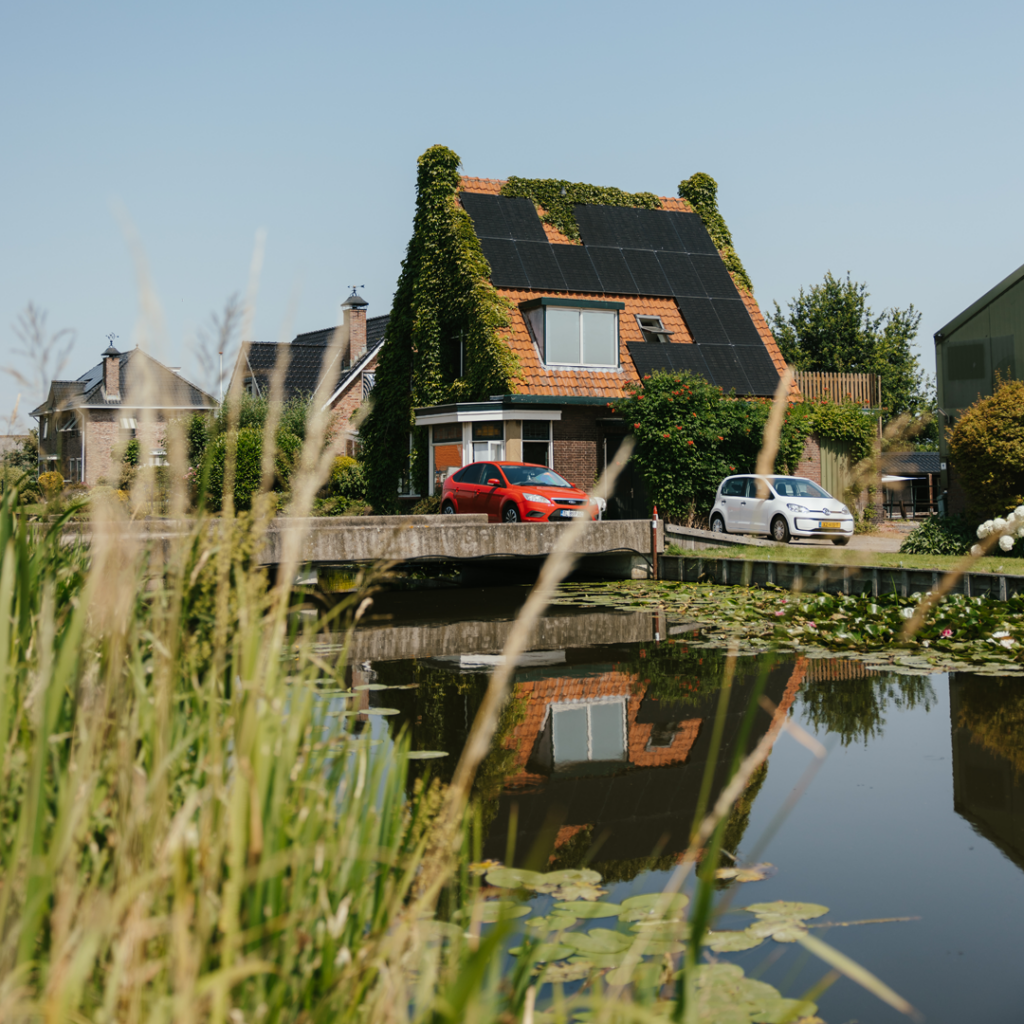
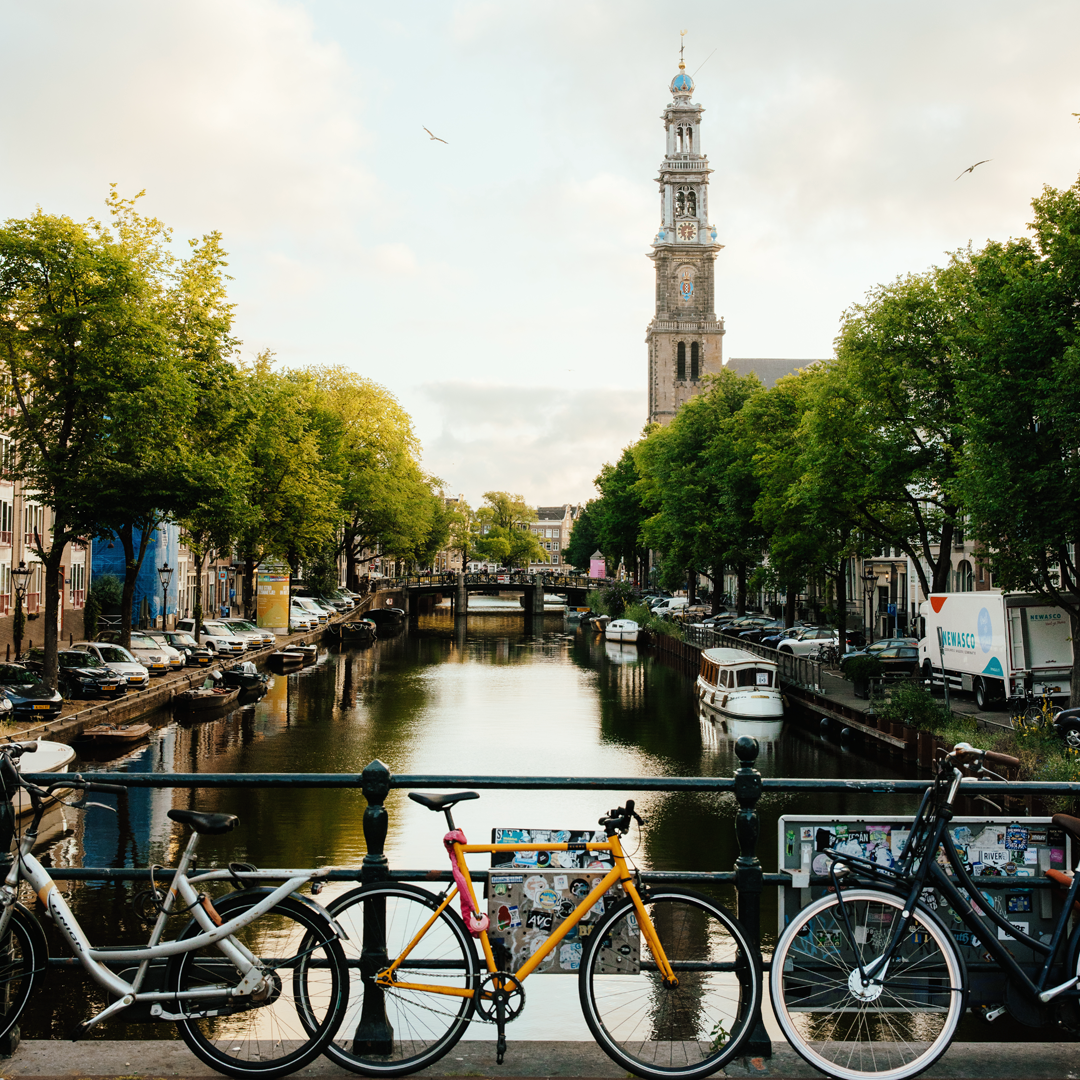
More than 25% of the Netherlands lies below sea level, and nearly 60% of the country is at risk of flooding during high tides and severe storms. To make these areas habitable, an extensive network of dikes and dams was constructed across the nation, protecting infrastructure and millions of residents.
LIFE BELOW SEA LEVEL
The Dutch dikes network includes approximately 14,000 km of regional dikes that help control inland waters, such as rivers and streams. Because these dikes are often the highest paths above sea level, they are ideal locations for roads, bike paths, and above-ground utilities. However, human activity combined with increasing climate pressures has made it more important than ever to monitor the safety of this vital infrastructure.
To address this challenge, Delft University of Technology (TU Delft) has assembled a team at its advanced soil mechanics laboratory to study and monitor the soils that comprise the regional dike system. Their goal is to evaluate performance and provide early warning of potential issues before failures occur. Assistant Professor Stefano Muraro, an expert in experimental soil mechanics at TU Delft, conducts both laboratory and modelling research on the topic.
PUTTING DATA INTO ACTION
“The ultimate goal of our research,” Stefano explains, “is to ensure a stable and durable life for our infrastructure. We want to make our infrastructure more resilient to climate stresses and anthropogenic loads; in particular assessing the impacts of environmental loads on our soil from temperature changes and drying and wetting cycles and cyclic loads.”
He continues, “We want to assess the evolution of water pressure inside the soil and then link it with the fabric of the material. Upon drying and wetting, the water pressure inside the soil is changing, but how is the fabric of the soil responding to the external stresses? The data will eventually serve the development of numerical models which will go back to the field problem where we explore different field scenarios to overcome the limitation of the laboratory.”
RISING RISKS FROM CLIMATE CHANGE
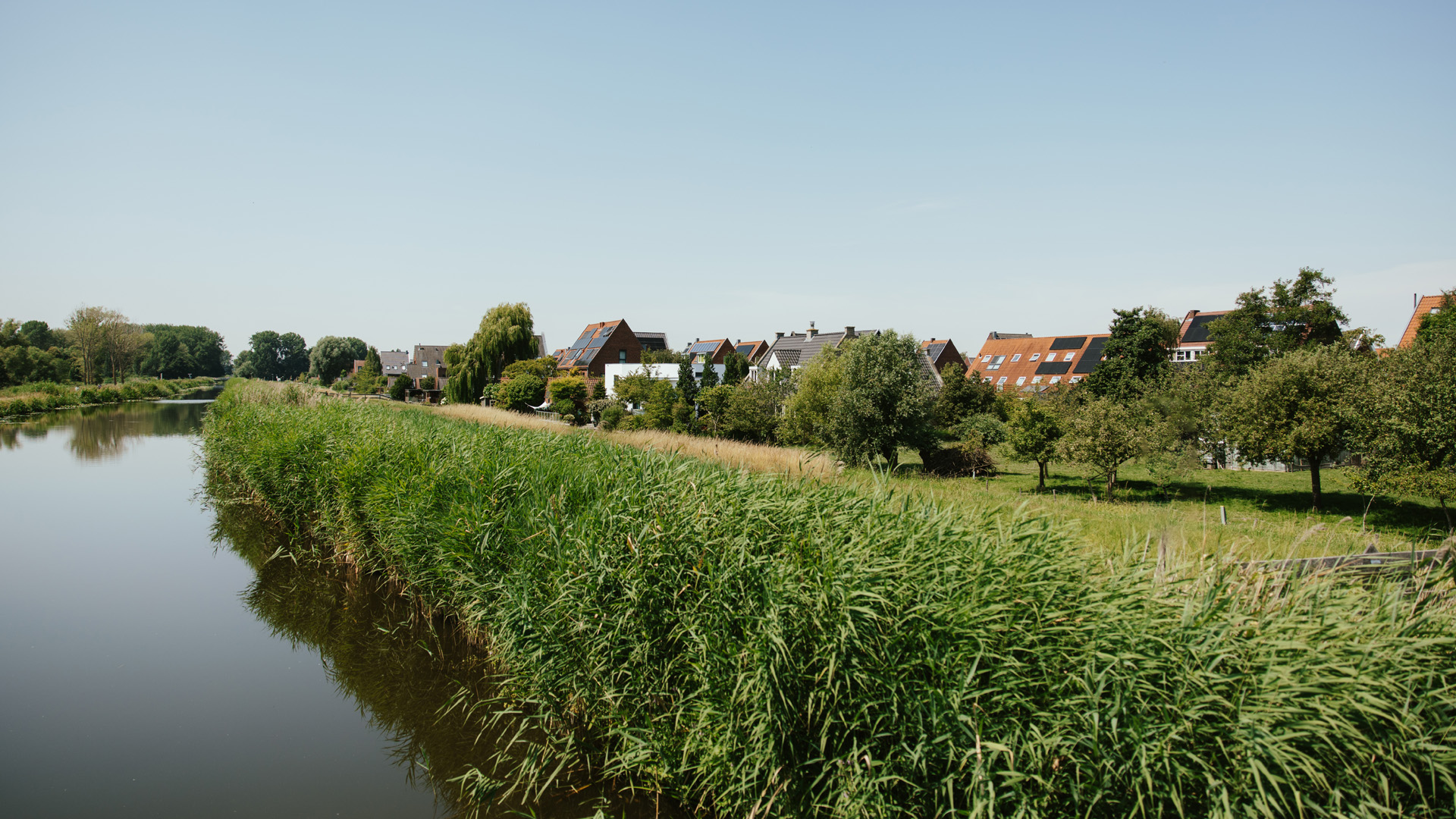
In addition to anthropogenic loads that affect infrastructure, fluctuations in temperature and rainfall over the years have also begun to create challenges. In the Netherlands, particularly in the western parts of the country, the dikes are built with/on very soft soils. These soils, comprised mainly of clays and peats, hold large amounts of water.
Rising temperatures and reduced precipitation exacerbate water loss from the soils during cycles of drying and wetting. As the soil dries, it shrinks and cracks. When rewetting occurs, the soil cannot absorb and retain the same volume of water it previously held, which alters the height of the dikes from season to season.
Understanding the dynamics of soil-atmosphere interactions in addition to the anthropogenic impacts on soils is fundamental to ensuring the safety and serviceability of this vast network of infrastructure. As Stefano put it, “We are trying to investigate parts of a bigger problem and give our contribution to the final solutions.” That’s why TU Delft utilizes METER solutions in their soils labs.
THE METER GROUP EXPERIENCE
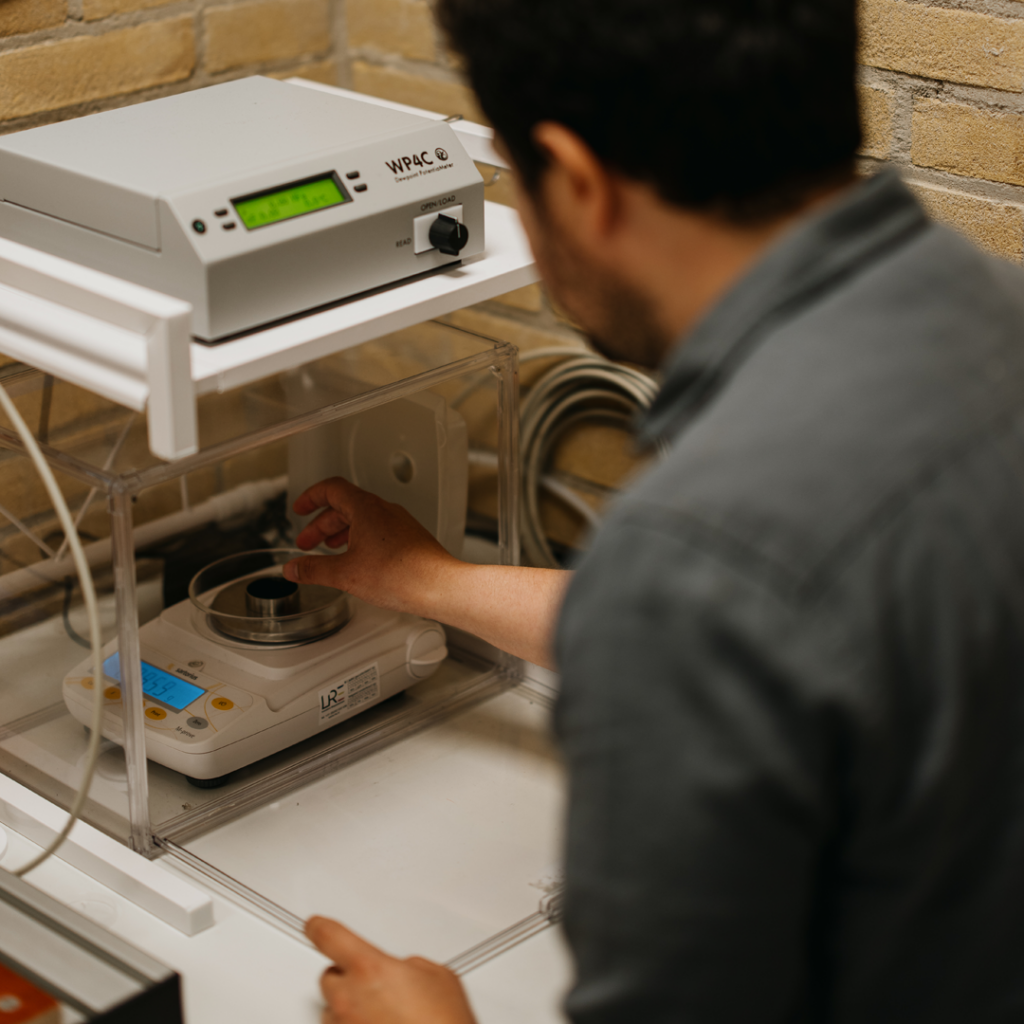
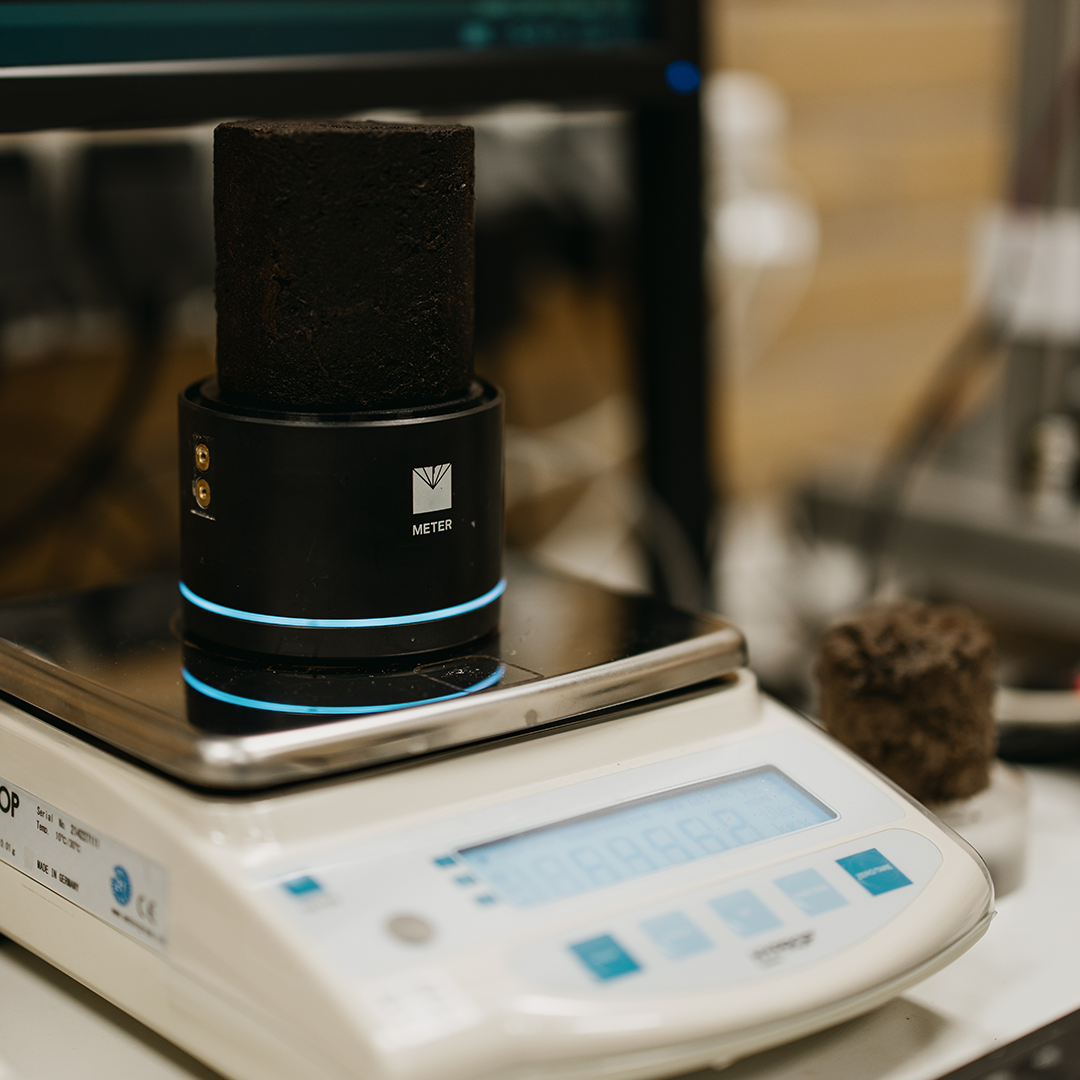
“We love the versatility of the HYPROP. We can accommodate different types of soils, from sandy soil, clay soil, and peat with some changes accounting for the peculiarity of each one.
One of the things we like the most about working with the HYPROP, the WP4C and METER Group is that they are open to listen to the research perspective of the problem. We’ve always found METER to be a partner ready to listen to us and take into consideration our comments and provide suggestions. That, in my opinion, is what makes METER Group very nice and stimulating at the same time from a research perspective.”
Stefano’s colleague, PhD student Luis Parra-Gomez, adds, “I spent quite a bit of time with the HYPROP and I have been able to propose new ways of taking measurements or conducting my specific research in a way tailored to my problem. This has been made easier by the fact that the equipment is flexible, but also by the collaboration with METER Group. When we contact the company for specific parts to be made at different lengths or to suit our setup, we always got a very fast and very nice response.
I also like the idea that there is a workflow behind the device. You start at the HYPROP, you take your measurements, you move on into the WP4C, and by the end, you integrate all of this information, which is quite convenient.”
KEEPING A NATION SAFE WITH SOIL SCIENCE
Through their work, TU Delft researchers are advancing a deeper understanding of how soils behave under real-world pressures. This knowledge plays a critical role in protecting communities and infrastructure across the Netherlands. By pairing their expertise with responsive, adaptable measurement solutions, they are able to push beyond traditional limitations and translate complex soil dynamics into meaningful progress. With the right tools and a collaborative partnership behind them, their work continues to move from insight to impact, helping strengthen the systems millions rely on every day.


Case studies, webinars, and articles you’ll love
Receive the latest content on a regular basis.