Leaching and contaminant transport

Whether you're monitoring nitrate loss, validating land use models, or ensuring regulatory compliance, as a hydrologist, you know every data point must hold up to scrutiny. Every insight must lead to action. But monitoring leaching and contaminant transport is technically demanding and budget constrained. What if you could track solute movement the moment it starts leaching, and not weeks too late? You need tools that help your risk assessments become faster and more defensible, based on real-time data instead of estimates, so you can achieve earlier detection of breakthrough, better model validation, and greater confidence in every decision you present.

Left Side

Complexity often means tradeoffs

The deeper in the soil you monitor, the more complex the measurement process gets. And in many research projects, that complexity leads to hard tradeoffs:

Sacrificing resolution for affordability

Risking missed transport events because your system isn’t automated or continuous

Choosing between lab precision and field practicality

Without dependable deep-profile data, you risk flawed management decisions, compromised compliance, and lost opportunities to prevent groundwater contamination before it starts.

We’ve spent decades working with research hydrologists, watershed managers, and environmental consultants to make contaminant transport monitoring simpler, more scalable, and more accurate.
Our systems combine sensors and easy-to-use software into a cloud-connected system designed for long-term deployment and decision-grade data. We’ve eliminated barriers like complex installation, inconsistent EC data, sensor drift, and manual downloads, so you can focus on what really matters: protecting water quality. Here are some ways we do it:
Research-grade, automated infiltrometers for high-integrity infiltration testing
TEROS sensors for real-time water potential, water content, EC, and temperature profiles
ZL6 data loggers + ZENTRA Cloud for reliable, remote data access
Whether you’re managing a pilot study or deploying across a watershed, METER systems help you track contaminants where it matters most: before they reach the water table.
Left Side

Reliable, accurate data: simplified

Monitoring solute movement shouldn’t require a patchwork of disconnected tools or a field crew on standby. We’ve built an integrated, end-to-end approach that works from day one and scales with your site, your team, and your timeline.

Here’s how to begin:

Define your contaminant transport goals: Are you tracking nitrate, salt, or pesticides? Are you monitoring infiltration or drainage?

Select a package built for your needs: We’ll guide you to the right sensor combination based on your soil profile and depth targets.

Install quickly and cleanly: With intuitive hardware, trench-ready designs, and remote logger sync, you quickly be up and running.

Access and share data anytime: ZENTRA Cloud lets you visualize EC spikes, correlate with rainfall events, and export reports instantly.

Move from reactive

to predictive

When leaching goes undetected, it doesn’t go away, it accumulates. Missed data means missed mitigation. It means:
Reactive reporting instead of proactive intervention

Funding questions you can’t answer

Public consequences you can’t undo
With METER, you move from reactive to predictive. You know exactly when an event occurs, how deep it went, and what that means for your soil and groundwater. Your team doesn’t have to question whether the EC reading is accurate or if the logger missed a spike because it didn’t. You can:
Correlate events to outcomes in real time

Validate land management practices with hard data

Meet and exceed compliance thresholds

Show stakeholders what’s working and what needs work

“The whole catalog that METER Group produces is being used in the mining industry in Australia…from the planning stage to the operational to the closing down of projects…METER Group has a big role in what we do here in terms of environmental management and environmental research.”

 – Senior Adjunct Research Fellow Michael Forster, PhD | Griffith University, Queensland, Australia

Hear the podcast

Leaching & contaminant transport solutions

Streamline your workflow, reduce time in the field, and lead with insight that moves projects, protects ecosystems, and earns trust.  Whether you’re working under EPA regulation, watershed permit, or university research grant, we make it easier to get the data that defends your decisions and strengthens your impact. Explore METER leaching and contaminant transport solutions.

Deep Drainage

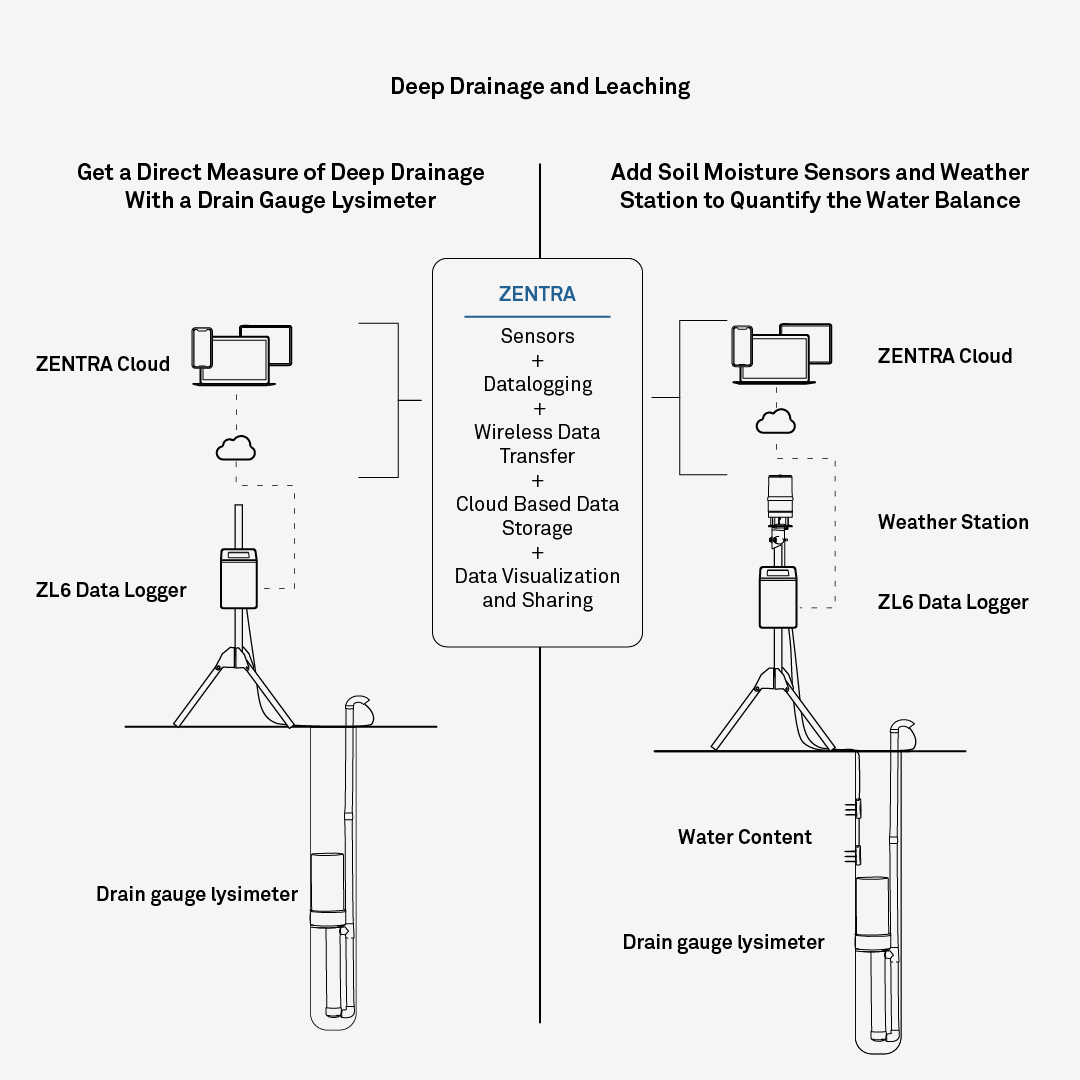
Study groundwater recharge, nutrient or contaminant leaching, and the influence of land management practices on water retention and drainage across a larger area with affordable, easy to use instruments.

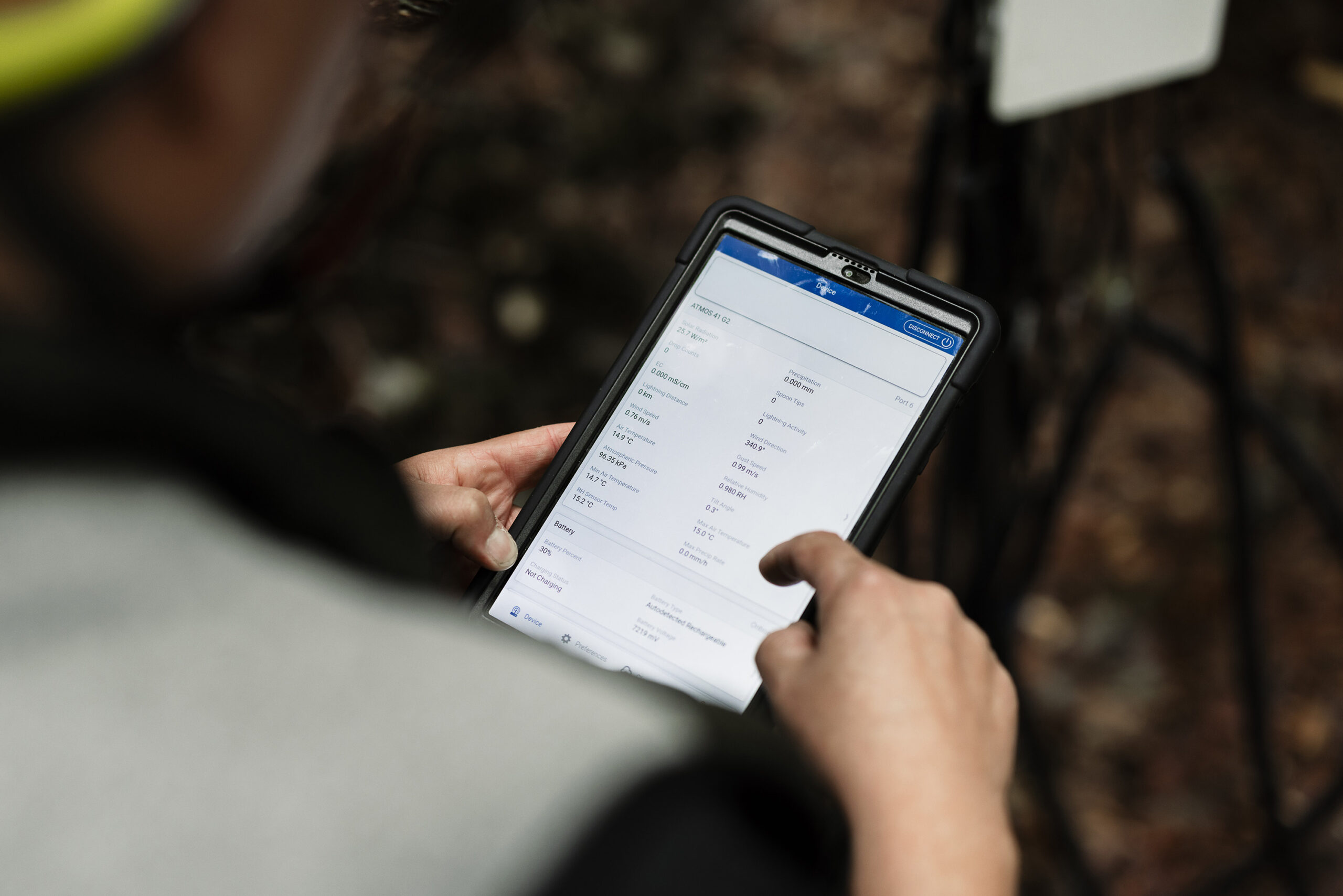
Accurately measure deep drainage and leaching using a METER Drain Gauge Lysimeter, or add an ATMOS 41 All In One Weather Station and TEROS water content sensors to quantify the water balance at your measurement site

Soil Moisture

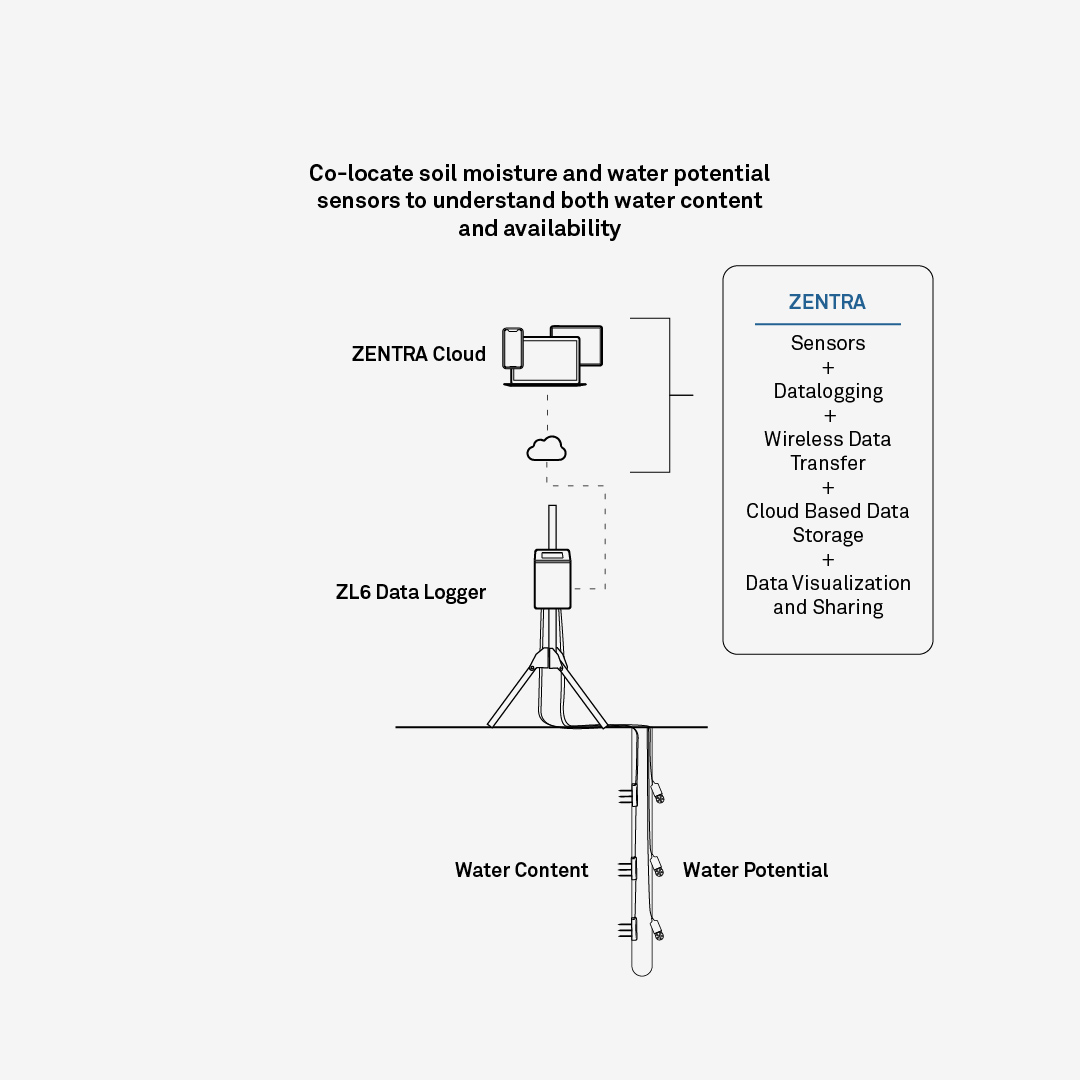
Plant growth, microbial activity, nutrient availability and transport, soil erosion, soil compaction, soil respiration, water infiltration and drainage are all dependent on soil moisture. Measure the amount of water, its availability, and predict where it will move with our water content and water potential sensors.

Measure both water content and availability at a single site by installing TEROS water content sensors and TEROS water potential sensors at multiple depths
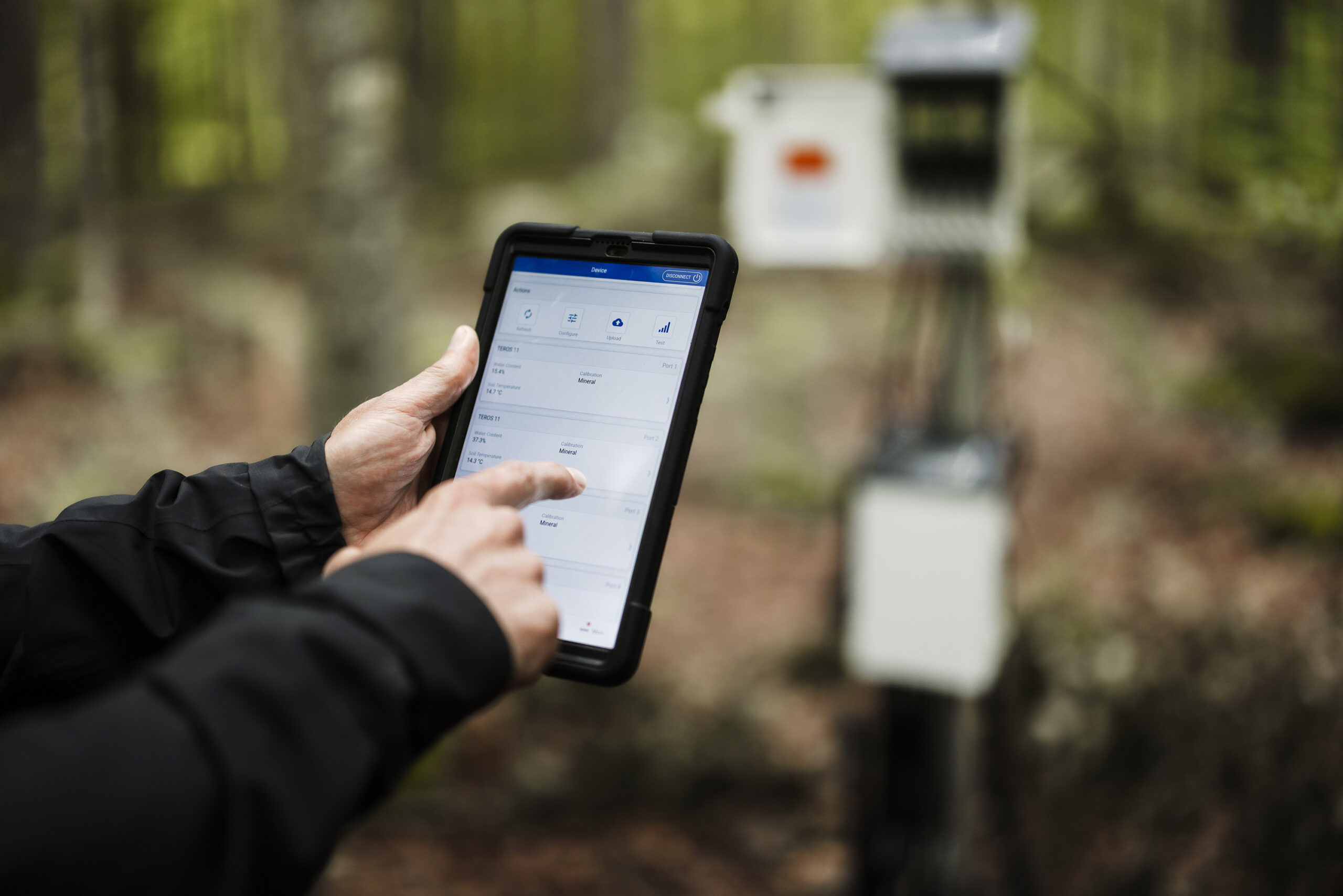
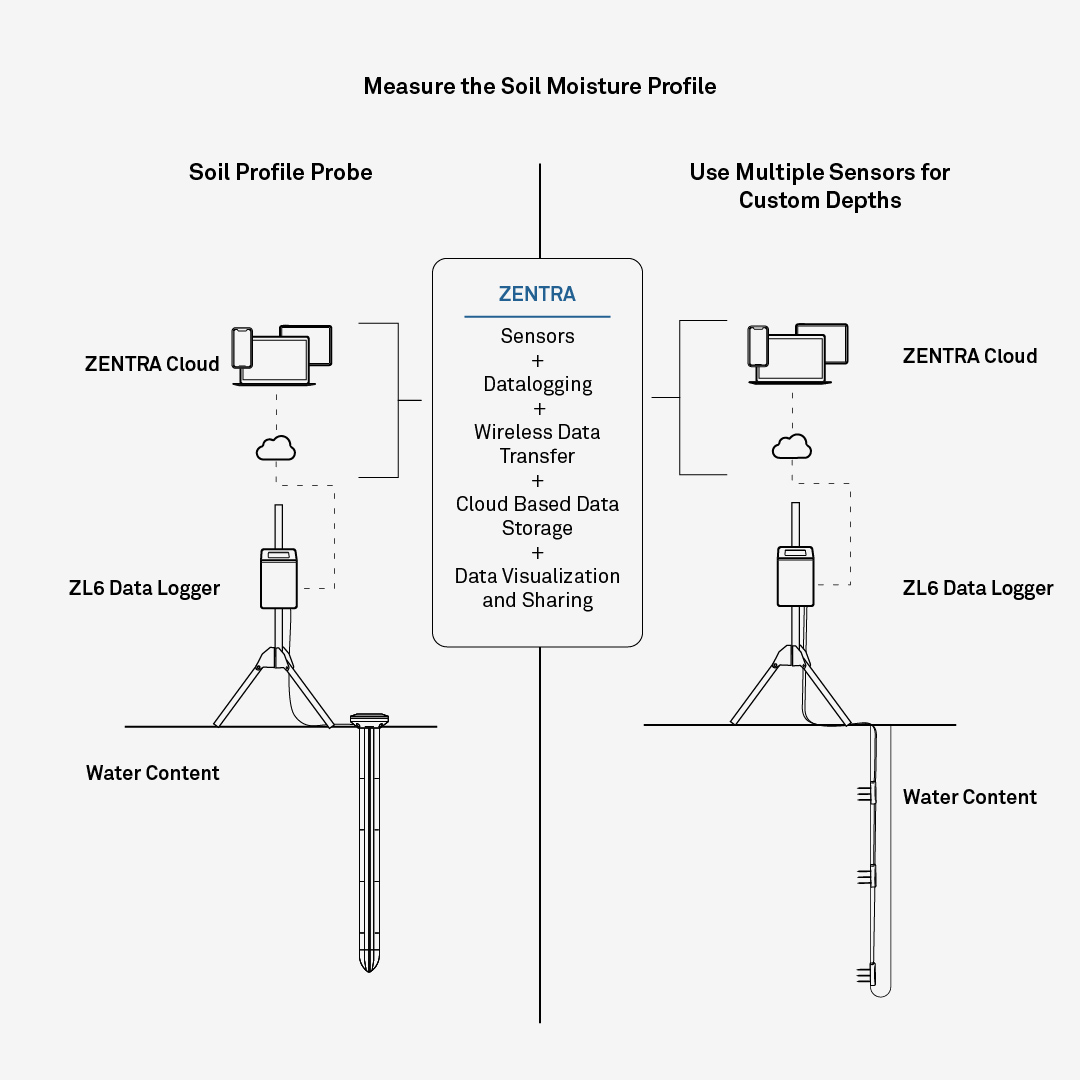
Measure the soil moisture profile at multiple depths using a single TEROS profile probe or multiple TEROS water content sensors, all connected to a cloud enabled data logger

Surface and Ground Water Level Monitoring

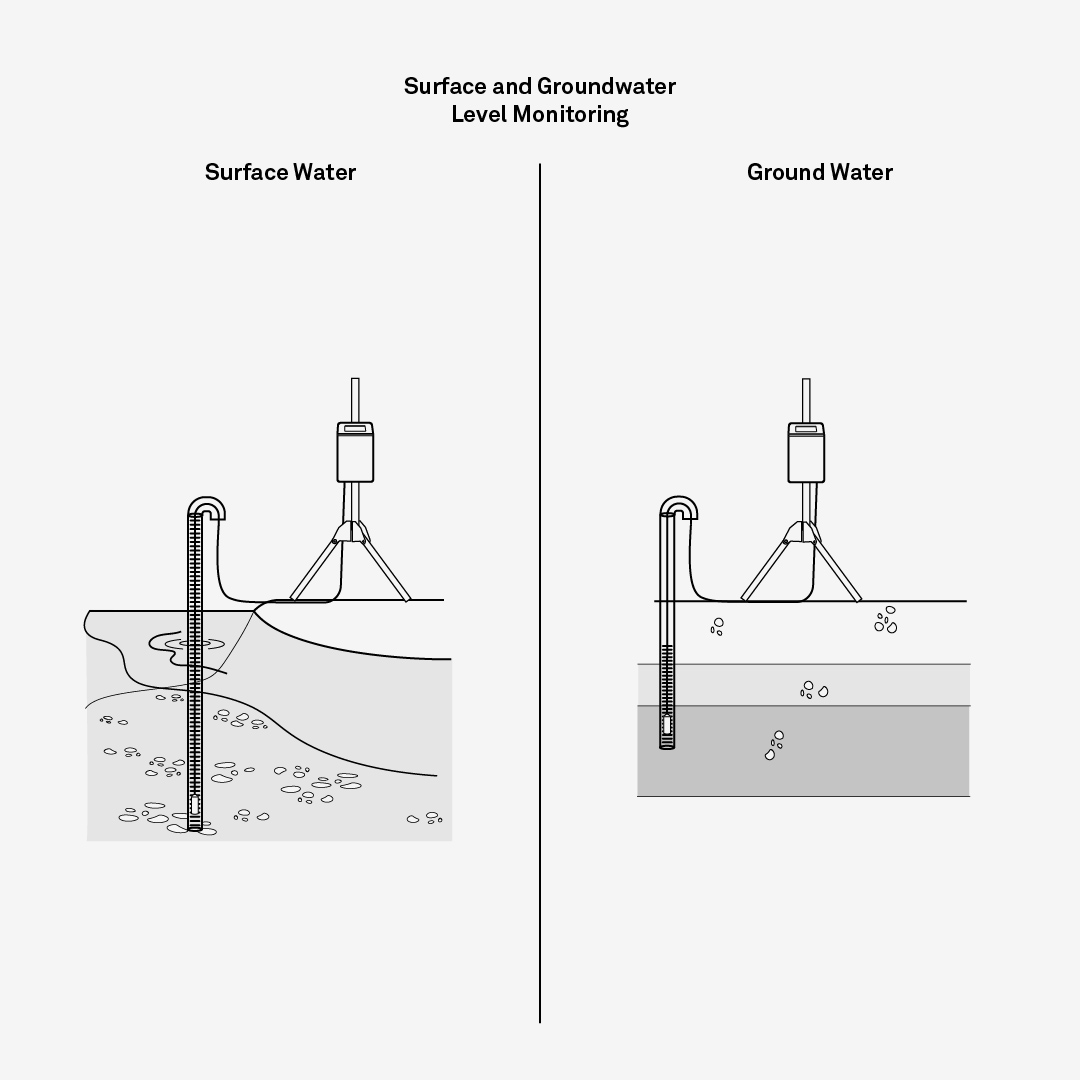
Track groundwater recharge, water flows through canals or channels, or solute concentration using all-in-one sensors. Combining these sensors with a remote data logger allows you monitor water quality and levels across a wide area without frequent site visits.

Apply the HYDROS 21 and a cloud connected ZL6 Data Logger to remotely monitor surface and groundwater levels.

Lab Soil Characterization

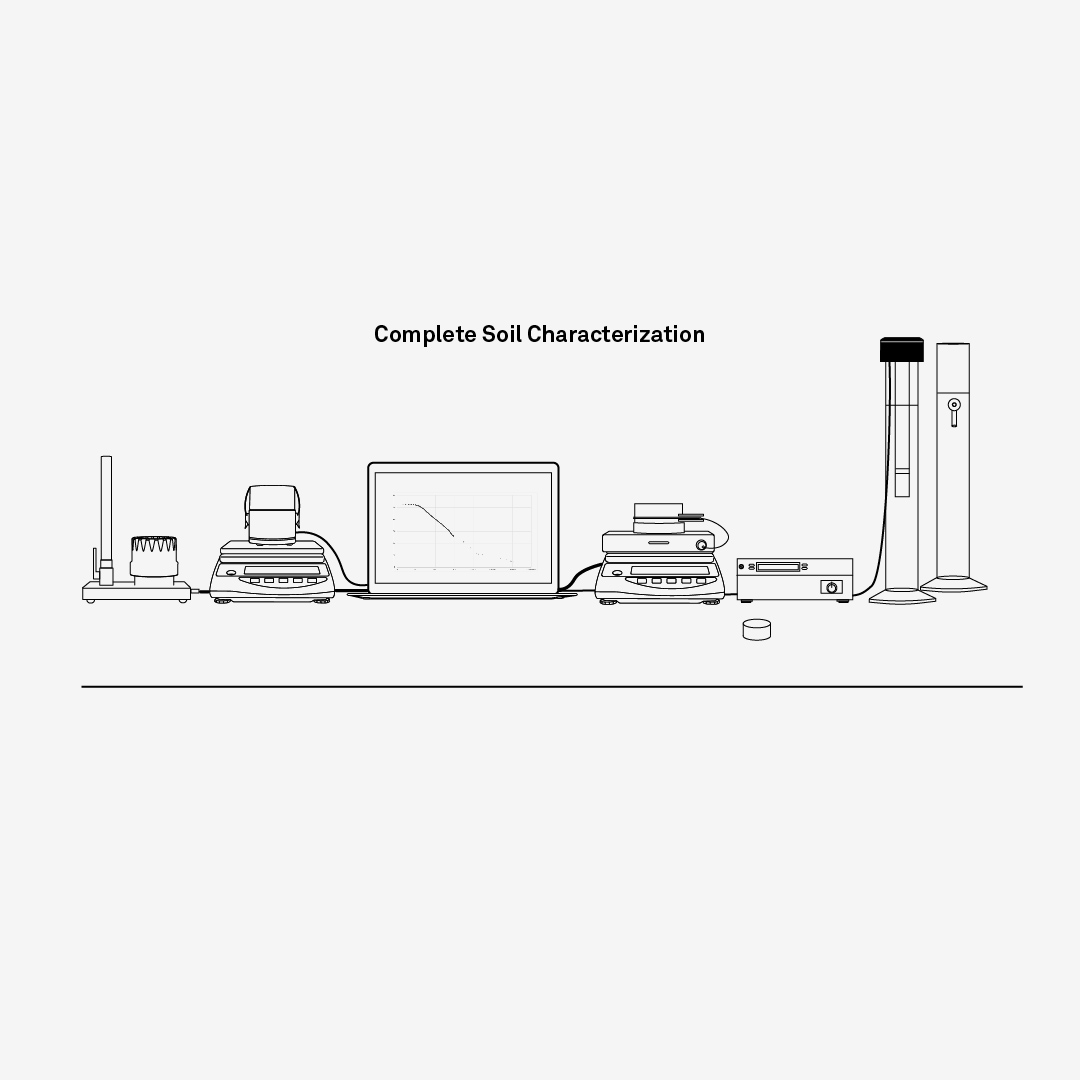
LABROS is an innovative collection of soil science laboratory instruments, each designed to work individually or as part of a larger, automated system. Conduct Automated Particle Size Analysis and measure Soil Moisture Release Curves, Saturated and Unsaturated Hydraulic Conductivity, Thermal Conductivity from a single sample.

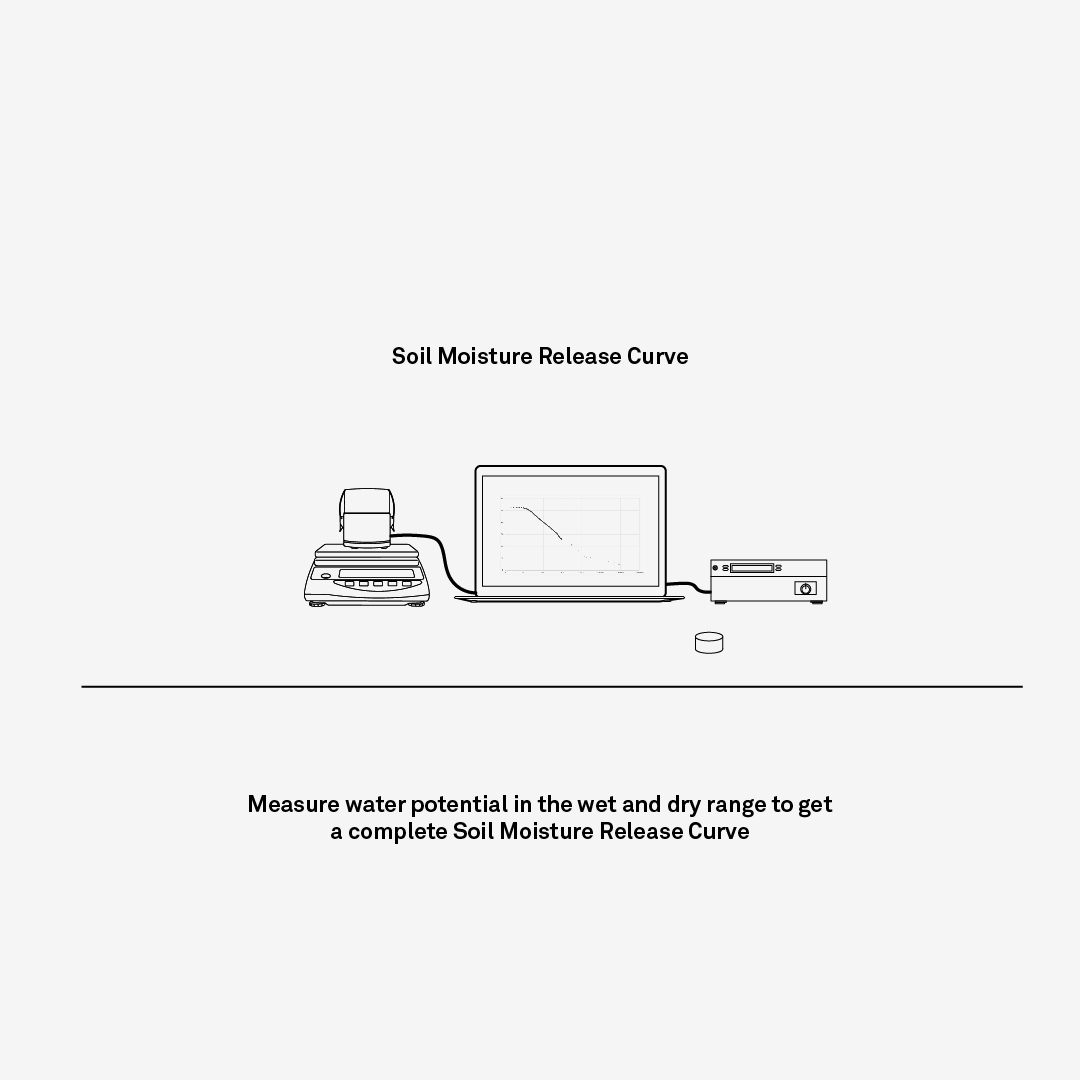
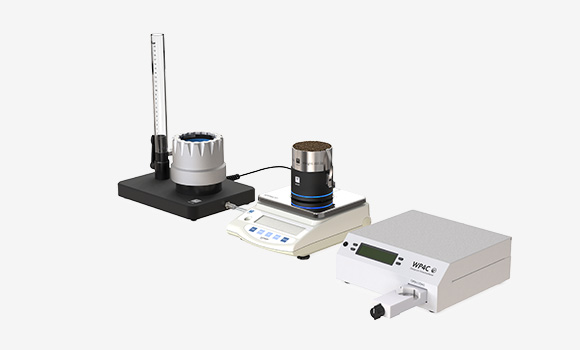
Get a complete soil moisture release curve using VARIOS and WP4C lab instruments and LABROS software
Streamline your soil characterization methods by using the LABROS suite of laboratory instruments and software to perform accurate, automated analyses from a single soil sample
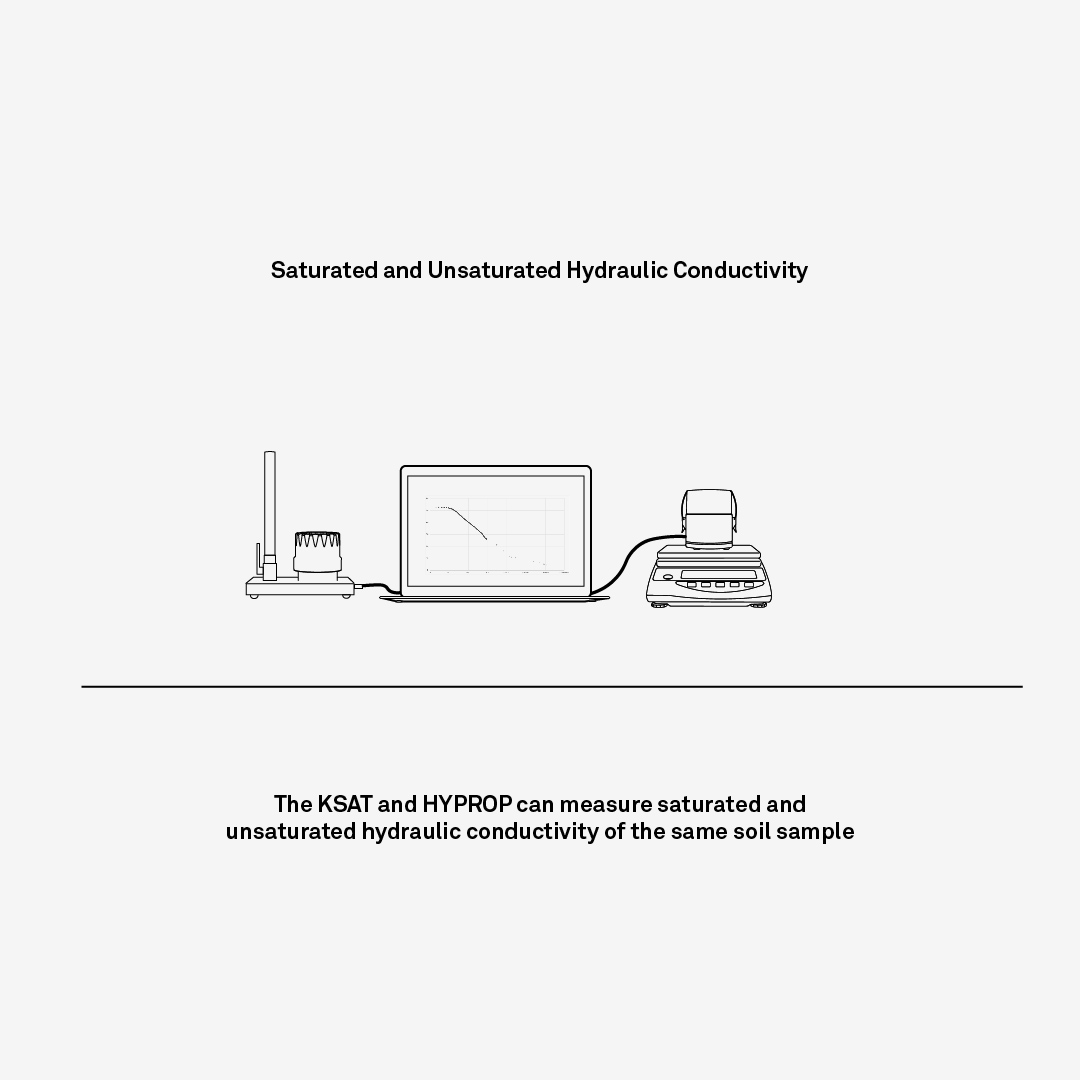
Measure both saturated and unsaturated hydraulic conductivity from a single soil sample using HYPROP and KSAT laboratory instruments

Field Hydraulic Properties

Measure the movement and distribution of water in the soil to inform water management, predict soil behavior under a variety of moisture conditions, measure groundwater recharge, or optimize agricultural practices for efficient water usage. Field instruments like the SATURO set the standard for simple, accurate, and time-efficient data collection.

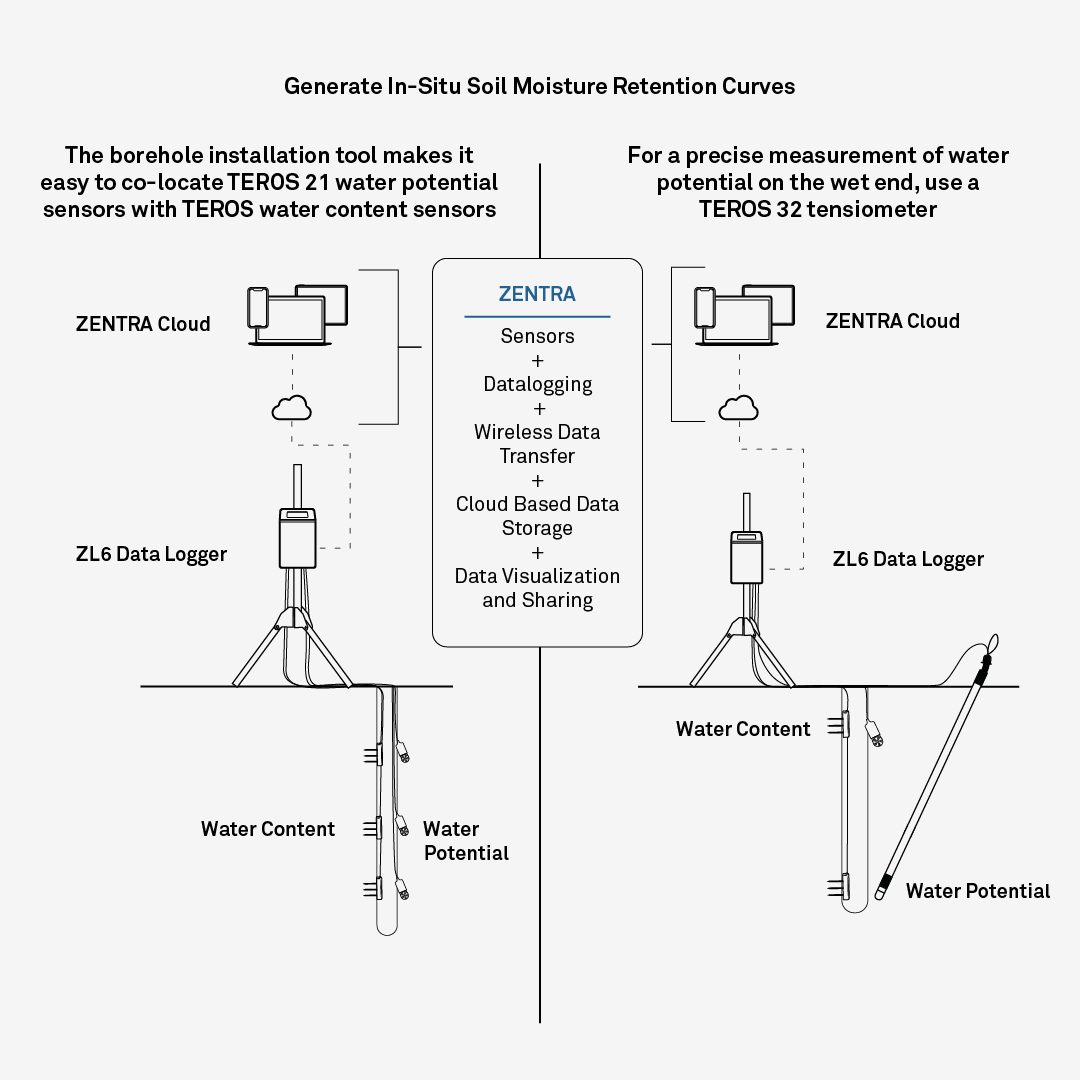
Generate in situ soil moisture retention curves using TEROS water content sensors, water potential sensors, and tensiometers installed at multiple depths
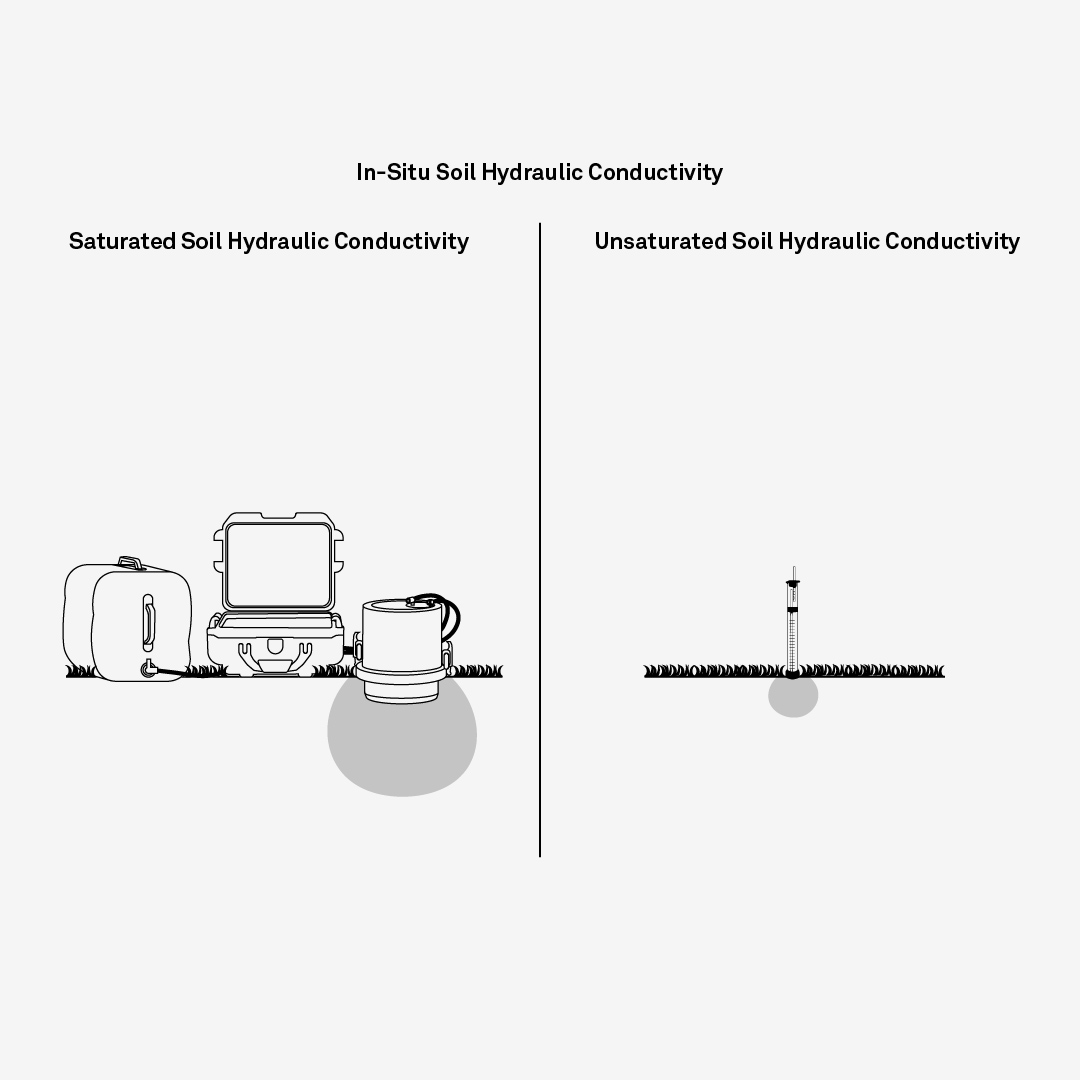
Get accurate, in situ hydraulic conductivity measurements with less water and simpler processes using SATURO and the Mini Disk Infiltrometer

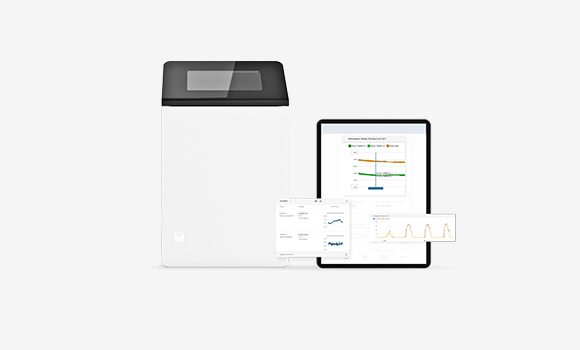
ZL6 Data Logger next to a tablet and several screenshots. the tablet and screenshots show data visualizations from ZENTRA Cloud software

ZENTRA System

Customize your data collection and logging solution by combining multiple METER sensors with the ZL6 Data Logger and ZENTRA Cloud. ZENTRA stores your data in the cloud, allowing easy access to your data and near-real-time reports from all of your data loggers.

Avoid costly field visits by accessing your data from any web-connected device. Analyze it with ZENTRA Cloud’s built-in visualization tools, and easily share insights without tracking down log files on individual computers.

Learn more about ZENTRA

LABROS System

Streamline your laboratory analyses and reduce human error using the innovative LABROS soil science laboratory collection. Perform automated particle size analysis, generate soil moisture release curves, or measure thermal and hydraulic conductivity with METER laboratory instruments designed to produce accurate analyses in a fraction of the time of other methods.

Even better, LABROS instruments can be combined to perform all of these analyses from a single sample, saving time and reducing measurement errors due to variations in sample characteristics.

See LABROS products

LABROS-capable laboratory instruments from METER, including WP4C, KSAT, VARIOS, and PARIO

METER is trusted by
See how scientists, growers, and engineers have used METER solutions in the field.
Episode 33: Combating arsenic in groundwater and rice

Episode 33: Combating arsenic in groundwater and rice

Are biodegradable mulches actually better for the environment?

Are biodegradable mulches actually better for the environment?

Episode 35: The human burden on urban soils

Episode 35: The human burden on urban soils

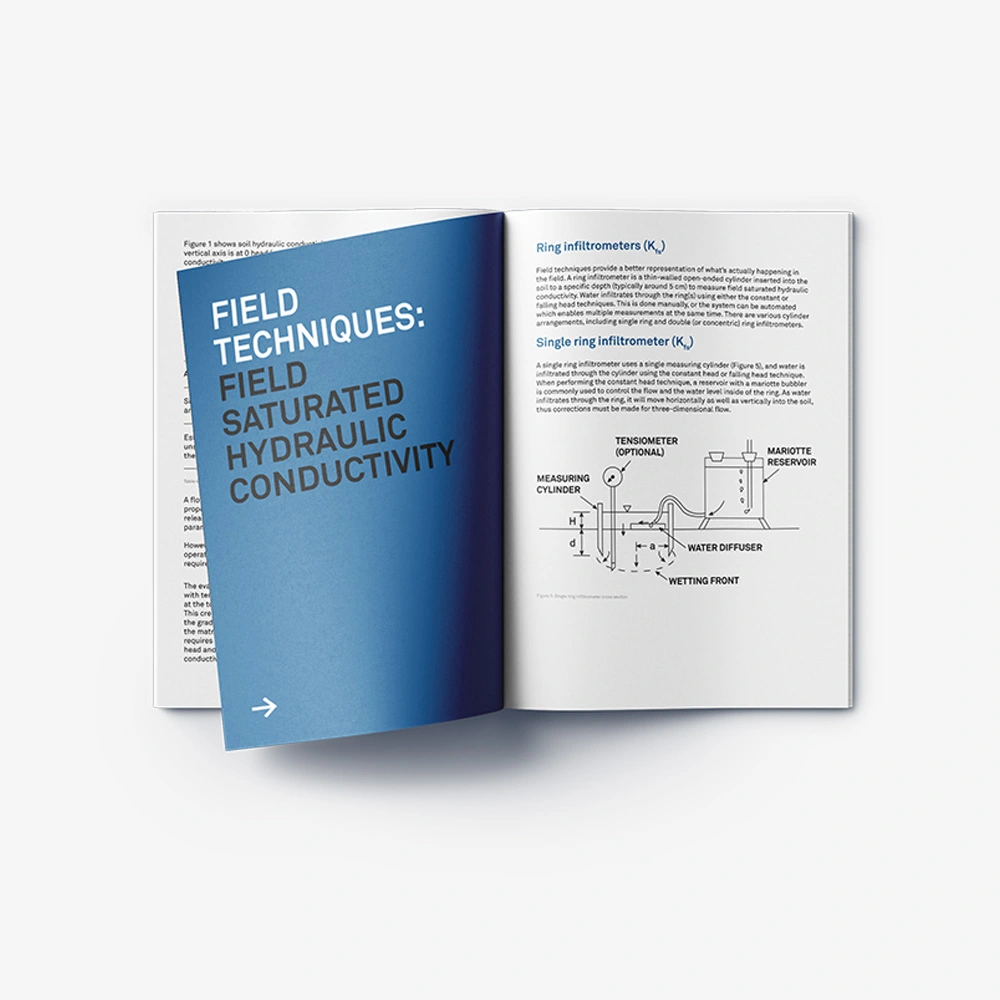
A photo of a METER publication in book form open on a flat surface

Case studies, webinars, and articles you’ll love

Receive the latest content on a regular basis.

icon-angle icon-bars icon-times
Chat