How viticulture succeeds in a semi-arid climate
Verdú lies in a semi-arid region of Spain, where high temperatures and dry air make water the primary limiting factor for growers. For viticulturalists like Joan Boldú, water cycle data are the only way to produce the high quality grapes his family has grown for generations.
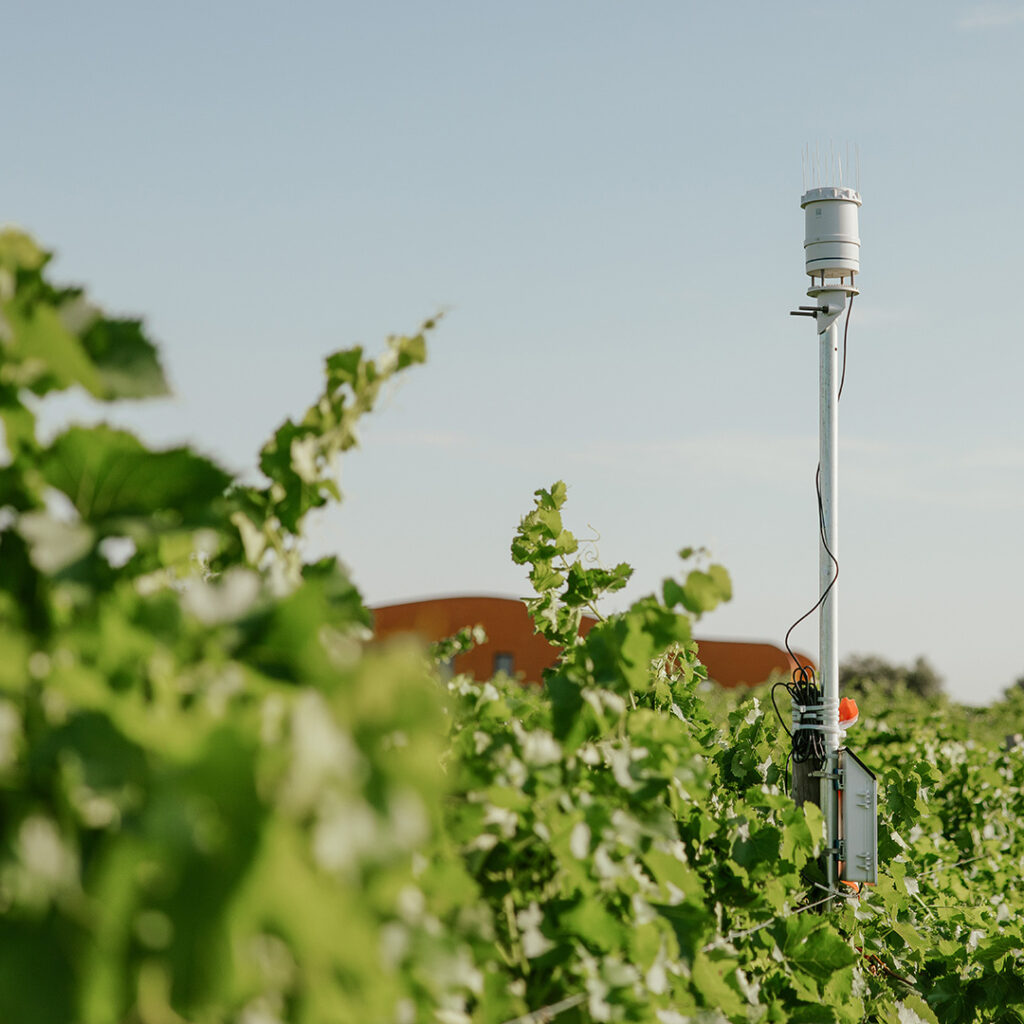
FINDING A WAY IN EXTREME CONDITIONS
Joan Boldú, owner of Boldú Viticultors, battles drier conditions every year, with the last four years being droughts. To optimize yield, growers like Joan strategically manage vine stress throughout the growing season. This requires understanding water movement across the soil-plant-atmosphere continuum and tracking the parameters that matter most, whether soil moisture, soil water potential, or atmospheric conditions. To accomplish this, Boldú Viticultors turned to LabFerrer for help.
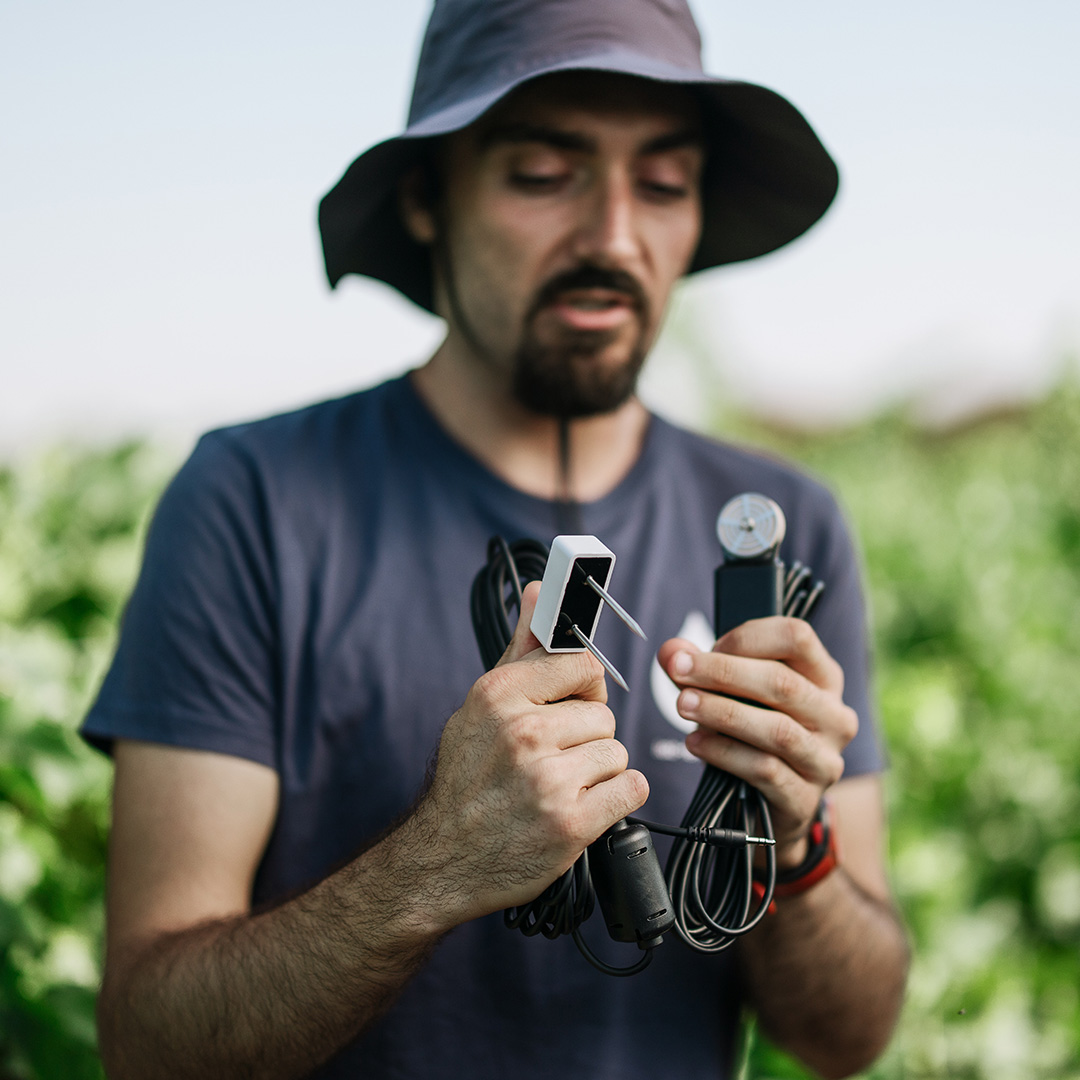
UNDERSTANDING THE PLANT'S ENVIRONMENTAL CONDITIONS
A leader in scientific instrumentation and technical consulting for agriculture and other sectors, LabFerrer equipped the vineyard with an ATMOS 41 weather station to monitor environmental conditions, including temperature, humidity, and solar radiation. Combined with soil data from TEROS 12 (volumetric water content) and TEROS 21 (water potential) sensors, these data provide a picture of vineyard water status, enabling the team to develop irrigation strategies and decision frameworks tailored to each variety and crop. As a result, they can better understand how different vines respond to soil and water management practices and optimize water status at critical stages of the growing season. With this knowledge, LabFerrer helps the farms conduct their own tests because on-field testing addresses their real-world problems.