Groundwater and vadose zone

As a hydrologist, you know gaps in data create gaps in certainty. But deep drainage and solute movement are hard to measure, especially with limited budgets, lab time, or underperforming tools. How much uncertainty could you eliminate if you had continuous, defensible data on water movement through the unsaturated zone instead of snapshots? Whether you're modeling recharge, tracking nutrient leaching, or validating land use impacts, you need insight you can trust and a system that works reliably in the field.

Left Side

What you can’t see can hurt you

If your sensors drift, your readings lag, or your team wastes time on downloads and recalibration, the risk isn’t just bad data. It’s bad outcomes. You can’t afford to skip EC or volume measurements just because they’re difficult or expensive. When your goal is to understand runoff and watershed hydrology through underground soil measurements, a poor instrument choice or incomplete dataset can derail a project with:

Overcomplicated setups that break down in the field

Inaccurate EC data due to drift or inconsistent calibration

High labor costs for manual sampling

Inflexible systems that don’t scale with project size or site complexity

At METER, we’ve worked alongside hydrologists for decades, refining tools to make accurate, reliable environmental measurements without making the process more difficult than it needs to be.
Our research-grade sensors and automated data loggers are engineered for:
High-accuracy EC and water content measurements deep in the soil profile
Long-term reliability in wet or harsh environments
Scalable deployments that let you go from a single transect to a whole watershed
Real-time data access through ZENTRA Cloud, so you don’t have to wait for lab results to spot a trend
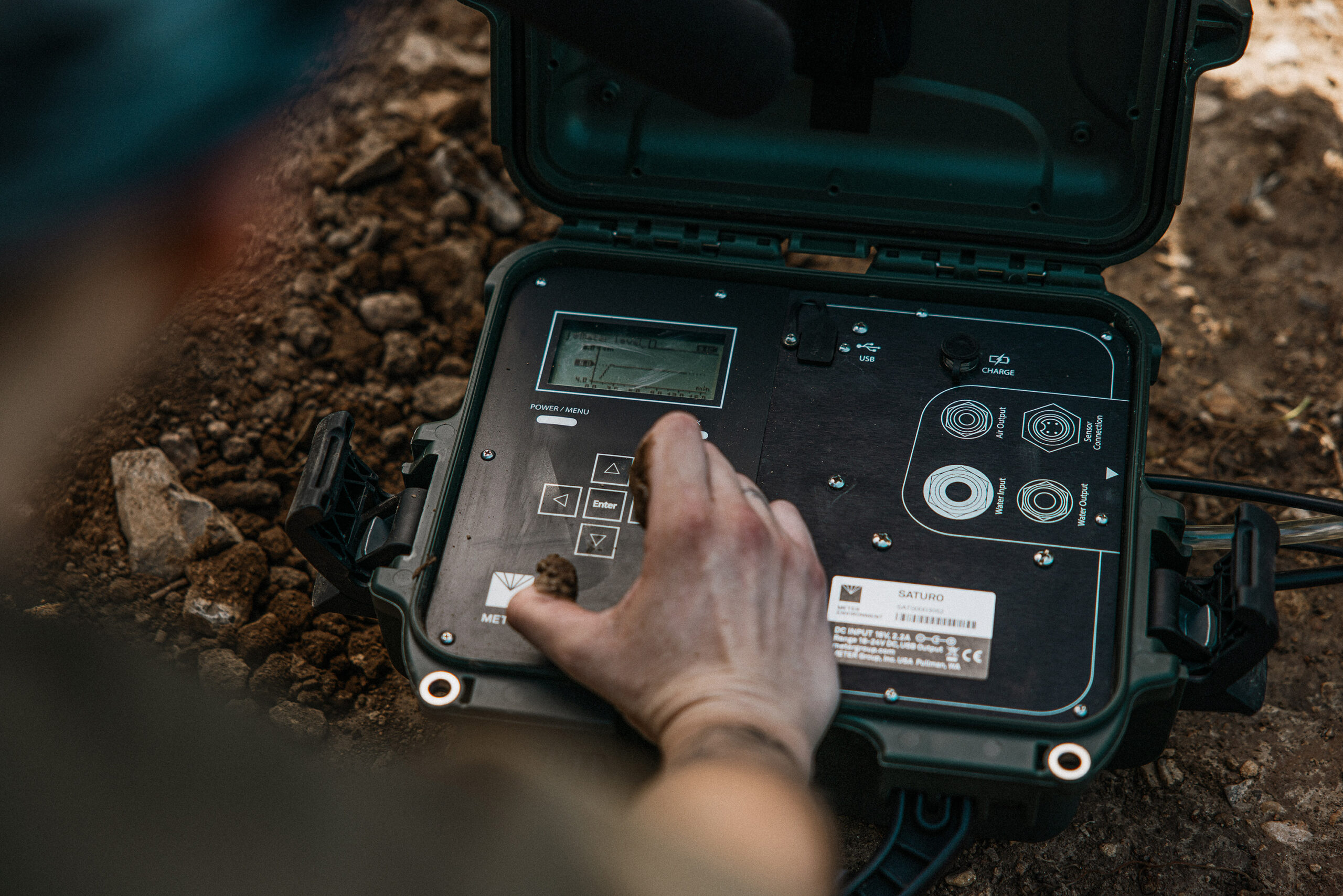
Whether it’s our automated SATURO infiltrometer or TEROS sensors designed for the unsaturated zone, we make it easier to connect what’s happening underground to what it means above ground.
Left Side

Getting started is simple

Choose the right soil sensor or system: we’ll help you match the solution to your soil depth, EC range, and spatial resolution needs.

Install quickly and accurately using our guides or expert support team.

Visualize and share your data through ZENTRA Cloud to drive better decisions and collaboration. And use our open API or download-ready reports to feed models, meet compliance, or publish with confidence.

You’ll get everything you need for deep insights into runoff, drainage, watershed hydrology, and more, without derailing your budget or your time.

A trusted system

built for real-world hydrology

Every season you wait to improve system reliability and scalability is a season where nitrate may leach unnoticed, where a storm might trigger an unmeasured response, or where policy might be based on incomplete understanding.
Your data is complete, high-quality, and consistent.

Your EC readings hold up.

Your monitoring stations just work.
With METER, your fieldwork becomes less about managing equipment and more about interpreting what matters.
You’re not just reporting what’s happening. You’re understanding why and helping others do the same.

“The [METER] water potential and soil moisture sensors yielded data proving LID areas were effective at capturing the water, infiltrating it more slowly, and essentially storing it in the aquifer.”

 – Michelle Newcomer, Research Scienitst | San Francisco State University

Read the story

Groundwater and vadose zone solutions

Without clear data from the vadose zone, your research, compliance work, or predictive modeling can suffer, and so can the ecosystems or communities that rely on it.  Avoid missed drainage, misreported conductivity, and delayed interventions. Explore METER groundwater and vadose zone solutions.

Deep Drainage

Study groundwater recharge, nutrient or contaminant leaching, and the influence of land management practices on water retention and drainage across a larger area with affordable, easy to use instruments.

Accurately measure deep drainage and leaching using a METER Drain Gauge Lysimeter, or add an ATMOS 41 All In One Weather Station and TEROS water content sensors to quantify the water balance at your measurement site

Soil Moisture

Plant growth, microbial activity, nutrient availability and transport, soil erosion, soil compaction, soil respiration, water infiltration and drainage are all dependent on soil moisture. Measure the amount of water, its availability, and predict where it will move with our water content and water potential sensors.

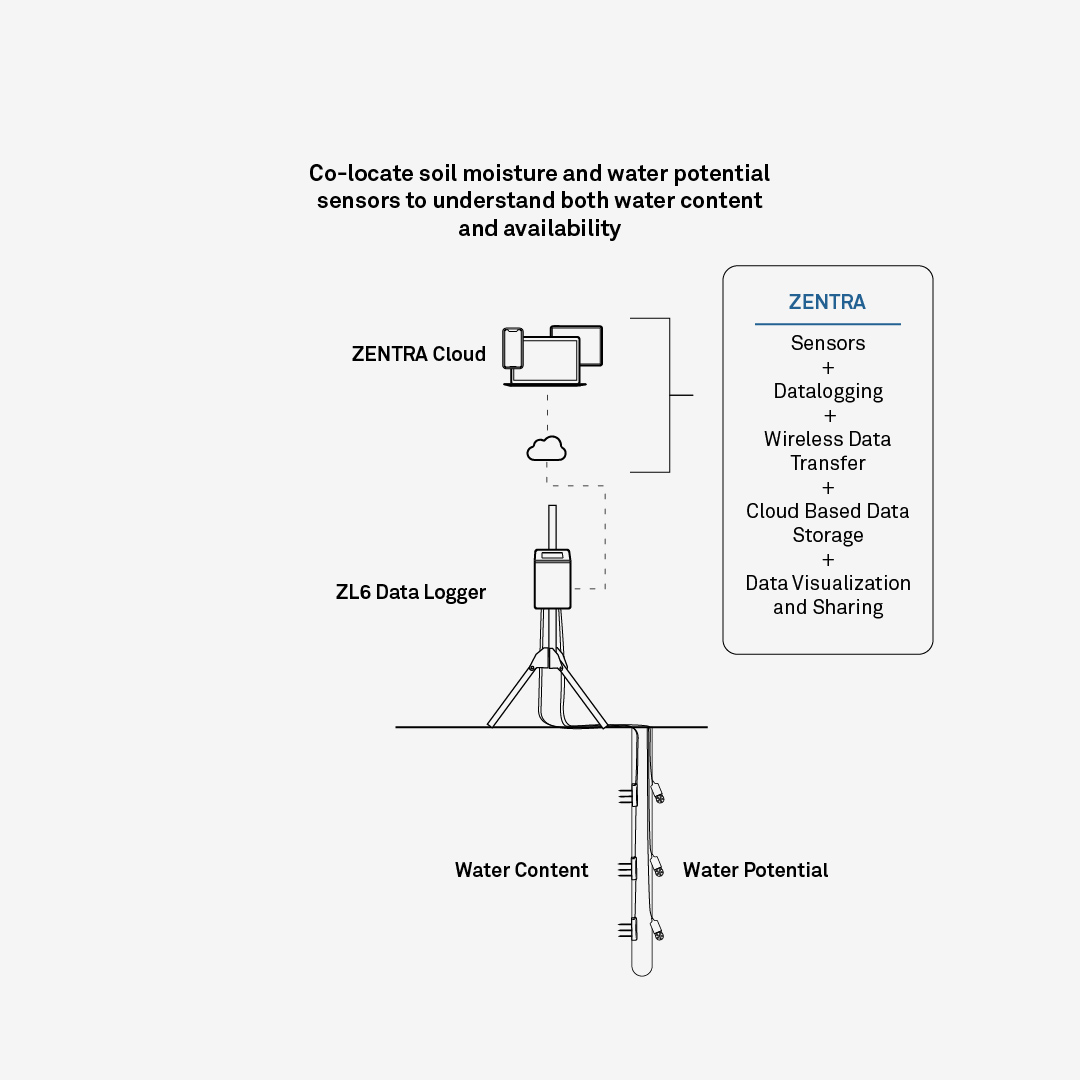
Measure both water content and availability at a single site by installing TEROS water content sensors and TEROS water potential sensors at multiple depths

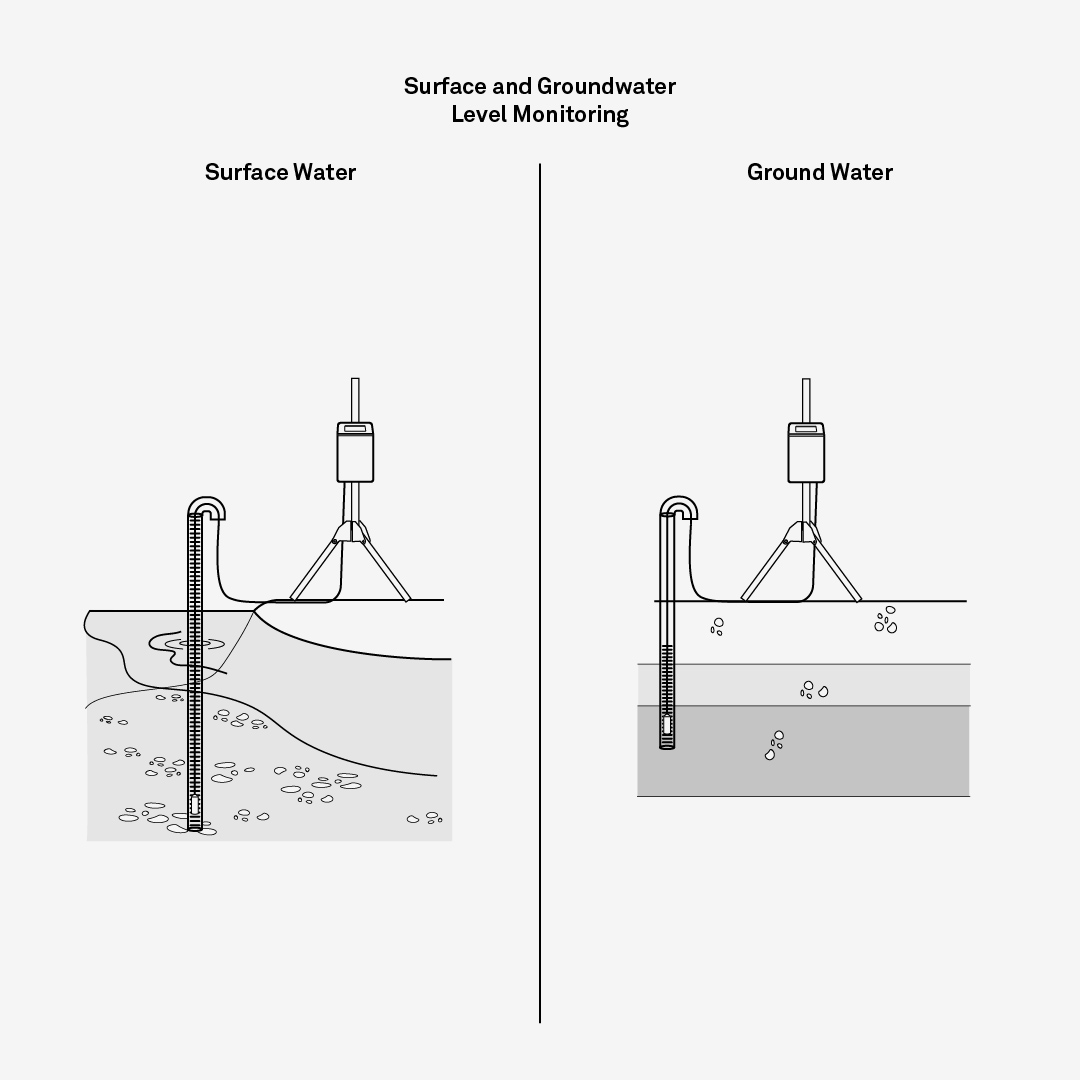
Surface and Ground Water Level Monitoring

Track groundwater recharge, water flows through canals or channels, or solute concentration using all-in-one sensors. Combining these sensors with a remote data logger allows you monitor water quality and levels across a wide area without frequent site visits.

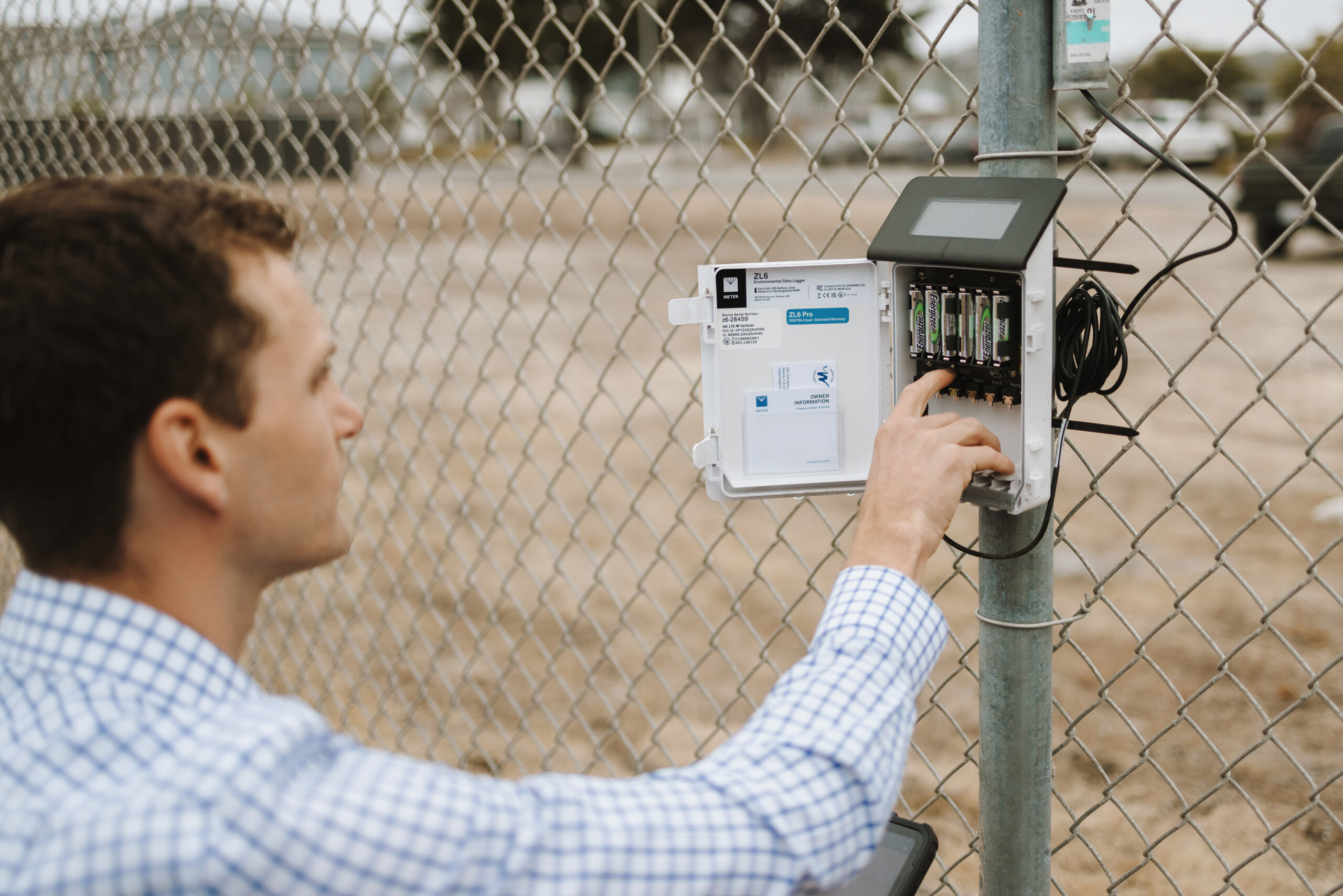
Apply the HYDROS 21 and a cloud connected ZL6 Data Logger to remotely monitor surface and groundwater levels.

Lab Soil Characterization

LABROS is an innovative collection of soil science laboratory instruments, each designed to work individually or as part of a larger, automated system. Conduct Automated Particle Size Analysis and measure Soil Moisture Release Curves, Saturated and Unsaturated Hydraulic Conductivity, Thermal Conductivity from a single sample.

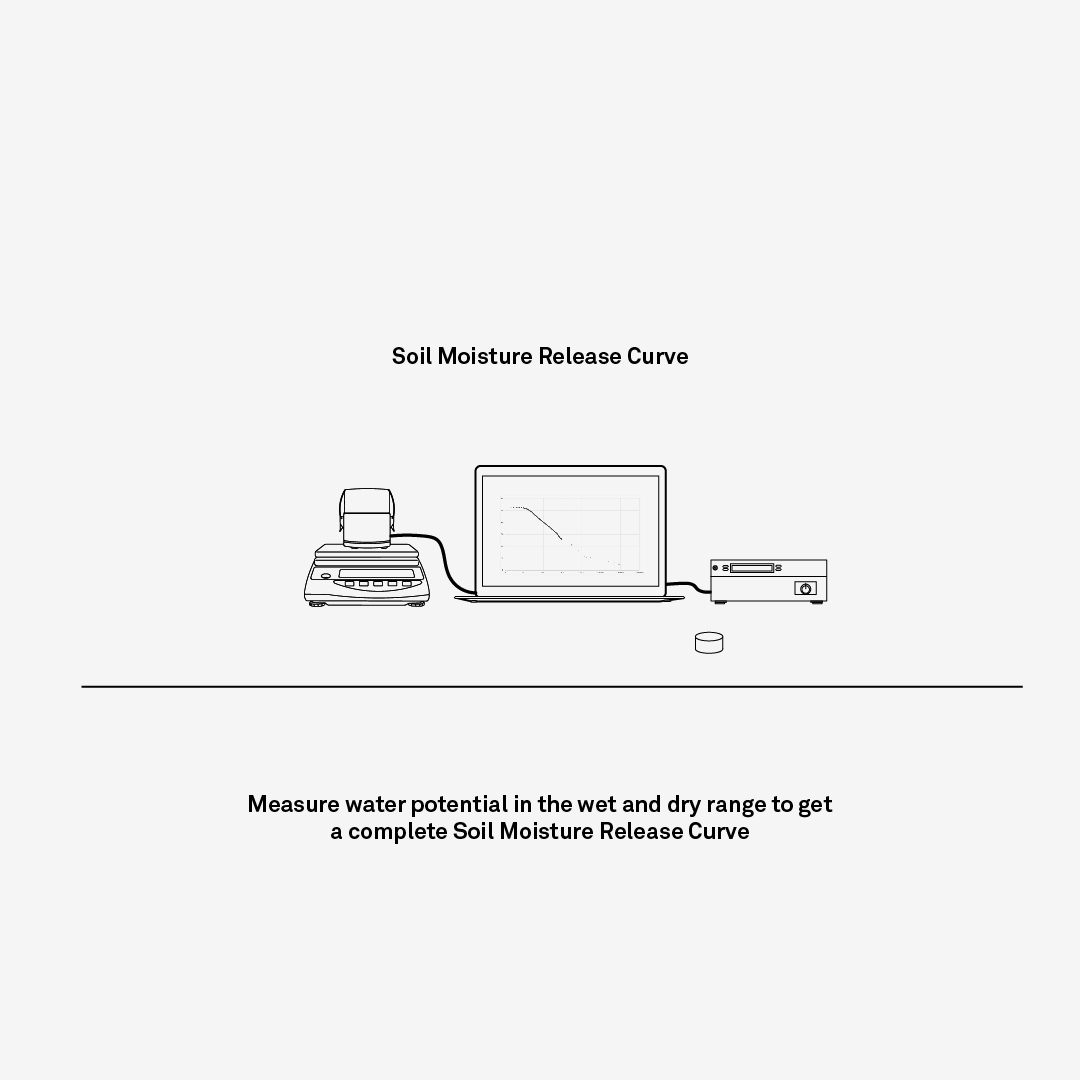
Get a complete soil moisture release curve using VARIOS and WP4C lab instruments and LABROS software
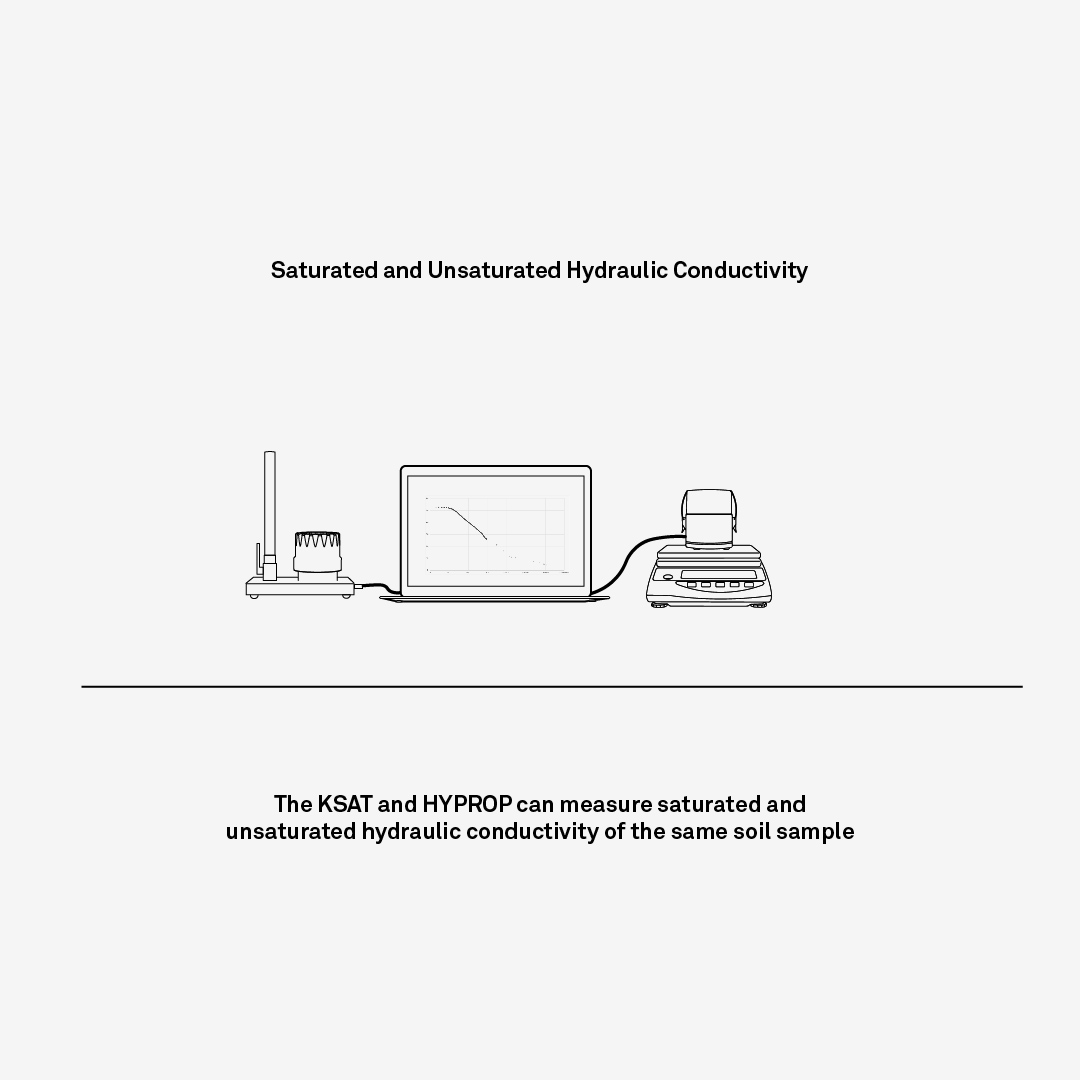
Measure both saturated and unsaturated hydraulic conductivity from a single soil sample using HYPROP and KSAT laboratory instruments
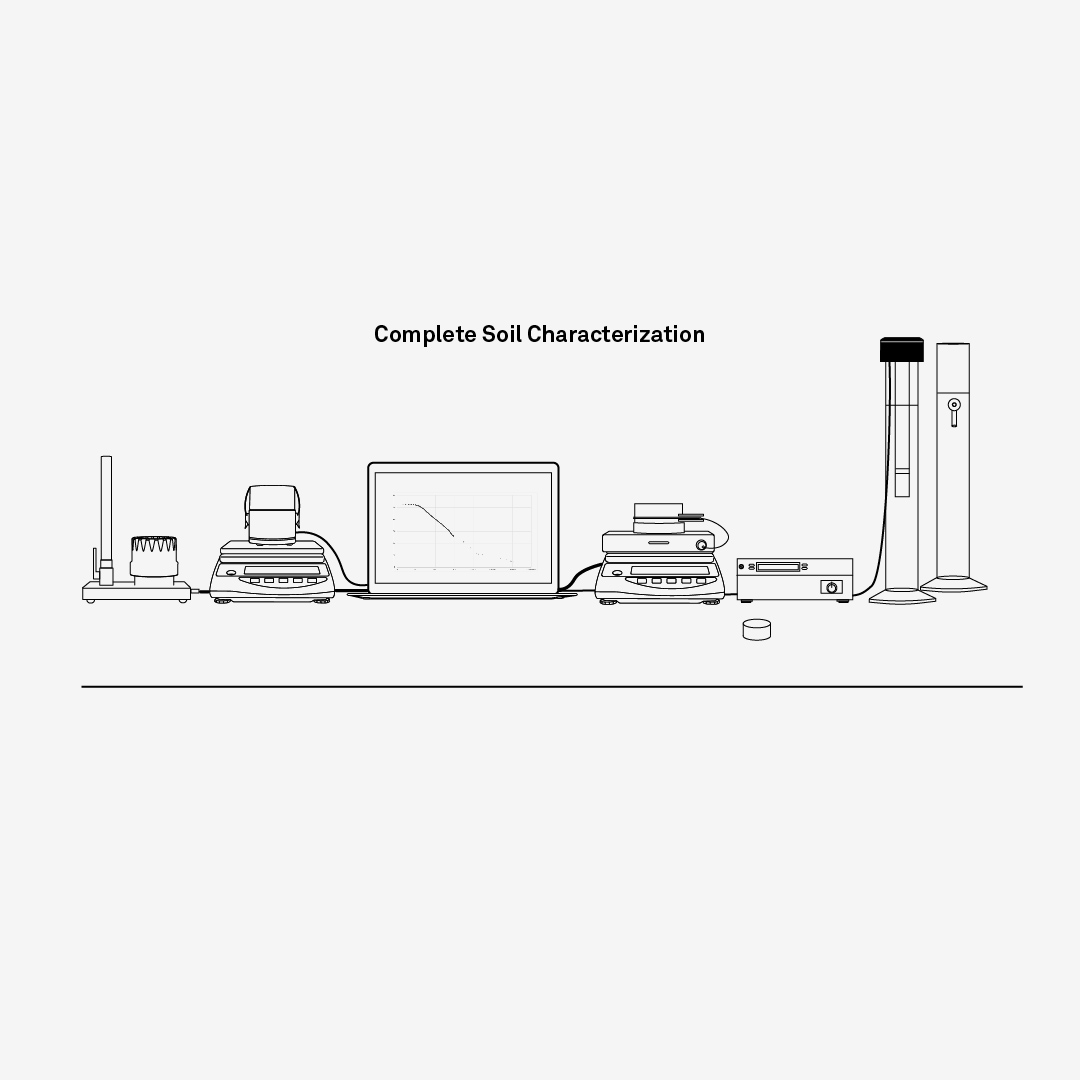
Streamline your soil characterization methods by using the LABROS suite of laboratory instruments and software to perform accurate, automated analyses from a single soil sample

Field Hydraulic Properties

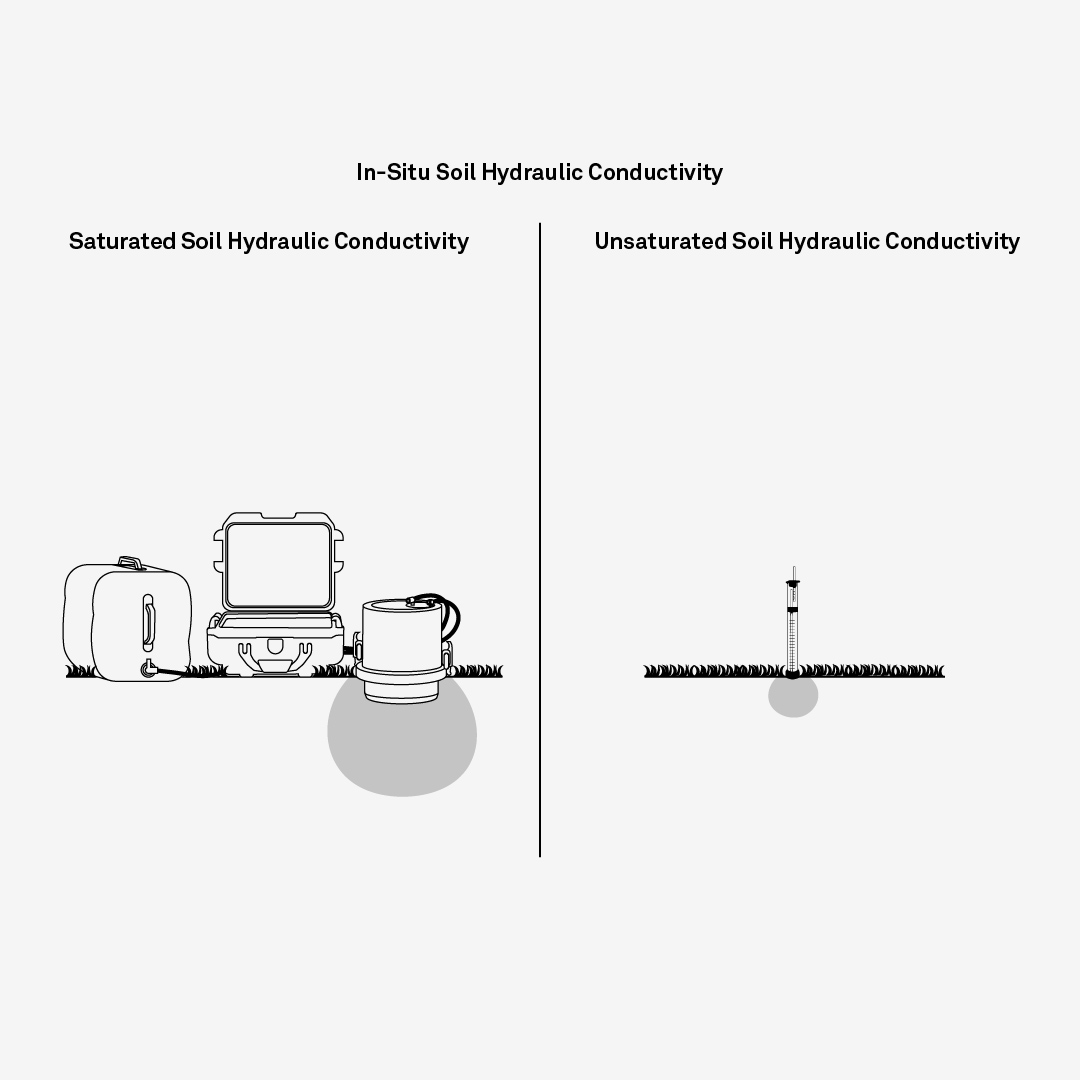
Measure the movement and distribution of water in the soil to inform water management, predict soil behavior under a variety of moisture conditions, measure groundwater recharge, or optimize agricultural practices for efficient water usage. Field instruments like the SATURO set the standard for simple, accurate, and time-efficient data collection.

Get accurate, in situ hydraulic conductivity measurements with less water and simpler processes using SATURO and the Mini Disk Infiltrometer

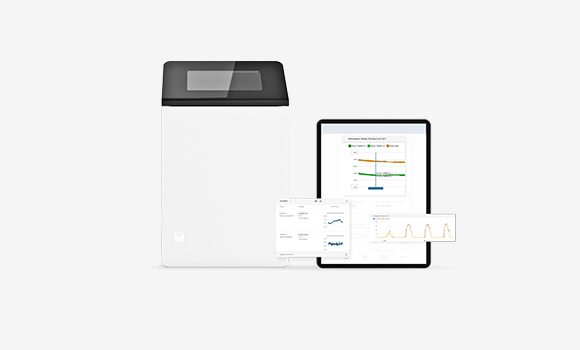
ZL6 Data Logger next to a tablet and several screenshots. the tablet and screenshots show data visualizations from ZENTRA Cloud software

ZENTRA System

Customize your data collection and logging solution by combining multiple METER sensors with the ZL6 Data Logger and ZENTRA Cloud. ZENTRA stores your data in the cloud, allowing easy access to your data and near-real-time reports from all of your data loggers.

Avoid costly field visits by accessing your data from any web-connected device. Analyze it with ZENTRA Cloud’s built-in visualization tools, and easily share insights without tracking down log files on individual computers.

Learn more about ZENTRA

LABROS System

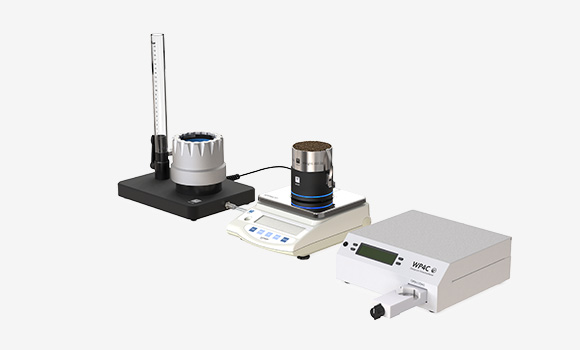
Streamline your laboratory analyses and reduce human error using the innovative LABROS soil science laboratory collection. Perform automated particle size analysis, generate soil moisture release curves, or measure thermal and hydraulic conductivity with METER laboratory instruments designed to produce accurate analyses in a fraction of the time of other methods.

Even better, LABROS instruments can be combined to perform all of these analyses from a single sample, saving time and reducing measurement errors due to variations in sample characteristics.

See LABROS products

LABROS-capable laboratory instruments from METER, including WP4C, KSAT, VARIOS, and PARIO

METER is trusted by
See how scientists, growers, and engineers have used METER solutions in the field.
Irrigation and climate impacts to the water-energy balance of the WI Central Sands

Irrigation and climate impacts to the water-energy balance of the WI Central Sands

Oklahoma switchgrass: How deeper root systems affect groundwater recharge and the water cycle

Oklahoma switchgrass: How deeper root systems affect groundwater recharge and the water cycle

Can wastewater save the United Arab Emirates’ groundwater?

Can wastewater save the United Arab Emirates’ groundwater?

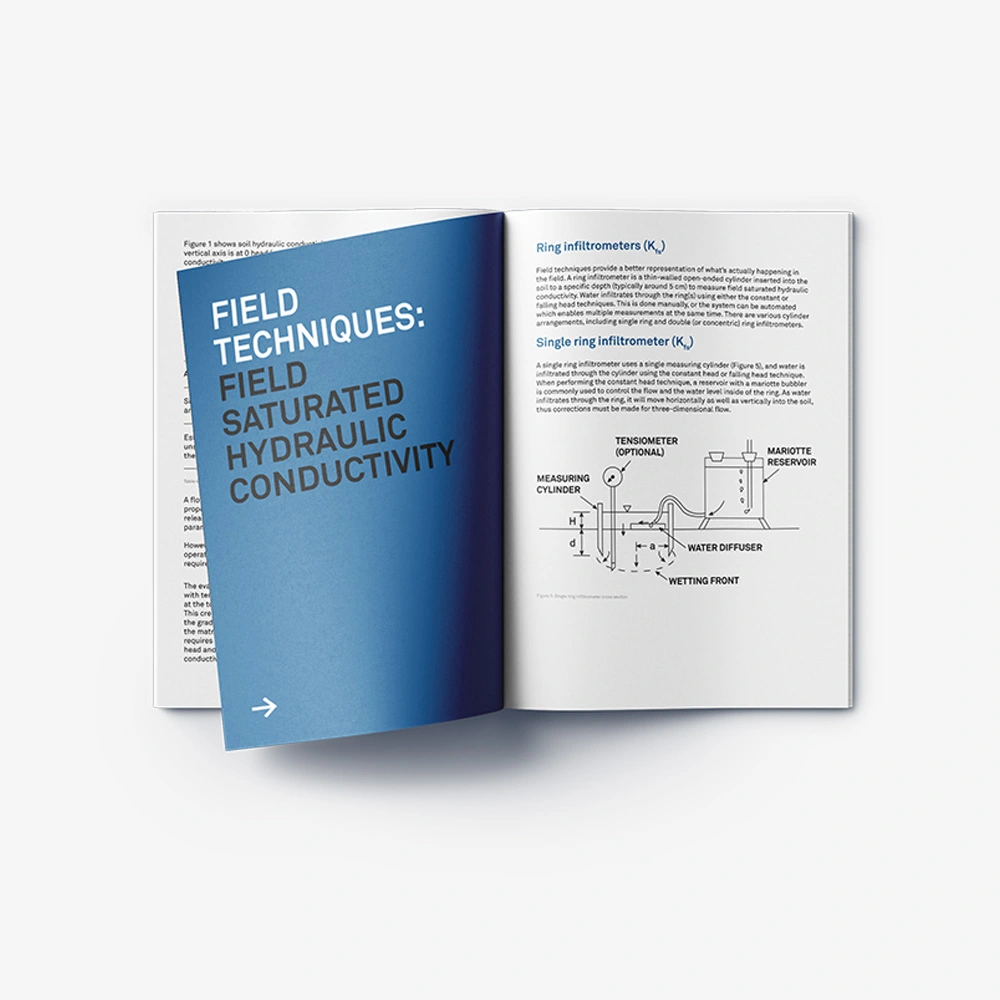
A photo of a METER publication in book form open on a flat surface

Case studies, webinars, and articles you’ll love

Receive the latest content on a regular basis.

icon-angle icon-bars icon-times
Chat