Capim switchgrass de Oklahoma: Como os sistemas radiculares mais profundos afetam a recarga das águas subterrâneas e o ciclo da água
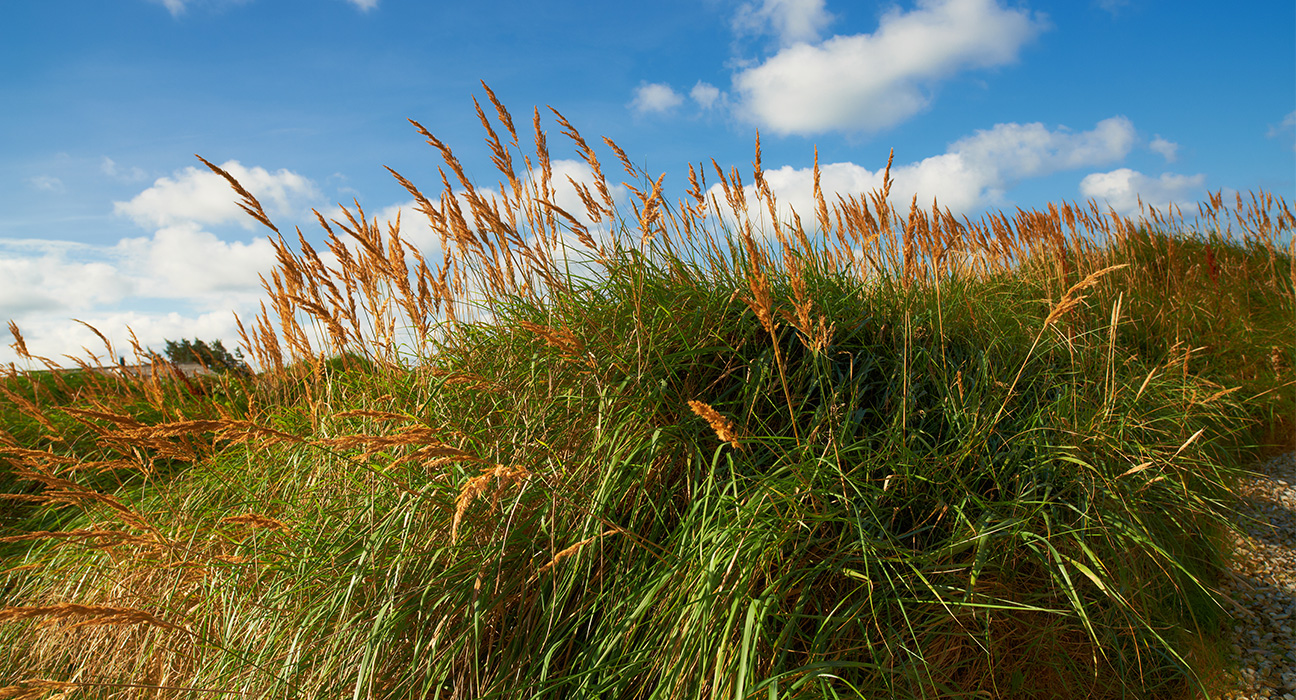
Às vezes, incentivos governamentais são fornecidos para converter terras marginais em switchgrass , mas o pesquisador Michael Wine, da New Mexico Tech, queria investigar se os sistemas radiculares mais profundos do switchgrass afetariam o ciclo da água durante e após o estabelecimento da cultura.
O switchgrass é uma das principais opções para a produção de matéria-prima para bioenergia, mas plantá-lo como uma monocultura pode afetar negativamente as taxas de infiltração. Isso pode representar um problema significativo em áreas que não recebem eventos substanciais de recarga de água subterrânea com frequência. No entanto, quando Wine iniciou sua investigação, ele descobriu que muitos fatores precisavam ser considerados ao determinar o local ideal para a instalação do sensor.
Recargade aquíferos
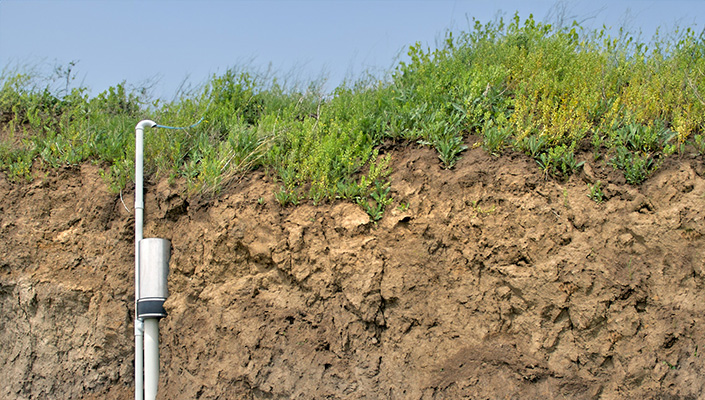
Wine usou os lisímetros da METER G3 para determinar a drenagem profunda sob vegetação natural, trigo e switchgrass, a fim de melhorar nossa compreensão do ciclo de água de base e do orçamento de água associado a uma monocultura de switchgrass em Woodward, Oklahoma. Ele colocou os lisímetros e alguns sensores de umidade do solo da METER no aquífero aluvial do rio Beaver-North Canadian para analisar a recarga, mas enfrentou desafios com a instalação do sensor desde o início.
Considerações sobre o clima
Uma coisa que Wine aprendeu foi que os biocombustíveis não são muito bem-sucedidos em seu local de pesquisa - não havia água suficiente para sustentar a switchgrass.
Ele diz: "A maioria dos lugares aqui pode não ter recarga de precipitação por muitos anos. Mas há locais, como ambientes subúmidos, em que pode haver muita infiltração em um período muito curto". Em retrospectiva, Wine diz que "teria aumentado o uso de dados preliminares para determinar com mais eficiência a frequência dos eventos de recarga".
Uso de dados preliminares para ajudar na instrumentação do local
Wine aprendeu que é importante pensar na constante de tempo de seu sistema ao instalar a instrumentação e que os dados preliminares são cruciais. Ele diz: "Antes da instalação do sensor, fiz um balanço de massa de cloreto que me ajudou a determinar onde eu deveria instalar os lisímetros." Ele estava planejando colocá-los em bacias hidrográficas na USDA-ARS Southern Plains Range Research Station, mas o balanço de massa de cloreto mostrou que não houve nenhum evento de recarga nesse local nos últimos 200 anos. Assim, ele optou por instalar os lisímetros na USDA-ARS Southern Plains Experimental Range, localizada no aquífero aluvial Beaver-North Canadian River, um local com solo mais grosso e maior permeabilidade.
Wine também acha que a modelagem numérica poderia ter sido útil para determinar o posicionamento. "Ao posicionar os instrumentos, a modelagem numérica teria sido de grande ajuda, pois poderíamos prever a probabilidade e a frequência dos eventos de recarga. Portanto, acho que os dados preliminares, a modelagem numérica e os traçadores ambientais podem ajudar em termos de onde colocar esses lisímetros e sensores de umidade do solo."
Proximidade do local de pesquisa
Outro desafio foi o fato de os pesquisadores estarem localizados em Stillwater, Oklahoma, longe do local de pesquisa. O experimento era protegido por cercas, mas depois de longas ausências, Wine frequentemente tinha que consertar os danos causados pelo gado. "Eu realmente preciso reconhecer esses instrumentos que podem ser pisoteados inúmeras vezes por vacas e o compartimento da bateria se enche de água", diz Wine. "Eles só precisavam tirar a poeira, secar, colocar baterias novas e funcionavam muito bem."
Wine acrescenta que os pesquisadores precisam considerar a distância entre o escritório e o local de pesquisa, pois, no caso dele, as vacas teriam sido menos problemáticas se fosse uma viagem de quinze minutos, em vez de três horas em cada sentido. Ele acrescenta: "A escolha de um local de pesquisa próximo teria nos permitido maior flexibilidade em nossos métodos experimentais; por exemplo, com um local próximo, poderíamos ter realizado mais facilmente simulações de chuvas artificiais se um determinado ano fosse muito seco para que ocorressem eventos de recarga natural."
A localização adequada do equipamento faz a diferença
Depois que Wine determinou o posicionamento correto de seus instrumentos, ele finalmente conseguiu obter alguns dados interessantes.
Ele diz: "Há grandes pulsos de recarga concentrada que ocorrem em determinados lugares, e quantificamos um desses pulsos após uma tempestade com um dos lisímetros. Temos cerca de um ano de dados. Como instalamos lisímetros em locais adjacentes de terras altas (recarga difusa) e terras baixas (recarga concentrada), conseguimos observar grandes diferenças entre os fluxos de recarga nesses locais próximos."
O plano de Wine é verificar se ele pode replicar os resultados do experimento lysimeter usando modelagem numérica, porque ele diz: "os dados parecem razoáveis, mas eu gostaria de confirmar as medições devido ao fato de as vacas estarem causando estragos em nosso local". Wine está animado porque esses lisímetros estão produzindo as primeiras medições físicas diretas de recarga difusa e concentrada de água subterrânea no aquífero aluvial do rio Beaver-North Canadian, e ele está otimista de que sua modelagem numérica corresponderá a essa série temporal única de medições físicas diretas de recarga de água subterrânea.
Leia o estudo de Michael Wine em Forest Ecology and Management
Estudos de caso, webinars e artigos que você vai adorar
Receba o conteúdo mais recente regularmente.